
Choosing a mobile carrier in 2026 isn’t just about picking the biggest name anymore—it’s about finding the right balance between price, coverage, speed, and flexibility. Two providers that often come up in comparison are Consumer Cellular and Verizon. While Verizon is known as a premium network giant, Consumer Cellular has built a reputation as an affordable, customer-friendly alternative. But which one truly delivers better value today?
TLDR: Verizon offers the fastest speeds and most robust nationwide coverage, but it comes at a premium price. Consumer Cellular delivers significantly lower monthly costs while operating on top-tier networks, making it ideal for budget-conscious users. If you want top performance regardless of price, Verizon wins. If affordability and simplicity matter more, Consumer Cellular is the smarter pick for many users in 2026.
Understanding the Core Difference
Before diving into price, speed, and coverage details, it’s important to understand how these companies operate.
- Verizon is a major wireless carrier that owns and operates its own nationwide network.
- Consumer Cellular is a Mobile Virtual Network Operator (MVNO) that runs on established networks (primarily AT&T and sometimes T-Mobile infrastructure depending on region).
This distinction impacts everything from pricing structures to data speeds during network congestion.
Price Comparison: Which Is More Affordable?
For many consumers, price is the deciding factor—and this is where Consumer Cellular clearly stands out.
Consumer Cellular Pricing (2026)
- Plans typically start around $20–$25 per month for basic talk and text.
- Unlimited data plans generally range from $35–$50 per month.
- No long-term contracts.
- Discounts for AARP members.
Consumer Cellular specializes in simple plans, predictable billing, and no surprise add-ons. Taxes and fees are often lower compared to premium carriers.
Verizon Pricing (2026)
- Unlimited plans usually start around $65–$75 per month per line before discounts.
- Premium tiers go above $90 per month for the fastest data and added perks.
- Bundle options include streaming services and device promotions.
While Verizon’s plans include extras like hotspot data and streaming perks, the base price is significantly higher.
Price Verdict
If your main goal is saving money, Consumer Cellular wins without question. Verizon costs more but tries to justify it with performance and bundled features.
Coverage: Who Has the Broader Reach?
Coverage determines whether your phone actually works when you need it.
Verizon Coverage Strength
Verizon has historically been known for:
- Exceptional rural coverage
- Strong reliability in remote areas
- Extensive 5G Ultra Wideband footprint in cities
In 2026, Verizon continues to dominate in rural America, especially in western states and less populated regions.
Consumer Cellular Coverage
Because Consumer Cellular operates on major carrier networks (primarily AT&T infrastructure in most cases), its coverage is:
- Strong in urban and suburban areas
- Reliable in most populated regions
- Potentially weaker in extremely remote areas compared to Verizon
The key caveat is network priority. During congestion, MVNO users may experience slower speeds than customers directly subscribed to the parent carrier.

Coverage Verdict
If you live in a rural area or travel frequently off the beaten path, Verizon offers more consistent nationwide reliability. For most city and suburban residents, Consumer Cellular’s coverage is more than sufficient.
Speed and Performance: 5G in 2026
Speed differences are where premium carriers often justify their higher pricing.
Verizon Speeds
Verizon’s 5G Ultra Wideband delivers:
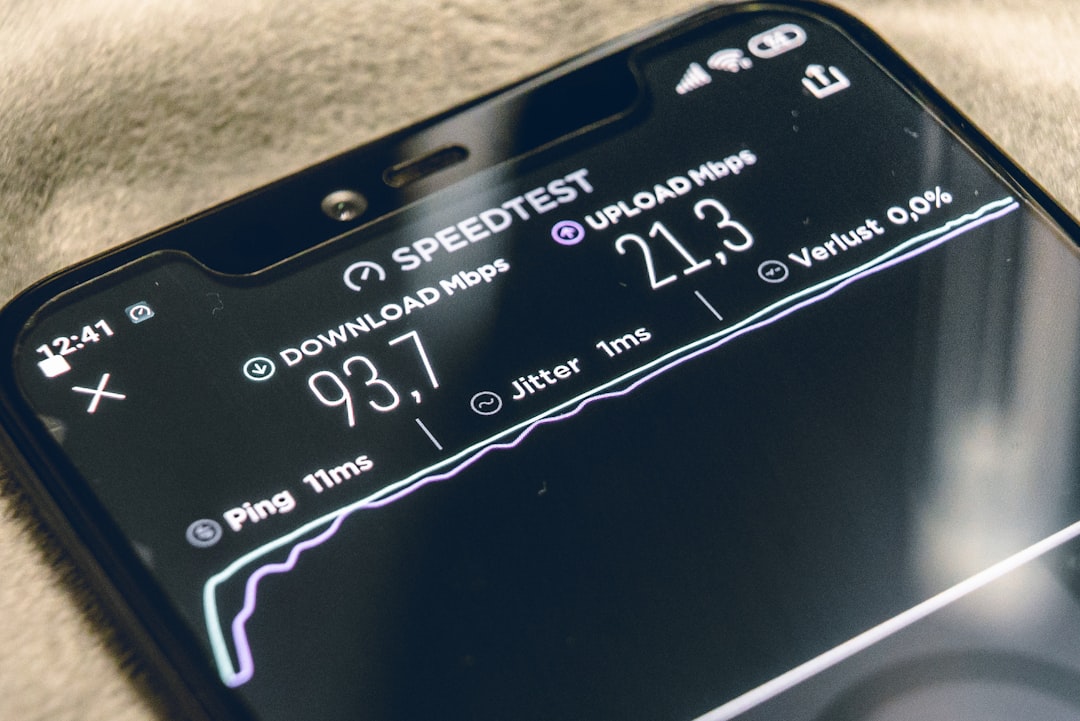
- Download speeds often exceeding 1 Gbps in select metro areas
- Low latency for gaming and streaming
- Reliable high-speed performance during peak hours (on premium plans)
Verizon prioritizes its direct customers, meaning those paying for premium tiers get top network access.
Consumer Cellular Speeds
Consumer Cellular users can access 5G, but:
- Speeds may be deprioritized during congestion.
- Ultra-high-speed tiers may not match Verizon’s premium performance.
- Streaming and browsing remain smooth for the average user.
For everyday activities like social media, GPS, Netflix, and video calls, most customers won’t notice a major difference.
Speed Verdict
If you are a heavy data user, gamer, or remote worker requiring ultra-fast downloads, Verizon has the edge. For moderate users, Consumer Cellular provides perfectly adequate performance at a fraction of the cost.
Customer Service and Ease of Use
Consumer Cellular
Consumer Cellular consistently ranks high for customer satisfaction, particularly among older adults. Benefits include:
- U.S.-based customer support
- Simple billing
- No aggressive upselling
It has built a strong reputation for being easy to understand and easy to manage.
Verizon
Verizon offers extensive support channels, including:
- Retail stores nationwide
- 24/7 online and phone support
- Comprehensive app management tools
However, some users report longer wait times and more complex billing structures.
Phone Selection and Device Deals
Verizon Advantages
- Early access to flagship phone releases
- Generous trade-in promotions
- Device financing options over 24–36 months
Consumer Cellular Approach
- Smaller but practical phone lineup
- Focus on affordability and simplicity
- Bring-your-own-device compatibility
If you love upgrading to the newest flagship phone every year, Verizon provides more incentives. If you’re comfortable keeping your phone for several years, Consumer Cellular keeps things simple.
At-a-Glance Comparison Chart (2026)
| Category | Consumer Cellular | Verizon |
|---|---|---|
| Starting Price | $20–$25/month | $65+/month |
| Unlimited Plan Cost | $35–$50/month | $75–$90/month |
| Nationwide Coverage | Strong (via AT&T network) | Excellent, especially rural |
| 5G Speeds | Good, may be deprioritized | Industry-leading on premium tiers |
| Contracts | No | No annual contract, device commitments |
| Best For | Budget-conscious users | Heavy data and rural users |
Who Should Choose Consumer Cellular?
Consumer Cellular is best for:
- Retirees or light data users
- Families looking to cut monthly expenses
- People who value simple billing
- Users who primarily stay in urban or suburban areas
For these groups, paying Verizon’s premium often isn’t necessary.
Who Should Choose Verizon?
Verizon is ideal for:
- Frequent rural travelers
- Business professionals who depend on reliable high-speed data
- Gamers and heavy streamers
- Tech enthusiasts wanting flagship perks
If connectivity is mission-critical, Verizon’s higher price may be justified.
Final Verdict: Which Is Better in 2026?
The answer depends entirely on your priorities.
If you want the absolute best coverage and fastest speeds available, Verizon remains one of the strongest carriers in the country. Its network reliability—especially in remote areas—continues to outperform many competitors.
However, if you want serious monthly savings without sacrificing essential performance, Consumer Cellular offers tremendous value. For the average smartphone user in a metropolitan or suburban area, the day-to-day experience will feel remarkably similar—at nearly half the price.
In 2026, the real question isn’t which carrier is “better.” It’s whether you prioritize premium performance or practical savings. Choose the one that aligns with how—and where—you actually use your phone.
