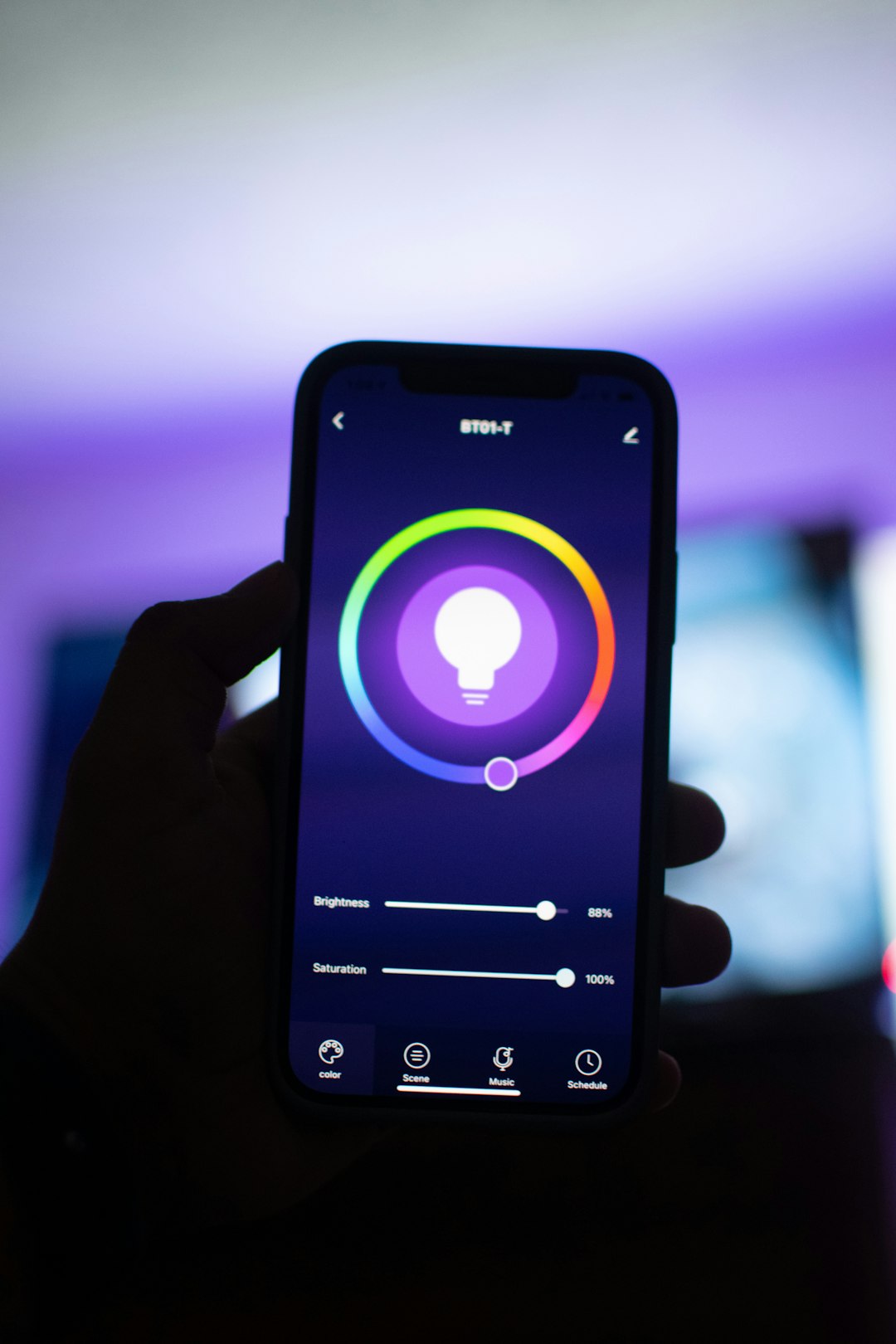
As energy costs rise and sustainability becomes a higher priority for households, understanding exactly how and where electricity is being used has never been more important. Home energy monitoring tools provide clear, actionable insights that help homeowners reduce waste, lower monthly bills, and shrink their carbon footprint. From real-time dashboards to appliance-level tracking, these tools turn complex energy data into meaningful information.
TLDR: Home energy monitoring tools give you real-time insights into how your household consumes power, helping you cut costs and improve efficiency. Options range from whole-home monitors to smart plugs and utility-based apps. The right tool can uncover energy-hog appliances, optimize daily usage, and support greener living. Choosing the best solution depends on your home setup, budget, and energy goals.
Below are six of the most effective home energy monitoring tools that provide detailed usage insights and empower smarter energy decisions.
1. Whole-Home Energy Monitors
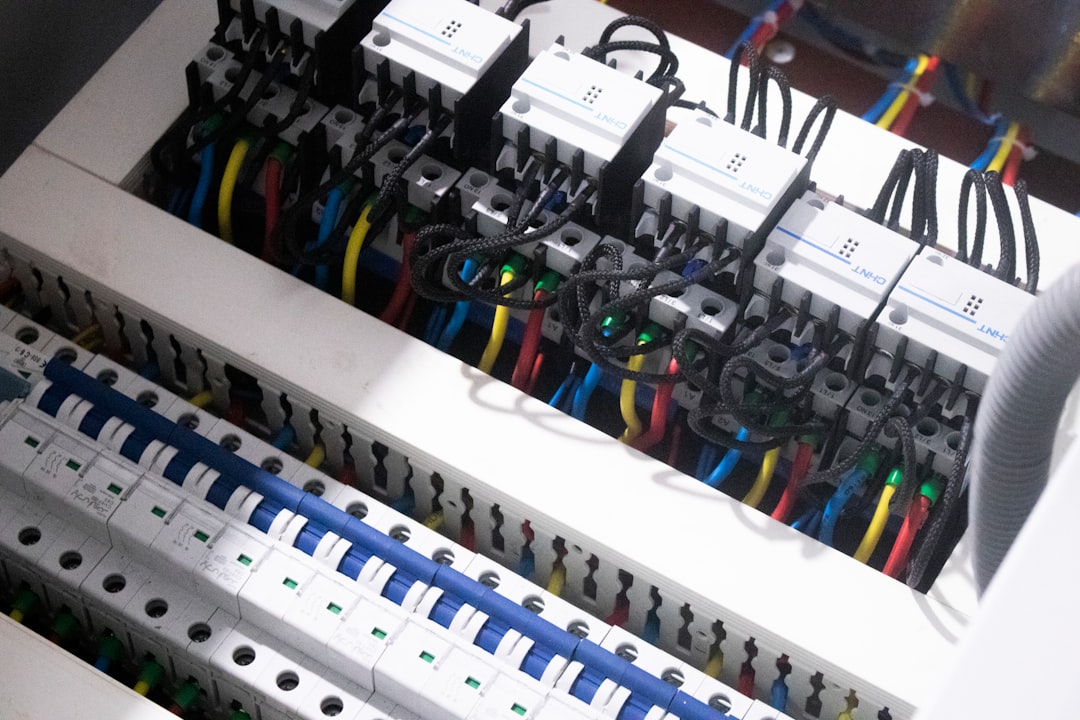
Whole-home energy monitors are installed directly into your electrical panel and track the total electricity consumption of your house in real time. These systems offer a comprehensive overview of how much power your household uses throughout the day.
How they work: Sensors clamp around your home’s main power cables and send data to a companion app. Advanced models even use machine learning to identify specific appliances based on their electrical signatures.
Key features include:
- Real-time energy tracking
- Historical usage comparisons
- Appliance detection technology
- Billing cycle breakdowns
- Custom alerts for unusual spikes
Why it’s valuable: These monitors provide “big picture” insights and often reveal hidden costs. For example, you may discover your heating system runs longer than expected or that standby electronics add up more than assumed.
Whole-home monitors are ideal for homeowners who want comprehensive data and are comfortable with a professional installation if required.
2. Smart Plugs with Energy Monitoring
Smart plugs are one of the most accessible and budget-friendly ways to start monitoring energy usage. These devices plug into a standard outlet, and then your appliance plugs into the smart plug.
What they track:
- Real-time power draw (watts)
- Total consumption over time (kWh)
- Estimated operating costs
Using a mobile app, you can see how much electricity a specific device—like a space heater, coffee maker, or television—uses during the day or month.
Best for: Identifying high-consumption appliances and gaining detailed, room-by-room insights without complex installation.
One of the biggest advantages is control. Many smart plugs allow you to schedule shutdown times or remotely turn devices off, eliminating “phantom” or standby usage.
3. Smart Thermostats with Energy Reports
Heating and cooling systems typically make up the largest share of a home’s energy costs. Smart thermostats do more than simply adjust temperatures—they provide detailed energy reports and suggest behavioral changes to improve efficiency.
Advanced capabilities include:
- Weekly and monthly usage summaries
- Peak usage comparisons
- Efficiency scoring
- Weather-adjusted insights
- Automated schedule optimization

Some models even notify you when your system is running longer than usual, which may indicate insulation issues or maintenance needs.
Long-term benefit: Smart thermostats not only monitor but actively reduce usage through automation. Learning algorithms adapt to your habits, ensuring energy isn’t wasted heating or cooling an empty house.
For many households, this single upgrade produces noticeable savings within the first year.
4. Utility Company Energy Monitoring Apps
Many energy providers now offer built-in monitoring platforms through their websites or mobile apps. While less granular than third-party hardware tools, these platforms still deliver useful insights.
Typical features include:
- Daily or hourly consumption data
- Cost breakdown by billing cycle
- Peak usage alerts
- Projected monthly bills
- Neighborhood usage comparisons
These apps often highlight trends, such as unusually high usage days or seasonal spikes. Some also include personalized savings tips based on your consumption patterns.
Why consider it: There’s no additional hardware to purchase or install. If you’re just beginning to explore energy insights, this is a convenient starting point.
However, keep in mind that these tools generally do not identify specific appliances—only total home consumption.
5. Circuit-Level Monitoring Systems
Circuit-level monitors take energy tracking a step further by measuring power usage on individual circuits in your breaker panel. Instead of estimating which device is responsible for spikes, these systems pinpoint the exact line—such as kitchen outlets, HVAC, or garage tools.
What sets them apart:
- Detailed per-circuit data
- Accurate load distribution tracking
- Enhanced safety monitoring
- Ideal for larger homes or complex setups
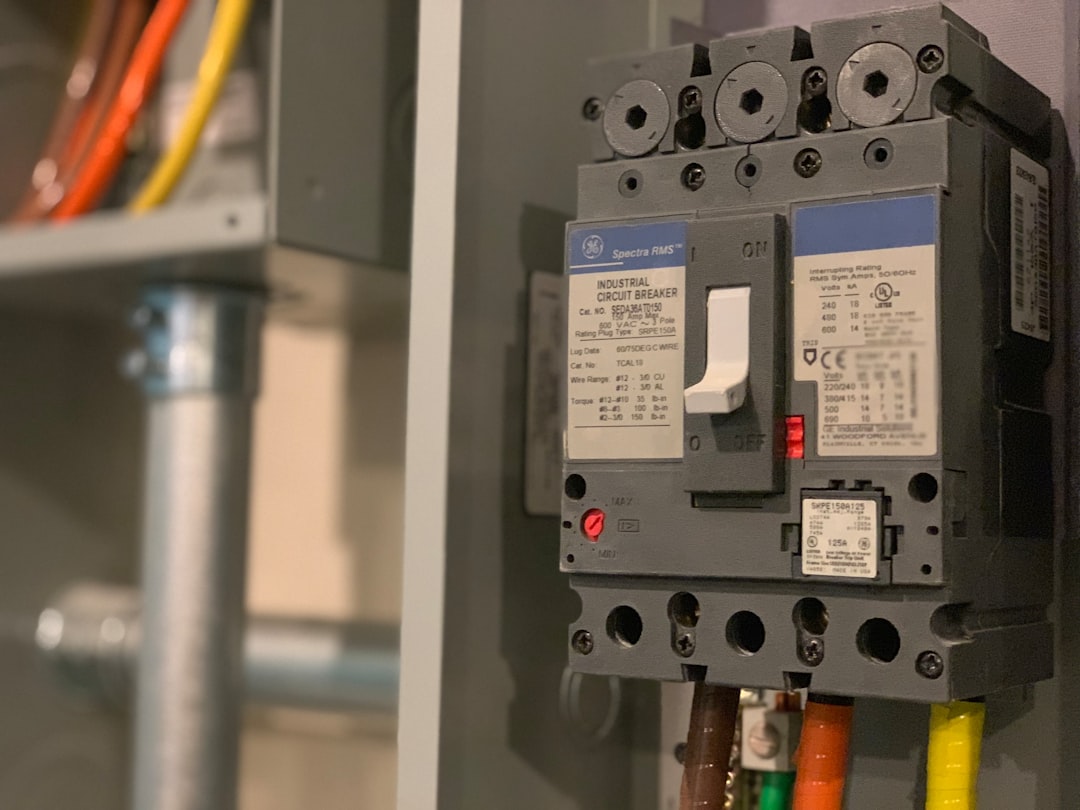
These are particularly beneficial in homes with workshops, electric vehicle chargers, or multiple air conditioning units. By isolating circuits, homeowners can see precisely which areas of the house consume the most electricity.
Additional advantage: Circuit-level data can help identify overloaded lines or abnormal consumption patterns that may signal wiring issues.
Although installation can be more involved, the insights are often unmatched in precision.
6. Solar Monitoring Systems
If your home has solar panels, you likely already have some level of energy monitoring. Solar monitoring platforms track both electricity production and household consumption, creating a full picture of energy flow.
Insightful metrics include:
- Real-time solar production
- Energy exported to the grid
- Total household consumption
- Battery storage levels (if applicable)
- Environmental impact statistics
These tools help homeowners optimize when they use major appliances—such as running dishwashers during peak sunlight hours to maximize solar energy usage.
Why it matters: Without monitoring, you might not notice if a solar panel underperforms or if your home draws more grid energy than expected. Monitoring ensures you get the maximum return on your renewable investment.
How to Choose the Right Energy Monitoring Tool
With so many options available, selecting the best system depends on your goals and home configuration. Consider the following factors:
- Level of detail required: Do you want whole-home data or appliance-specific insights?
- Installation complexity: Are you comfortable accessing your electrical panel?
- Budget: Costs range from inexpensive smart plugs to advanced panel monitors.
- Smart home integration: Ensure compatibility with your existing ecosystem.
- Long-term goals: Are you reducing bills, preparing for solar, or optimizing EV charging?
Tip: Many homeowners start small with smart plugs or utility apps and later upgrade to whole-home systems once they understand their energy patterns.
The Bigger Picture: Turning Data into Savings
Monitoring alone doesn’t reduce your electricity bill—action does. The real value of these tools lies in the behavior changes they inspire.
Common discoveries include:
- Old refrigerators consuming twice the expected power
- Electric heaters running overnight unnecessarily
- Standby electronics quietly drawing continuous power
- Irrigation pumps operating during peak rate hours
By identifying these inefficiencies, homeowners can:
- Shift usage to off-peak hours
- Upgrade inefficient appliances
- Improve insulation and sealing
- Adjust thermostat schedules
- Create informed energy budgets
Over time, even small adjustments compound into significant annual savings. Additionally, reducing household waste contributes to broader environmental sustainability efforts.
Final Thoughts
Home energy monitoring tools have evolved from niche gadgets into powerful household management systems. Whether you opt for a simple smart plug or a comprehensive panel-mounted monitor, the insights gained can transform how you interact with your home’s energy use.
By understanding when and where electricity is consumed, you move from guesswork to precision. The result is lower monthly bills, improved system performance, and greater control over your environmental impact. With the right monitoring solution, energy efficiency becomes clear, measurable, and achievable.
