Remote work has evolved from an emergency response into a permanent operating model for many organizations. As companies support distributed teams, they are realizing that flexible work succeeds only when it is paired with smarter management solutions that improve communication, accountability, productivity, and employee experience.
TLDR: Businesses are improving remote work by using smarter tools and management practices that make collaboration easier, performance clearer, and employee support more consistent. Instead of relying only on meetings and manual check-ins, companies are adopting systems for project tracking, workflow automation, communication, cybersecurity, and workforce analytics. The most successful organizations are combining technology with clear expectations, trust-based leadership, and a stronger focus on employee well-being.
Remote Work Is Becoming More Structured
In the early stages of remote work, many businesses depended on temporary fixes. Teams used scattered messaging apps, long video calls, email threads, and manual spreadsheets to stay organized. While these methods helped companies remain operational, they often created confusion, duplicated work, and increased stress.
Today, businesses are moving toward a more structured approach. They are investing in centralized management platforms, clearer workflows, and better communication standards. This shift is helping remote teams work with more confidence because employees know where to find information, how priorities are set, and what outcomes are expected.
Smarter management solutions are not simply about monitoring employees. They are designed to help companies create systems where remote work is more transparent, efficient, and sustainable. When implemented well, these solutions reduce unnecessary friction and allow workers to focus on meaningful tasks.
Centralized Project Management Improves Visibility
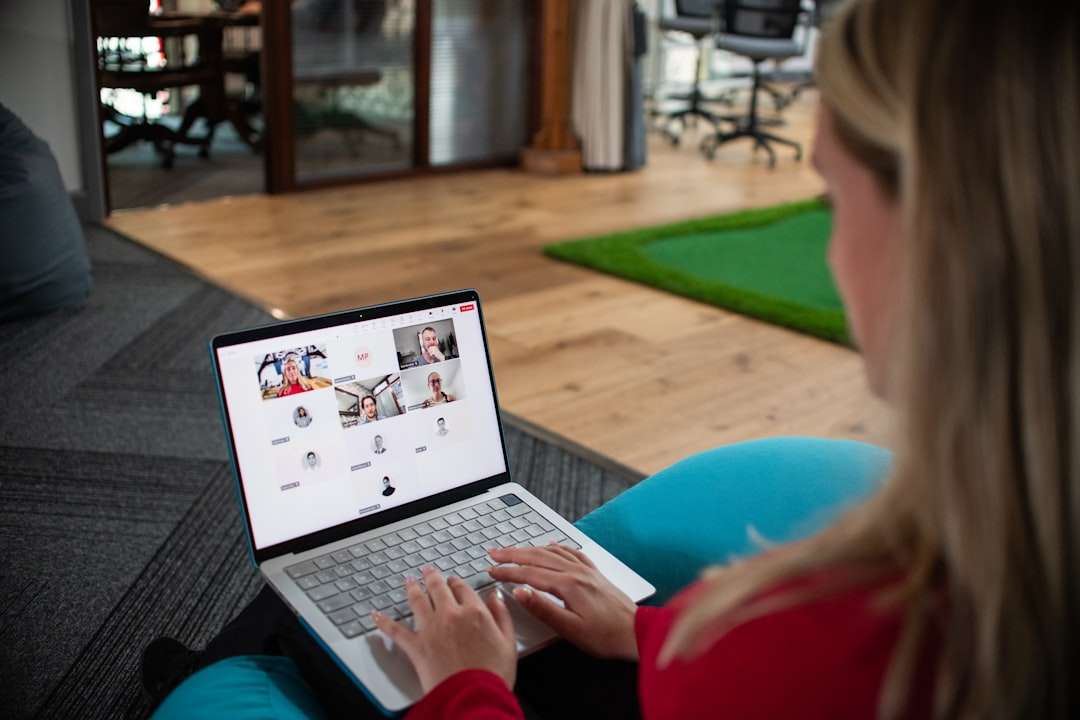
One of the biggest challenges in remote work is maintaining visibility across projects. In a traditional office, managers could often get updates through quick conversations or informal check-ins. In remote environments, that approach is less reliable.
Businesses are solving this issue with project management tools that centralize tasks, deadlines, responsibilities, files, and progress updates. These platforms allow teams to see what is being worked on, who owns each task, and what needs attention. This creates a shared source of truth and helps prevent misunderstandings.
With smarter project management systems, companies can:
- Assign tasks clearly so employees understand their responsibilities.
- Track deadlines and identify delays before they become major problems.
- Organize files and discussions in one place instead of spreading them across emails and chats.
- Measure progress through dashboards, timelines, and workflow views.
- Improve accountability without relying on constant supervision.
This type of visibility benefits both managers and employees. Managers can make better decisions, while employees can manage their workloads more effectively. When priorities are visible, remote teams spend less time asking for updates and more time completing important work.
Communication Tools Are Becoming More Intentional
Remote work depends heavily on communication, but more communication does not always mean better communication. Many remote employees experience message overload, meeting fatigue, and uncertainty about which channel to use for different types of updates.
Businesses are improving remote work by creating more intentional communication systems. Instead of allowing every conversation to happen everywhere, they are defining when to use chat, video calls, email, project comments, and shared documents.
For example, urgent issues may be handled through instant messaging, while project decisions may be documented inside a management platform. Brainstorming sessions may happen through video meetings, but status updates may be shared asynchronously. This reduces interruptions and gives employees more uninterrupted time for focused work.
Smarter communication management also includes meeting discipline. Companies are encouraging shorter meetings, clearer agendas, recorded sessions, and written summaries. By doing so, they make collaboration more inclusive for employees in different time zones and reduce the pressure to be constantly available.
Automation Reduces Repetitive Work
Automation is playing a major role in improving remote work. Many routine tasks that once required manual effort can now be handled automatically through workflow tools and integrated systems. This helps distributed teams maintain consistency even when employees are not working in the same location or at the same time.
Businesses are using automation for tasks such as onboarding, approval processes, status reminders, reporting, scheduling, document routing, and customer follow-ups. By reducing repetitive administrative work, employees can focus on higher-value activities that require creativity, judgment, and problem-solving.
For managers, automation creates more reliable processes. A remote employee can receive the right onboarding materials, training links, task assignments, and policy documents without waiting for multiple manual emails. Similarly, a manager can receive alerts when a deadline is missed, a document needs approval, or a project risk is detected.
Automation does not replace good management. Instead, it supports managers by removing avoidable delays and helping teams follow consistent procedures. This is especially useful for growing businesses that need scalable remote work systems.
Performance Management Is Shifting Toward Outcomes
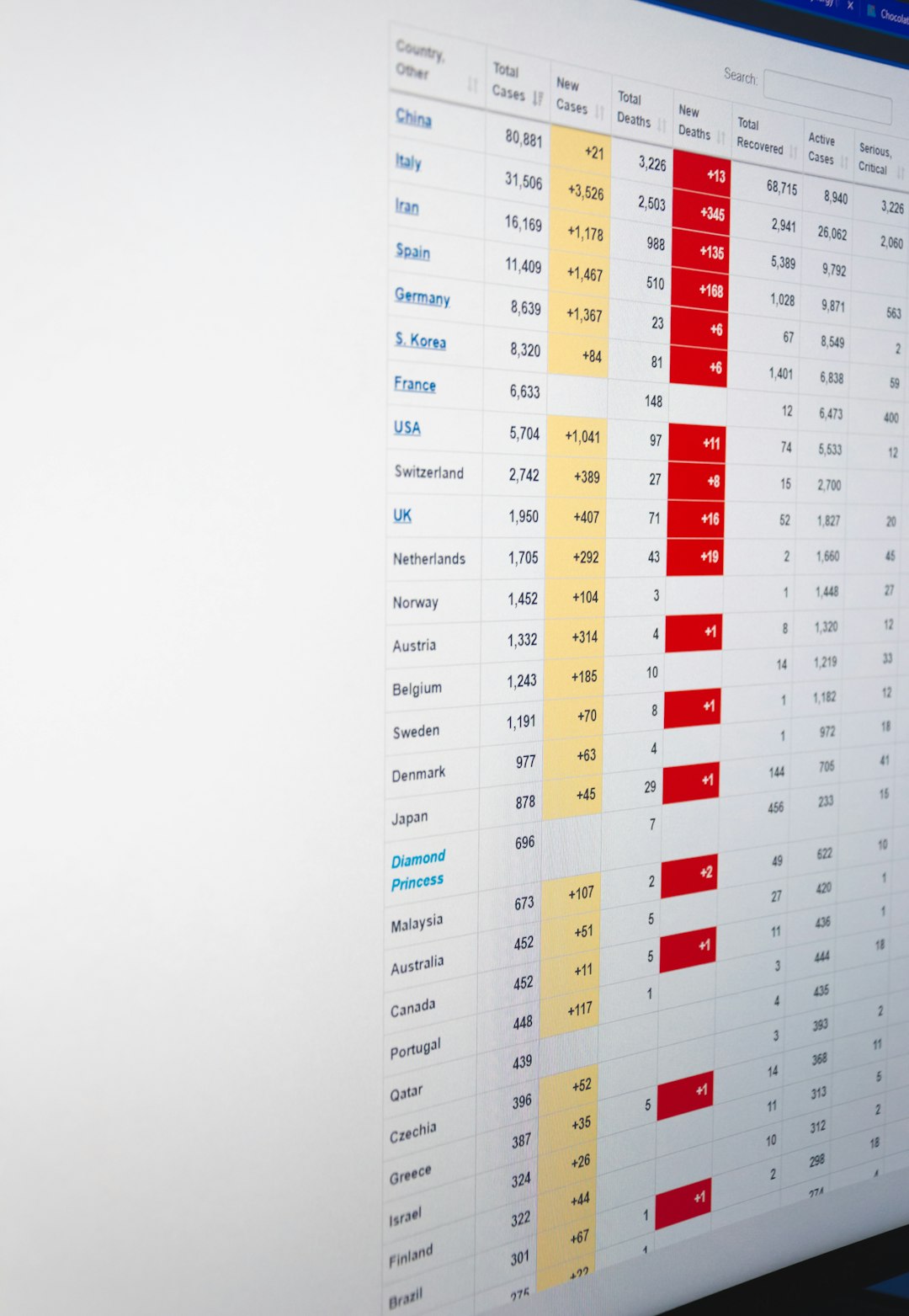
One of the most important changes in remote work management is the shift from measuring activity to measuring outcomes. In office environments, some businesses traditionally equated productivity with visible presence. In remote work, that approach is less effective and can lead to micromanagement.
Smarter businesses are focusing on results instead. They set clear goals, define measurable outcomes, and evaluate employees based on the value they deliver. This creates a healthier work environment because employees are not judged by how often they appear online, but by how well they meet expectations.
Modern performance management solutions help organizations track goals, key results, project milestones, feedback, and professional development. These systems allow managers to have more meaningful performance conversations based on evidence rather than assumptions.
This approach supports trust. Employees are more likely to feel respected when they are given flexibility in how they complete their work. At the same time, managers still have the information they need to identify strong performance, provide coaching, and address problems early.
Workforce Analytics Helps Leaders Make Better Decisions
As remote work becomes more common, businesses need better insight into how teams are functioning. Workforce analytics tools can help leaders understand productivity patterns, workload distribution, collaboration trends, employee engagement, and potential burnout risks.
For example, analytics may show that certain teams are consistently overloaded, that projects are delayed by approval bottlenecks, or that employees are spending too much time in meetings. These insights allow businesses to make improvements based on data rather than guesswork.
However, companies must use analytics responsibly. Employees may become uncomfortable if data tools are used for excessive surveillance. The best organizations are transparent about what data is collected, why it is used, and how it benefits employees and the business.
When handled ethically, workforce analytics can improve remote work by helping leaders:
- Balance workloads more fairly.
- Identify process inefficiencies.
- Support employee well-being.
- Improve hiring and staffing decisions.
- Recognize high-performing teams and individuals.
Cybersecurity Solutions Are Strengthening Remote Operations
Remote work expands the digital environment of a business. Employees may access company systems from home networks, personal devices, coworking spaces, or while traveling. This creates security risks that businesses must manage carefully.
To improve remote work, companies are adopting smarter cybersecurity solutions such as multi-factor authentication, secure cloud storage, virtual private networks, device management, password managers, endpoint protection, and employee security training.
Security is no longer only the responsibility of an IT department. It is part of everyday remote work management. Employees need clear policies for handling sensitive data, recognizing phishing attempts, updating software, and using approved tools. Managers also need systems that protect company information without making work unnecessarily difficult.
A strong cybersecurity approach gives remote teams the confidence to work from anywhere while reducing the risk of data breaches, compliance issues, and operational disruptions.
Employee Experience Is Now a Management Priority
Remote work can offer flexibility, but it can also create isolation, blurred boundaries, and communication gaps. Businesses are recognizing that technology alone cannot solve these challenges. They also need smarter people management strategies that support employee experience.
Many companies are investing in virtual onboarding, digital learning platforms, employee engagement surveys, wellness programs, mentorship systems, and regular feedback channels. These solutions help remote employees feel connected to the organization and supported in their roles.
Managers are also being trained to lead remote teams more effectively. This includes learning how to build trust, communicate expectations, detect signs of burnout, support career growth, and create inclusive team cultures. Remote leadership requires more intentionality because informal office interactions are less frequent.
Businesses that prioritize employee experience often see stronger retention and better performance. When employees feel supported, they are more likely to stay engaged and contribute at a high level.
Hybrid Work Requires Smarter Coordination
Many organizations are not fully remote but operate with hybrid teams. Some employees work from home, some work in the office, and others split their time between both. This creates additional management complexity.
Smarter management solutions help businesses coordinate hybrid schedules, meeting room usage, desk reservations, attendance planning, and team collaboration. These tools make it easier to know who is working where and when, which helps teams plan meetings and collaborative work more effectively.
Hybrid work also requires fairness. Companies need to ensure remote employees are not excluded from important conversations or opportunities simply because they are not physically present. This is why many businesses are adopting remote first communication practices, where important updates are documented digitally and accessible to everyone.
Training and Knowledge Sharing Are Becoming More Digital
In remote environments, employees cannot always rely on nearby coworkers for quick answers. Businesses are improving this by creating digital knowledge bases, learning portals, recorded training sessions, and searchable documentation.
These resources help employees become more independent and reduce repetitive questions. New hires can access standardized training materials, while experienced employees can find procedures, policies, templates, and best practices without waiting for someone else to respond.
Knowledge management is especially important for companies with distributed teams across different time zones. It allows work to continue even when managers or subject matter experts are offline. A well-organized knowledge system can become one of the most valuable assets in a remote workplace.
Smarter Scheduling Supports Global Teams
Remote work allows businesses to hire talent from different cities, countries, and time zones. While this expands hiring opportunities, it also creates scheduling challenges. Smarter scheduling tools help teams coordinate availability, plan meetings, manage shifts, and protect personal time.
Businesses are increasingly using asynchronous work models to reduce dependence on real-time meetings. Employees can share updates, review documents, record presentations, and provide feedback at times that fit their schedules. This approach improves productivity and makes remote work more inclusive for global teams.
When real-time collaboration is necessary, scheduling tools can identify overlapping availability and reduce back-and-forth planning. This makes teamwork smoother and helps prevent employees from regularly attending meetings outside normal working hours.
The Future of Remote Work Management
The future of remote work will likely be shaped by a combination of advanced technology and better leadership practices. Artificial intelligence, predictive analytics, smarter collaboration platforms, and more integrated business systems will continue to improve how remote teams operate.
However, the most successful businesses will not rely on software alone. They will combine digital tools with trust, clarity, empathy, and strong organizational culture. Remote work is not just a location choice; it is a management model that requires thoughtful design.
Companies that invest in smarter management solutions are building workplaces that are more flexible, resilient, and attractive to modern talent. By improving visibility, communication, automation, security, and employee support, businesses can make remote work not only possible but highly effective.
FAQ
What are smarter management solutions for remote work?
Smarter management solutions are tools, systems, and practices that help businesses manage distributed teams more effectively. They may include project management platforms, communication tools, automation software, performance tracking systems, cybersecurity solutions, and employee engagement platforms.
How do businesses measure productivity in remote teams?
Many businesses are moving away from measuring hours online and are focusing on outcomes instead. They track completed tasks, project milestones, quality of work, customer results, and progress toward defined goals.
Why is communication planning important for remote work?
Communication planning helps prevent confusion, message overload, and unnecessary meetings. It ensures employees know which tools to use, where to document decisions, and how to collaborate across different schedules or time zones.
Can automation improve remote employee performance?
Yes. Automation can reduce repetitive work, speed up approvals, send reminders, organize workflows, and make processes more consistent. This allows employees to spend more time on strategic and creative work.
How can companies avoid micromanaging remote workers?
Companies can avoid micromanagement by setting clear expectations, defining measurable goals, using transparent project tracking, and trusting employees to manage their work. Regular supportive check-ins are more effective than constant monitoring.
What is the biggest challenge in managing remote teams?
One of the biggest challenges is maintaining alignment without overwhelming employees with meetings and messages. Businesses can address this by using centralized systems, clear documentation, and intentional communication practices.
Are smarter remote work solutions useful for small businesses?
Yes. Small businesses can benefit from affordable tools for task management, communication, scheduling, file sharing, and automation. These solutions can help small teams stay organized and scale more efficiently.
