Finding signs of German cockroach eggs is one of the clearest warnings that a cockroach problem is not only present, but likely growing. German cockroaches reproduce quickly, hide effectively, and often remain unnoticed until their numbers are established. Recognizing their egg cases, the areas where they are carried or dropped, and the related signs of activity can help you respond before the infestation becomes harder to control.
TLDR: German cockroach eggs are contained in small, brown, capsule-like cases called oothecae. A single egg case can hold dozens of developing cockroaches, so seeing one is a serious sign of infestation. Look for egg cases, droppings, shed skins, musty odors, and live roaches near kitchens, bathrooms, appliances, and cracks. Fast, professional treatment is often necessary because German cockroaches multiply rapidly and are difficult to eliminate with basic cleaning alone.
What German Cockroach Eggs Look Like
German cockroach eggs are not usually seen as individual eggs. Instead, they are enclosed in a protective case known as an ootheca. This egg case is small, firm, and shaped like a narrow capsule. It is usually light brown to medium brown and may darken as the eggs develop.
A German cockroach ootheca typically measures about 6 to 9 millimeters long, roughly the size of a small grain of rice. It has a ridged or segmented appearance and may be mistaken for a tiny seed, piece of debris, or insect casing. However, finding even one of these cases indoors should be taken seriously.

Female German cockroaches carry the egg case attached to the end of their abdomen for most of the development period. This behavior protects the eggs and allows the female to keep them close to food, warmth, and moisture. Shortly before hatching, the female may deposit the ootheca in a hidden, sheltered location.
Why Egg Cases Are a Serious Warning Sign
German cockroaches are among the fastest-reproducing household pests. One ootheca can contain approximately 30 to 40 eggs, and a single female may produce multiple egg cases during her lifetime. Under favorable indoor conditions, populations can grow quickly from a small number of roaches to a widespread infestation.
If you notice an egg case, it may mean one of several things:
- Adult females are present and actively reproducing.
- Nymphs may already be hatching nearby.
- The infestation is established, not just a single roach that wandered inside.
- Hidden nesting areas may exist behind appliances, cabinets, or wall voids.
Because German cockroaches prefer to stay hidden during the day, visible egg cases may represent only a small part of the problem. In many cases, the main population remains concealed in cracks, crevices, and warm spaces near food and water.
Common Places to Find German Cockroach Egg Cases
German cockroaches are strongly associated with areas that provide warmth, moisture, and access to food. They are most common in kitchens and bathrooms, but they can spread to laundry rooms, storage areas, offices, and bedrooms if the infestation grows.
Check carefully in the following locations:
- Behind and under refrigerators, ovens, dishwashers, and microwaves
- Inside kitchen cabinets, especially near hinges, corners, and shelf supports
- Under sinks and around plumbing openings
- Behind baseboards, trim, and loose wall coverings
- Inside drawers, especially where crumbs or grease may collect
- Near garbage containers, recycling bins, and pet food areas
- In cardboard boxes, paper bags, and stored packaging
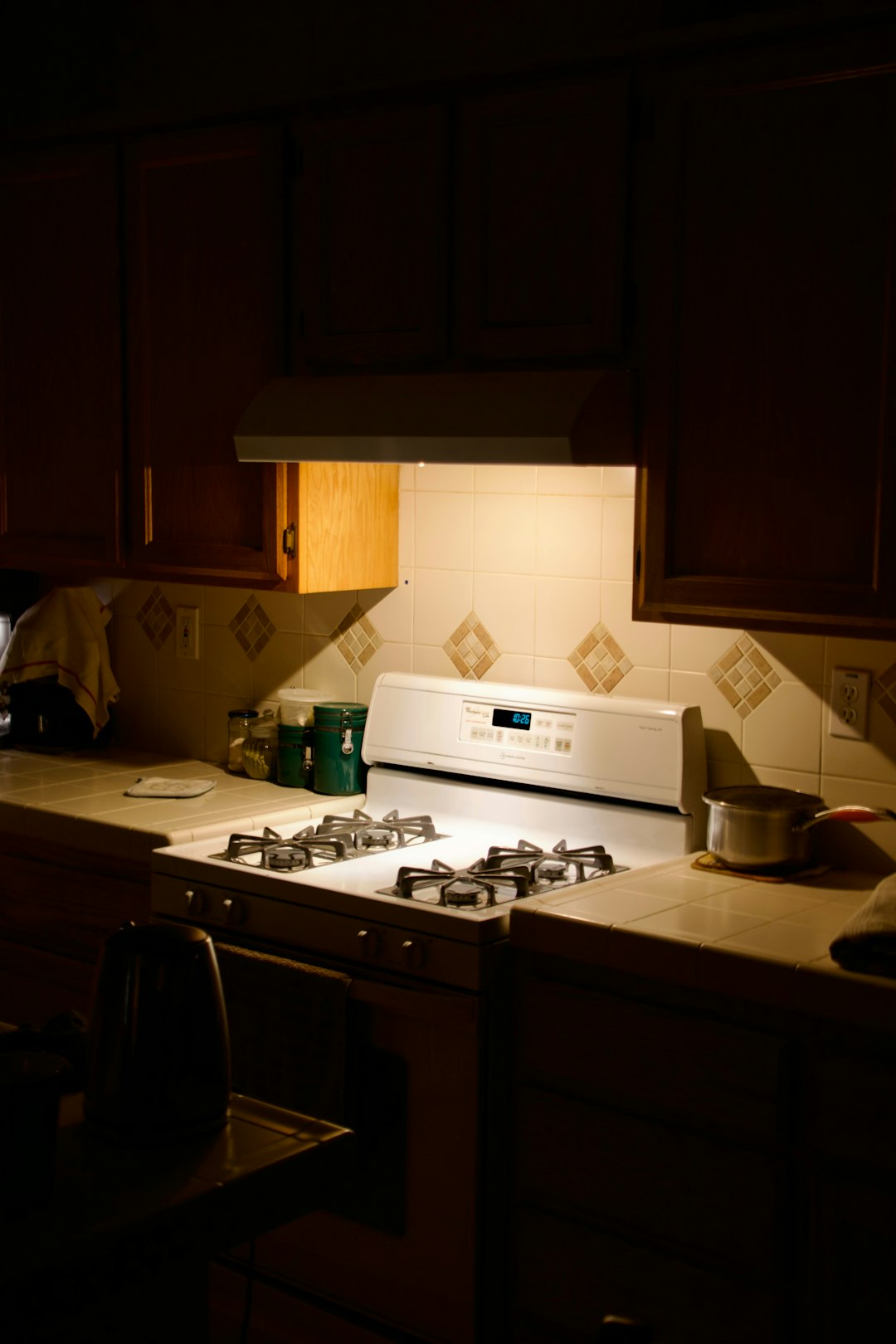
When inspecting, use a flashlight and look slowly. German cockroach evidence is often found in tight, dark spaces rather than open areas. Pay special attention to places where surfaces meet, such as the back corner of a cabinet or the seam between a countertop and wall.
Other Signs That Eggs Are Part of a Larger Infestation
Egg cases are important, but they rarely appear alone. German cockroach infestations usually leave several clues. Combining these signs can help confirm the severity of the problem.
Small Dark Droppings
German cockroach droppings look like tiny black or dark brown specks, similar to ground pepper or coffee grounds. They may appear along cabinet edges, inside drawers, near appliances, or around plumbing. In heavier infestations, staining or smearing may be visible on walls and surfaces.
Live Roaches, Especially at Night
German cockroaches are mostly nocturnal. Seeing them at night, particularly when turning on a kitchen or bathroom light, is a common sign of infestation. Seeing roaches during the day may indicate overcrowding, limited food sources, or a more advanced infestation.
Nymphs and Shed Skins
Young German cockroaches, called nymphs, are small, dark, and wingless. As they grow, they shed their outer skin several times. These shed skins may collect in hidden nesting areas. The presence of nymphs strongly suggests that eggs have hatched nearby.
Unpleasant Odor
A musty, oily odor may develop as cockroach numbers increase. This smell comes from cockroach secretions, droppings, and decaying insect bodies. While odor alone cannot confirm an infestation, it is a concerning sign when combined with droppings, egg cases, or live insects.
How German Cockroach Eggs Spread Indoors
German cockroaches often enter homes and businesses through transported items rather than from outdoors. They may be brought in with used appliances, grocery bags, cardboard boxes, furniture, restaurant supplies, or deliveries. In shared buildings, they may move between units through wall voids, utility lines, vents, and plumbing gaps.
Once inside, they settle where conditions are favorable. A female carrying an egg case can hide near a food source, and within a short time, newly hatched nymphs may begin feeding and spreading. This is why early detection matters. By the time egg cases are visible, the infestation may already involve several life stages.
What to Do If You Find an Egg Case
If you find what appears to be a German cockroach egg case, avoid dismissing it as harmless debris. Place it in a sealed plastic bag or container if you need identification, and clean the area thoroughly. However, cleaning alone will not eliminate hidden roaches or additional egg cases.
Recommended steps include:
- Inspect surrounding areas for droppings, nymphs, and live adults.
- Remove food sources by cleaning crumbs, grease, spills, and residue.
- Store food securely in sealed containers, including pet food.
- Reduce moisture by fixing leaks and drying sinks overnight.
- Seal cracks and gaps around cabinets, pipes, baseboards, and walls.
- Contact a licensed pest control professional if activity continues or if multiple signs are present.
Over-the-counter sprays may kill visible roaches but often fail to reach hidden populations. Some sprays can also scatter roaches deeper into walls or adjacent rooms. Professional control typically uses a targeted approach, such as baits, insect growth regulators, monitoring traps, and precise crack-and-crevice treatments.
Why Fast Action Matters
German cockroaches are not just unpleasant pests. They can contaminate food preparation surfaces, spread bacteria, and trigger allergies or asthma symptoms in sensitive individuals. Their droppings, shed skins, and body fragments can contribute to poor indoor air quality, especially in kitchens, multi-unit housing, and food service environments.
Because their reproductive cycle is rapid, waiting can allow the problem to expand significantly. A few adults and egg cases may become dozens or hundreds of roaches if conditions remain suitable. The longer an infestation persists, the more difficult and costly it usually becomes to control.
When to Seek Professional Help
Professional assistance is strongly recommended if you see egg cases, multiple roaches, daytime activity, nymphs, or repeated signs after cleaning. This is especially important in apartments, restaurants, healthcare settings, childcare facilities, and any place where sanitation is critical.
A qualified pest control provider can confirm the species, identify nesting sites, and create a treatment plan based on the level of infestation. Follow-up visits are often necessary because eggs and hidden nymphs may continue developing after the first treatment. Effective control depends on both treatment and cooperation, including sanitation, clutter reduction, and maintenance repairs.
Final Thoughts
German cockroach egg cases are a serious sign that reproduction is occurring or has recently occurred. Because each ootheca can produce many young roaches, even a small discovery should prompt careful inspection and timely action. Look for related evidence such as droppings, nymphs, shed skins, odors, and nighttime activity. With early recognition, proper sanitation, and targeted pest control, it is possible to stop the infestation before it becomes severe.
