
Urban mobility has undergone a profound transformation over the past decade, driven largely by the rise of app-based bike sharing platforms such as Lime. These services allow users to locate, unlock, and ride a bike within minutes using nothing more than a smartphone. What began as a niche alternative to car travel has evolved into a mainstream transportation solution in cities worldwide. As congestion worsens and environmental concerns intensify, shared micromobility systems are becoming an essential part of modern urban infrastructure.
TLDR: Bike sharing platforms like Lime enable users to quickly rent bikes through mobile apps, offering a fast, flexible, and environmentally friendly transportation option. By combining GPS tracking, cashless payments, and dockless technology, these services reduce barriers to urban mobility. They benefit cities by lowering congestion and emissions, though regulatory and operational challenges remain. Overall, bike sharing is becoming a vital component of sustainable transportation networks.
The Rise of App-Based Bike Sharing
Bike sharing is not a new concept. Early versions, introduced in European cities decades ago, relied on docking stations and membership cards. However, today’s platforms have fundamentally changed the landscape. Companies like Lime, Bird, Tier, and others have integrated mobile technology, GPS tracking, and digital payments to create seamless user experiences.
The process is straightforward:
- Users download an app.
- They locate nearby bikes on an interactive map.
- They unlock the bike by scanning a QR code.
- Payment is processed automatically through the app.
This simplicity removes friction traditionally associated with short-distance travel. There is no paperwork, no physical rental desk, and no long-term contract required. For many riders, the entire process takes less than a minute.

How Platforms Like Lime Work
At their core, bike sharing platforms operate as technology companies managing distributed fleets of vehicles. Most modern systems use dockless models, meaning bikes can be parked in designated public areas rather than fixed stations. This flexibility increases accessibility and reduces infrastructure costs.
Key technological components include:
- GPS Tracking: Allows real-time location tracking of each bike.
- IoT Locks: Smart locks connected to mobile networks enable remote unlocking and locking.
- Mobile Payments: Integration with credit cards, digital wallets, and prepaid balances.
- Data Analytics: Companies analyze ride patterns to optimize fleet deployment.
Electric bikes have further boosted adoption. By providing pedal assistance, e-bikes make cycling accessible to a broader demographic, including commuters traveling longer distances or navigating hilly terrain. This inclusivity has positioned platforms like Lime as realistic alternatives to short car trips rather than recreational novelties.
Benefits for Urban Mobility
The appeal of bike sharing platforms extends beyond convenience. Their impact can be assessed across environmental, economic, and social dimensions.
1. Reduced Traffic Congestion
Short urban trips—often under three miles—account for a significant percentage of car journeys. When commuters opt for shared bikes instead of cars, cities experience measurable reductions in congestion.
2. Lower Carbon Emissions
Electric and traditional bikes produce far fewer emissions compared to automobiles. While fleet charging and maintenance do have environmental costs, studies consistently show a net reduction in greenhouse gases when bike sharing is widely adopted.
3. First-Mile, Last-Mile Solutions
Bike sharing complements public transportation. Users can cycle to train stations, bus stops, or subway entrances, bridging the distance between home and transit hubs. This improves the efficiency and usability of entire transportation networks.
4. Public Health Benefits
Even pedal-assisted bikes encourage physical movement. Increased cycling correlates with improved cardiovascular health and reduced healthcare costs over time.

Major Platforms in the Market
Although Lime remains one of the most recognizable names in the industry, several other companies operate globally. The following comparison chart outlines key distinctions among leading platforms.
| Platform | Primary Vehicles | Geographic Presence | Docked or Dockless | Notable Feature |
|---|---|---|---|---|
| Lime | E bikes, scooters | North America, Europe, Asia Pacific | Primarily dockless | Strong municipal partnerships |
| Tier | E bikes, scooters | Europe, Middle East | Dockless with parking zones | Focus on sustainability initiatives |
| Veo | E bikes, seated scooters | United States | Hybrid model | University campus presence |
| Citi Bike | Traditional and e bikes | New York City | Docked | Large scale docking network |
This diversity reflects the adaptability of the bike sharing model. Some cities prefer docked systems for orderliness, while others embrace dockless fleets for flexibility.
Regulatory and Operational Challenges
Despite their advantages, bike sharing platforms face significant hurdles. Rapid expansion in the late 2010s led to concerns about sidewalk clutter, improper parking, and pedestrian safety. Municipal governments have since implemented stricter regulations, including:
- Fleet size caps
- Designated parking zones
- Data sharing requirements
- Equity mandates for underserved neighborhoods
Safety also remains an ongoing issue. While cycling infrastructure has improved in many cities, gaps in protected bike lanes can deter adoption. Platforms have responded by investing in rider education campaigns and distributing helmets in select markets.
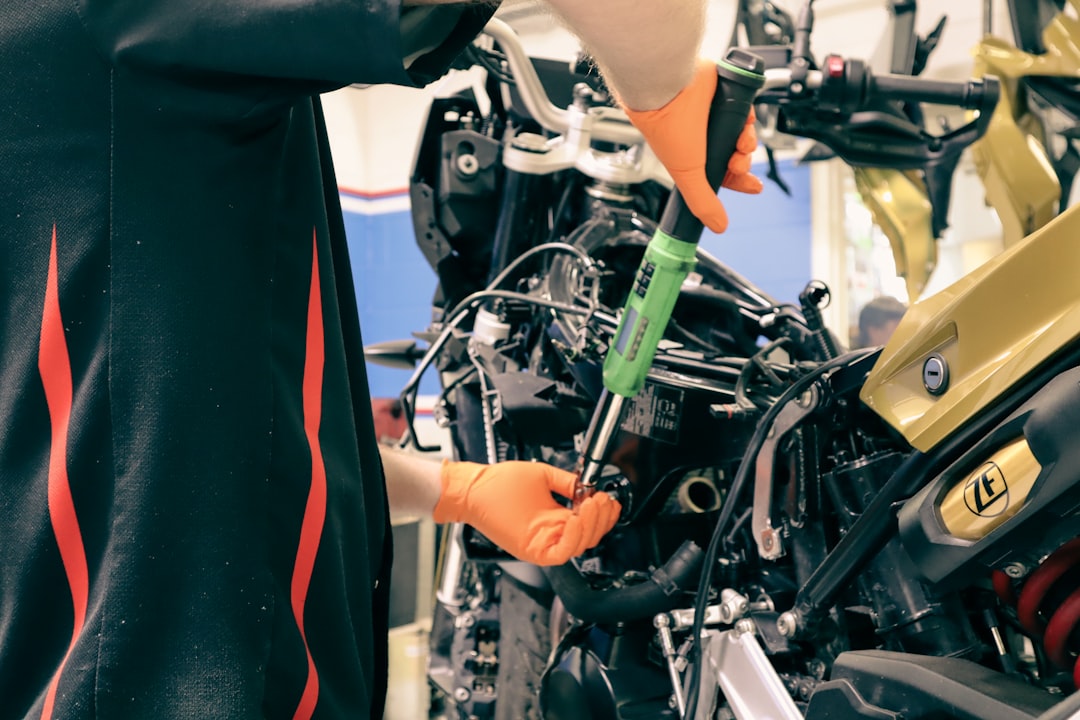
Financial sustainability presents another challenge. The early wave of micromobility startups experienced high operational costs related to vehicle maintenance, battery charging, and vandalism. Over time, companies have developed more durable bike designs and implemented swappable battery systems to reduce downtime and labor expenses.
Economic Impact and Job Creation
Bike sharing platforms generate employment opportunities in several areas:
- Fleet maintenance technicians
- Battery charging specialists
- Operations managers
- Software engineers and data analysts
Additionally, local businesses often benefit from increased foot and bike traffic. Riders are more likely than drivers to stop at neighborhood shops and cafés, contributing to vibrant street-level commerce.
From a municipal perspective, partnerships with micromobility companies can reduce infrastructure strain and complement long-term transit planning. Some cities integrate bike-sharing data into traffic management systems to improve urban design decisions.
The Role of Data and Smart Cities
One of the most significant contributions of platforms like Lime lies in their data capabilities. Every ride generates anonymized insights about traffic flow, trip duration, and peak usage corridors. When responsibly shared with city planners, this data informs:
- Bike lane placement
- Traffic calming measures
- Public transit improvements
- Infrastructure investment priorities
As cities transition toward smart mobility ecosystems, bike sharing platforms are positioned as essential data partners. However, transparent governance and privacy protections remain essential to maintain public trust.
User Experience and Accessibility
User adoption depends heavily on reliability and affordability. Platforms typically employ a pricing structure consisting of:
- A small unlocking fee
- A per-minute riding charge
Many companies now offer subscription models that reduce per-ride costs, encouraging frequent use. Discount programs for students and low-income residents are increasingly common, supporting equitable access.
Accessibility continues to expand through adaptive vehicles, including step-through frames and seated models. While more progress is needed, industry leaders acknowledge that inclusive design strengthens long-term viability.
The Future of Bike Sharing
Looking ahead, several trends are likely to shape the evolution of platforms like Lime:
- Integration with Public Transit Apps: Unified apps that combine bike rentals, bus passes, and train tickets.
- Improved Battery Technology: Longer-lasting and more sustainable power sources.
- Expanded Infrastructure: Increased investment in protected bike lanes.
- Autonomous Rebalancing: Advanced logistics for efficient fleet distribution.
As cities pursue carbon neutrality goals and residents demand efficient alternatives to car ownership, the strategic importance of micromobility will likely grow. Bike sharing will not replace traditional transportation systems, but it plays a complementary and increasingly indispensable role.
Conclusion
Bike sharing platforms like Lime represent a significant innovation in urban transportation. By combining technological sophistication with practical design, they enable users to rent bikes quickly and efficiently. Beyond convenience, they offer measurable environmental, economic, and social benefits. While challenges related to regulation, safety, and financial sustainability persist, the model has matured considerably in recent years.
In an era defined by urbanization and climate urgency, trustworthy and well-regulated bike sharing systems stand as credible components of a broader mobility strategy. Their continued success will depend on responsible corporate practices, thoughtful city partnerships, and sustained investment in safe cycling infrastructure. When implemented effectively, these platforms do more than provide rides—they help reshape cities into cleaner, more connected, and more resilient environments.
