As AI-assisted photography becomes more practical for marketers, designers, content creators, and small businesses, prompt quality has become just as important as the image model being used. A strong ChatGPT photo prompt template helps turn vague ideas into polished visual directions, making results more consistent, realistic, and brand-ready.
TLDR: The best ChatGPT photo prompt templates are structured, specific, and flexible enough to adapt to different subjects, styles, and platforms. Templates that define subject, setting, lighting, camera angle, mood, composition, and output style tend to produce the strongest results. The most useful options are cinematic portrait, product photography, lifestyle social media, editorial fashion, and food photography templates. For reliable results, creators should treat templates as starting points and refine them with precise visual details.
What Makes a Good ChatGPT Photo Prompt Template?
A strong photo prompt template is not simply a sentence asking for a beautiful image. It is a reusable structure that guides ChatGPT to create a detailed prompt for an AI image generator. The best templates work because they contain clear slots for the most important visual elements: subject, environment, lighting, camera style, mood, colors, composition, and technical quality.
The most effective templates also avoid unnecessary confusion. They do not overload the prompt with conflicting styles, such as asking for both a documentary street photo and a polished luxury advertisement in the same image. Instead, they help the user keep the concept focused while still allowing creative variation.
When reviewing photo prompt templates, several criteria matter most:
- Clarity: The template should make the visual request easy to understand.
- Control: It should allow the user to define lighting, background, angle, and mood.
- Flexibility: It should work across different subjects and industries.
- Realism: It should support natural, believable photo results.
- Repeatability: It should produce consistent outputs when reused.
1. Cinematic Portrait Prompt Template
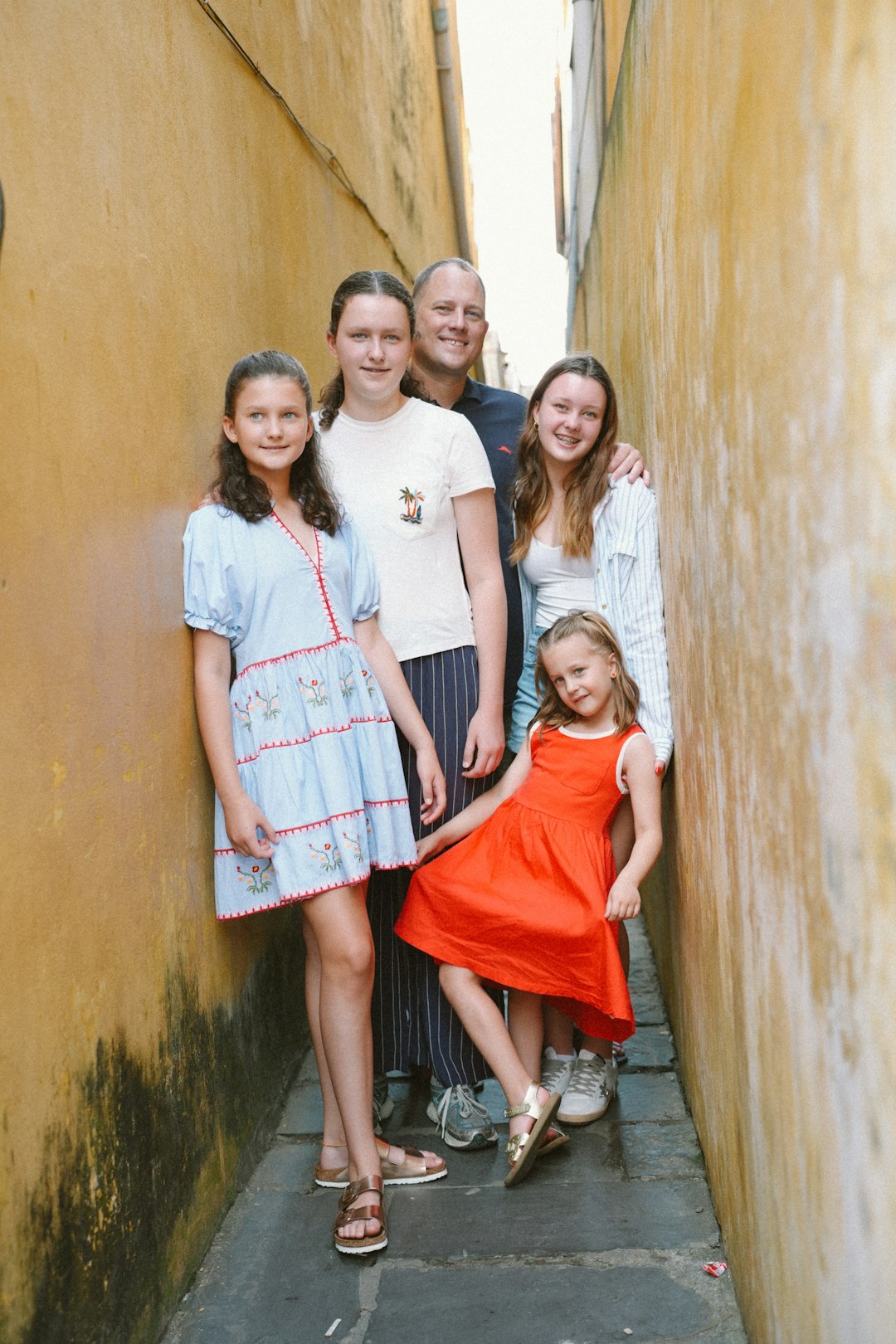
The cinematic portrait template is one of the strongest choices for creators who need dramatic, high-quality human imagery. It usually includes a subject description, emotion, background, lighting setup, lens style, and color grade. This type of template performs especially well for personal branding, character visuals, profile images, and storytelling campaigns.
Template example:
Create a realistic cinematic portrait of [subject], wearing [clothing], standing in [location]. Use [lighting style], a [camera angle] perspective, shallow depth of field, rich contrast, natural skin texture, and a [mood] atmosphere. The image should look like it was photographed with a professional portrait lens.
Review: This template is excellent because it balances artistic direction with photographic realism. The inclusion of clothing, location, lighting, and mood gives the image generator enough information to create a cohesive scene. Its only weakness is that it may produce overly dramatic results if the mood and lighting are not carefully controlled.
Best for: founder portraits, dramatic profile images, character concepts, musician visuals, author photos, and campaign imagery.
2. Product Photography Prompt Template
The product photography template is highly practical because it serves commercial needs. Businesses often need clean product visuals, packaging mockups, website images, and advertising concepts. A well-designed template helps define the product, surface, background, lighting, reflections, props, and brand mood.
Template example:
Create a professional studio product photo of [product] placed on [surface], with [background color or scene], soft [lighting type], subtle shadows, realistic reflections, and a clean commercial composition. The image should feel [brand mood], with sharp focus and premium advertising quality.
Review: This template is one of the most reliable options for business use. It is clear, structured, and easy to customize. It also encourages sharp focus and clean composition, which are essential for product images. However, it works best when the product is described in detail, including material, shape, label style, and size.
Best for: ecommerce images, skincare products, tech accessories, beverage packaging, candles, books, and luxury goods.
3. Lifestyle Social Media Prompt Template
The lifestyle social media template is designed to create images that feel natural, aspirational, and platform-friendly. Instead of a perfect studio look, it focuses on everyday moments, real environments, casual lighting, and relatable subjects. This makes it valuable for brands that want content suited for Instagram, Pinterest, TikTok thumbnails, or blog features.
Template example:
Create a realistic lifestyle photo of [subject or person] using [product or activity] in [setting]. The scene should feel authentic, warm, and modern, with natural daylight, casual composition, soft colors, and a candid photography style. Include subtle background details that support the story without distracting from the main subject.
Review: This template works well because it emphasizes authenticity. It avoids the stiff look that can appear in overly polished AI images. The phrase subtle background details is especially useful because it encourages environmental storytelling. Still, creators should specify the exact platform or crop format when the image is intended for social media.
Best for: wellness brands, travel content, personal brands, home products, fitness posts, creator marketing, and casual promotional visuals.
4. Editorial Fashion Prompt Template
The editorial fashion template is ideal for bold, stylized, magazine-inspired images. It focuses on clothing, pose, location, lighting, styling, texture, and attitude. Compared with a standard portrait template, this version gives more attention to silhouette, fabric, accessories, and visual drama.
Template example:
Create a high-fashion editorial photo featuring [model description] wearing [outfit], posed in [setting]. Use dramatic [lighting], a confident pose, refined styling, strong composition, and a magazine photography aesthetic. Emphasize fabric texture, accessories, color harmony, and an elegant yet bold mood.
Review: This is one of the most visually exciting templates. It can create striking fashion concepts, mood boards, and campaign directions. Its strength is its emphasis on styling and composition. Its limitation is that it may generate unrealistic clothing details unless the outfit is clearly described. For best results, details such as fabric, cut, color, and accessories should be included.
Best for: fashion campaigns, lookbooks, mood boards, luxury branding, model concepts, and creative direction.
5. Food Photography Prompt Template
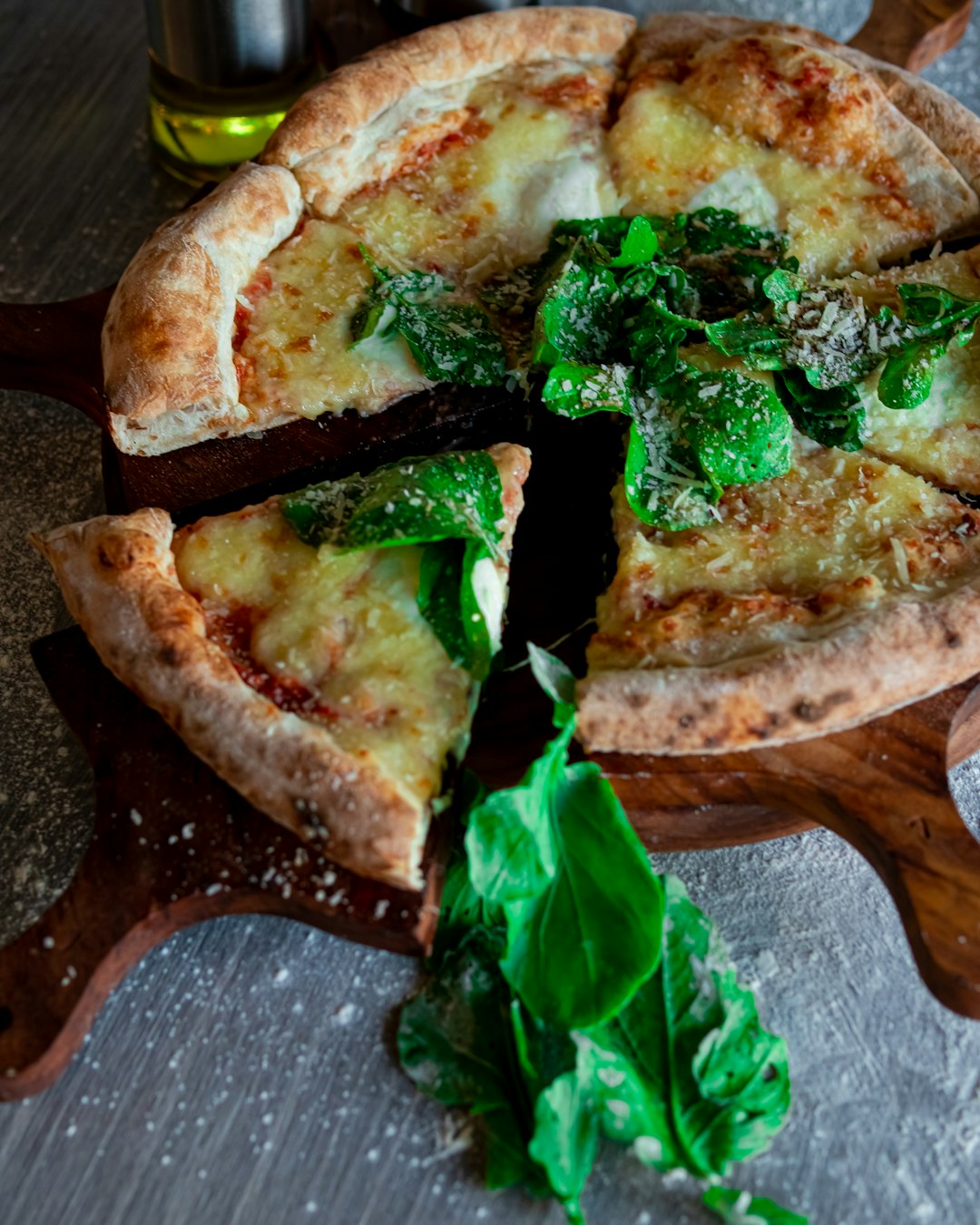
Food photography prompts require special attention to texture, freshness, lighting, plating, and atmosphere. A good food prompt template helps produce appetizing images with realistic surfaces, natural imperfections, and strong composition. It is useful for restaurants, recipe blogs, cookbooks, delivery menus, and hospitality marketing.
Template example:
Create a realistic professional food photo of [dish] served on [plate or surface], styled with [garnish or props]. Use [lighting style], a [camera angle] angle, rich natural textures, fresh ingredients, and an inviting atmosphere. The image should look appetizing, detailed, and suitable for a premium food magazine.
Review: This template is highly effective because it focuses on sensory details. Words such as fresh, textured, appetizing, and natural help guide the final image toward realism. The camera angle is particularly important: overhead works well for flat lays, while a low angle works better for burgers, cakes, drinks, and layered dishes.
Best for: restaurant menus, recipe posts, bakery visuals, beverage ads, cookbooks, catering promotions, and food blogs.
6. Interior and Real Estate Prompt Template
The interior and real estate template is built for spaces rather than people or objects. It helps describe architectural style, room type, furniture, lighting, materials, camera lens, and atmosphere. This template is useful for staging concepts, home decor inspiration, rental listings, renovation planning, and visual content for property brands.
Template example:
Create a realistic interior photography image of [room type] designed in [style]. Include [furniture], [materials], [color palette], and [decor details]. Use natural window light, a wide-angle architectural photography perspective, clean lines, balanced composition, and a welcoming atmosphere.
Review: This template is practical and easy to adapt. It produces strong results when the room layout is described clearly. The mention of wide-angle architectural photography helps create a professional real estate feel. However, if the prompt lacks spatial details, the image may appear generic.
Best for: real estate marketing, interior design concepts, Airbnb-style listings, renovation ideas, furniture branding, and home decor posts.
7. Fine Art Photography Prompt Template
The fine art photography template is suitable for more expressive and conceptual images. It prioritizes symbolism, emotion, abstraction, composition, and artistic atmosphere. This template is less commercial than product or lifestyle prompts, but it is valuable for gallery-inspired visuals, posters, book covers, and experimental creative work.
Template example:
Create a fine art photography image of [subject] representing [theme or emotion]. Use [setting], symbolic visual elements, carefully composed negative space, [lighting style], muted or expressive colors, and a thought-provoking atmosphere. The image should feel artistic, poetic, and professionally photographed.
Review: This template is powerful for creators who want images with meaning rather than simple realism. Its greatest advantage is emotional depth. Its weakness is that abstract themes can become unclear if the prompt is too vague. Specific symbols, colors, and composition instructions improve the result.
Best for: posters, album art, editorial concepts, book covers, gallery visuals, and conceptual campaigns.
How to Choose the Best Template
The best ChatGPT photo prompt template depends on the intended use. A product brand usually benefits from a commercial studio template, while a personal brand may prefer cinematic portraits or lifestyle imagery. Food businesses need texture and freshness, while fashion creators need styling, pose, and editorial mood.
Creators should also consider the amount of control required. If the goal is speed, a simple template with five or six variables may be enough. If the goal is premium campaign imagery, a more detailed structure will produce better results. In most cases, the best template is one that can be reused, adjusted, and refined over time.
Tips for Better Results
- Define the subject clearly: Vague subjects usually create generic images.
- Add lighting details: Lighting has a major effect on realism and mood.
- Specify the camera angle: Portrait, overhead, wide-angle, close-up, and low-angle views create very different results.
- Use style references carefully: General style categories are safer than copying a living artist or photographer.
- Include negative guidance: If supported, requests such as no blurry details or no distorted hands may improve quality.
- Iterate: The first result should be treated as a draft, not a final image.
Final Verdict
The best overall ChatGPT photo prompt template is the product photography template for commercial usefulness, while the cinematic portrait template is the strongest for personal and storytelling visuals. The lifestyle social media template is the most flexible for everyday brand content, and the editorial fashion template is the best option for dramatic creative direction.
Overall, the highest-performing templates share the same qualities: they are specific, structured, visually descriptive, and easy to adapt. By using a reliable framework and adjusting the details for each project, creators can generate stronger photo prompts, reduce trial and error, and achieve more professional AI-assisted images.
FAQ
What is a ChatGPT photo prompt template?
A ChatGPT photo prompt template is a reusable text structure that helps generate detailed image prompts. It usually includes placeholders for the subject, setting, lighting, style, mood, camera angle, and composition.
Which photo prompt template is best for business use?
The product photography template is usually the best option for business use because it supports ecommerce, advertising, packaging visuals, and promotional campaigns.
Which template works best for social media?
The lifestyle social media template works best for social platforms because it creates natural, relatable, and visually engaging scenes suited to everyday content.
How can AI photo prompts look more realistic?
Realism improves when prompts include natural lighting, believable textures, clear camera angles, realistic environments, and restrained styling. Overly complicated prompts often reduce realism.
Should one template be used for every image?
No. Different image goals require different templates. Product photos, portraits, interiors, food images, and fashion editorials all need different visual instructions.
What is the biggest mistake in photo prompt writing?
The biggest mistake is being too vague. A prompt such as make a beautiful photo gives little direction. A structured template produces more controlled and professional results.
