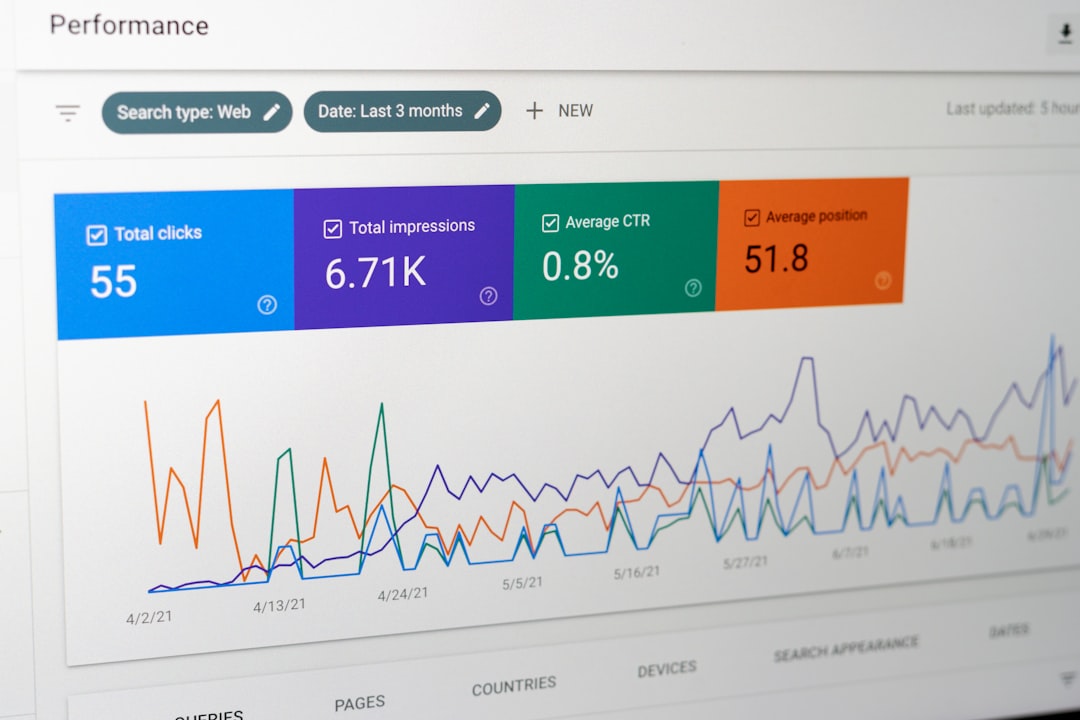
SaaS teams rarely lose users because of one dramatic failure. More often, churn begins with small moments: a confusing onboarding step, an ignored feature, a repeated error, or a user who never reaches the “aha” moment. Visitor tracking tools like Pendo help product, growth, customer success, and UX teams understand those moments by showing what users do inside a product, where they get stuck, and which behaviors predict retention.
TLDR: If you are looking for tools like Pendo, the best choice depends on whether you need product analytics, onboarding, session replay, or customer journey insights. Userpilot and Appcues are strong for onboarding and in-app engagement, while Amplitude, Mixpanel, and Heap excel at behavioral analytics. FullStory is ideal when you want to see real user sessions and diagnose friction visually.
Why SaaS Visitor Tracking Matters
In SaaS, your product is both the experience and the sales engine. Every click, page visit, feature interaction, and abandoned workflow tells a story. A visitor tracking platform helps you turn that story into actionable insight.
Instead of relying only on surveys or support tickets, SaaS teams can use behavior data to answer questions such as:
- Which features are users adopting most often?
- Where do trial users drop off before converting?
- Which customer segments are most engaged?
- What actions indicate a user is likely to churn?
- Which onboarding flows actually improve activation?
Pendo is popular because it combines product analytics, in-app guides, feedback, and roadmapping. However, it is not the only option. Some alternatives are easier to implement, some offer deeper analytics, and others provide stronger visual behavior tracking.
What to Look For in a Pendo Alternative
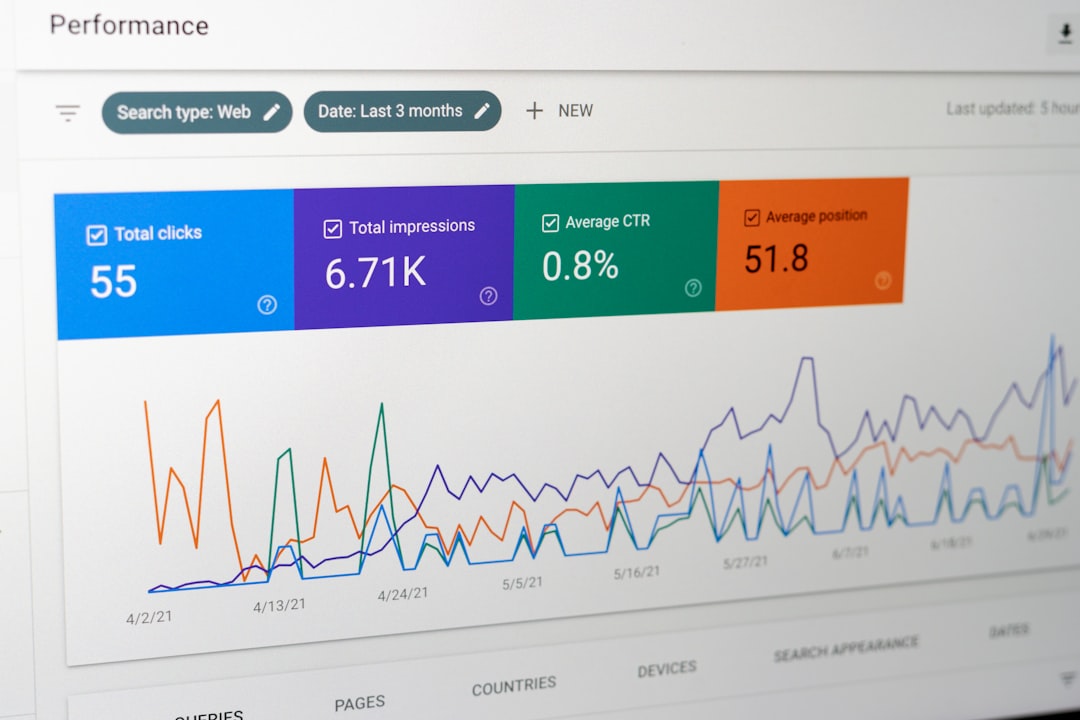
Before comparing tools, it helps to clarify what your team actually needs. A startup trying to improve trial activation has different priorities than an enterprise SaaS company analyzing feature adoption across thousands of accounts.
Key features to evaluate include:
- Event tracking: The ability to track clicks, page views, form submissions, and custom product events.
- User segmentation: Grouping users by role, plan, behavior, lifecycle stage, company size, or engagement level.
- Funnels and paths: Understanding how users move through critical workflows.
- In-app messaging: Tooltips, walkthroughs, checklists, banners, and announcements.
- Session replay: Watching real user sessions to identify bugs, confusion, and hesitation.
- Integrations: Connections with CRMs, data warehouses, support tools, and marketing platforms.
- Privacy and compliance: Controls for masking sensitive data and meeting GDPR or SOC 2 requirements.
1. Userpilot
Userpilot is one of the closest Pendo alternatives for SaaS teams that want a mix of product analytics and in-app experiences. It is especially useful for product-led growth companies that need to improve onboarding, increase feature adoption, and communicate with users inside the product.
With Userpilot, teams can create interactive walkthroughs, onboarding checklists, tooltips, modals, banners, and surveys without heavy engineering involvement. The platform also includes product usage analytics, segmentation, goal tracking, and feature tagging.
Best for: SaaS companies focused on activation, onboarding, and feature adoption.
Notable strengths:
- No-code in-app onboarding flows
- Behavior-based user segmentation
- Feature adoption analytics
- In-app surveys and feedback collection
- Good fit for product-led growth teams
Userpilot is a strong choice if your team wants more than passive analytics. It helps you act on insights immediately by guiding users toward the next best action. For example, if analytics show that users who invite teammates are more likely to become paying customers, you can trigger an in-app prompt encouraging new users to add collaborators.
2. Appcues
Appcues is another well-known alternative to Pendo, particularly for onboarding and product adoption. It gives non-technical teams the ability to build polished in-app experiences such as product tours, announcements, checklists, slideouts, and surveys.
Where Appcues shines is its ease of use. Product marketers, growth teams, and customer success managers can launch guidance without waiting for development cycles. This is valuable in SaaS environments where messaging changes frequently and onboarding experiments need to move quickly.
Best for: Teams that want simple, flexible in-app messaging and onboarding.
Notable strengths:
- Clean visual builder for user flows
- Strong onboarding and activation features
- Audience targeting and personalization
- Easy experimentation with messaging
- Integration with analytics and CRM tools
Appcues is not always the deepest analytics platform on its own, so many teams use it alongside tools such as Amplitude, Mixpanel, or Segment. However, for guiding users inside your product, it remains one of the most accessible and effective options.

3. Amplitude
Amplitude is a leading product analytics platform designed for teams that want deep behavioral insights. Unlike tools that focus mainly on in-app walkthroughs, Amplitude helps teams understand why users convert, retain, expand, or churn.
Amplitude is excellent for analyzing funnels, cohorts, retention, user journeys, and feature usage. SaaS teams can track how different segments behave across the customer lifecycle, from first visit to renewal. Its strength is in answering complex product questions with data.
Best for: Data-driven product teams and growth teams that need advanced behavioral analytics.
Notable strengths:
- Powerful funnel and retention analysis
- Behavioral cohorts for detailed segmentation
- User journey and path analysis
- Experimentation and personalization capabilities
- Strong enterprise analytics features
For example, a SaaS team might discover that users who complete three specific actions in their first week are far more likely to stay subscribed after 90 days. With this insight, the team can optimize onboarding, customer success outreach, and product prompts around those actions.
Amplitude is ideal if your main goal is to understand behavior patterns at scale. However, if you need native in-app onboarding, you may need to connect it with another tool.
4. Mixpanel
Mixpanel is another heavyweight in product analytics and a strong Pendo alternative for teams that want event-based tracking, funnels, retention reports, and user segmentation. It is popular among SaaS companies, mobile apps, marketplaces, and digital platforms that rely heavily on user behavior data.
Mixpanel helps teams go beyond basic page views. You can track specific actions such as creating a project, uploading a file, inviting a teammate, exporting a report, or upgrading a plan. This makes it much easier to understand which activities lead to activation and revenue.
Best for: SaaS teams that want flexible analytics with strong event tracking.
Notable strengths:
- Detailed event-based analytics
- Funnel and conversion tracking
- Cohort analysis and user segmentation
- Retention and engagement reporting
- Useful dashboards for product and growth teams
Mixpanel’s interface is approachable enough for non-technical users, while still offering depth for analysts and product managers. It is particularly useful for companies that want to measure product-led growth metrics such as activation rate, expansion signals, and feature stickiness.
The main consideration is implementation. Like most analytics platforms, Mixpanel performs best when your event taxonomy is planned carefully. A messy tracking setup can lead to confusing reports, so it is worth defining key events before rolling it out broadly.
5. Heap
Heap stands out because of its automatic data capture. Instead of requiring teams to manually define every event before collecting data, Heap can capture user interactions automatically and let teams analyze them later.
This is valuable for SaaS businesses that do not want to miss important behavior simply because an event was not tagged in advance. If a product manager later decides to analyze a button click, form interaction, or page visit, Heap may already have the historical data available.
Best for: Teams that want comprehensive behavior capture with less upfront tracking work.
Notable strengths:
- Automatic event capture
- Retroactive analysis of user behavior
- Funnels, journeys, and segmentation
- Useful for discovering unexpected friction
- Good for teams with limited analytics engineering resources
Heap is especially helpful when you are still learning what matters in your product. Early-stage and scaling SaaS teams often change their onboarding flows, pricing pages, and feature sets quickly. Automatic capture gives them more flexibility to analyze behavior as questions evolve.
However, teams still need strong governance. Capturing everything does not automatically mean understanding everything. The most successful Heap users create clear definitions for important metrics such as activation, engagement, retention, and conversion.

6. FullStory
FullStory is a visitor tracking and digital experience intelligence platform that focuses heavily on session replay, frustration signals, and visual behavior analysis. If product analytics tools tell you what happened, FullStory helps you see how it happened.
With FullStory, teams can watch recordings of real user sessions, inspect clicks, scrolls, rage clicks, dead clicks, errors, and navigation paths. This is incredibly useful for diagnosing UX issues that do not show up clearly in quantitative analytics.
Best for: UX, product, and support teams that need visual insight into user friction.
Notable strengths:
- High-quality session replay
- Heatmaps and click tracking
- Frustration detection such as rage clicks
- Error and performance insights
- Useful collaboration between product, UX, and support
For example, a funnel report might show that users abandon a billing setup page. FullStory can reveal that users are repeatedly clicking a disabled button, missing a required field, or encountering a browser-specific bug. This level of context can shorten the time between discovering a problem and fixing it.
FullStory is not a direct replacement for every Pendo feature, especially if you need built-in product guides or roadmapping. But it is one of the best tools for understanding the lived experience of users inside your SaaS product.
Quick Comparison of the Top Pendo Alternatives
| Tool | Primary Strength | Best Use Case |
|---|---|---|
| Userpilot | Onboarding plus product analytics | Improving activation and feature adoption |
| Appcues | In-app messaging and guidance | Building no-code product tours and prompts |
| Amplitude | Advanced behavioral analytics | Understanding retention, cohorts, and journeys |
| Mixpanel | Event-based product analytics | Tracking funnels, conversion, and engagement |
| Heap | Automatic data capture | Analyzing behavior without extensive manual tagging |
| FullStory | Session replay and experience analytics | Finding UX friction, bugs, and confusing interactions |
How to Choose the Right Tool
The best Pendo alternative is not necessarily the tool with the longest feature list. It is the one that matches your team’s biggest product question.
If your question is “How do we help more users activate?”, look closely at Userpilot or Appcues. If your question is “Which behaviors predict retention?”, Amplitude or Mixpanel may be the better fit. If your question is “What are users actually doing before they get stuck?”, FullStory can provide the visual evidence you need. If your team wants broad data capture without tagging every event manually, Heap is worth considering.
Also consider your internal resources. Advanced analytics platforms are powerful, but they require thoughtful implementation, clean event naming, and ongoing analysis. In-app engagement tools can deliver faster visible wins, but they work best when paired with a clear onboarding strategy.
Final Thoughts
Pendo remains a strong platform for SaaS product experience, but the market is full of excellent alternatives. The right visitor tracking tool can help you uncover hidden friction, improve onboarding, increase feature adoption, and build a product that users understand more quickly.
For many SaaS teams, the smartest approach is not choosing one tool forever, but choosing the tool that fits the current stage of growth. Early-stage teams may prioritize onboarding and activation. Scaling teams may need deeper analytics and segmentation. Mature teams may require session replay, enterprise governance, and advanced journey analysis.
Ultimately, user behavior data is most valuable when it leads to better decisions. Whether you choose Userpilot, Appcues, Amplitude, Mixpanel, Heap, or FullStory, the goal is the same: understand your users more clearly, remove friction faster, and create a SaaS experience that keeps people coming back.
