Marketing has changed fast. Social media runs the show. Creators shape opinions. And brands need smart ways to keep up. That is where influencer management solutions come in. They help modern marketing teams stay organized, creative, and ahead of the game.
TLDR: Influencer management solutions help marketing teams find, manage, and measure influencers with ease. They save time, reduce chaos, and improve campaign results. These tools track performance, handle communication, and organize payments in one place. If you work with creators, you need one.
Let’s break it down in a simple way.
What Is Influencer Management?
Influencer management is the process of handling relationships with content creators. It includes:
- Finding the right influencers
- Reaching out to them
- Managing contracts
- Planning campaigns
- Tracking performance
- Paying them
Sounds like a lot, right? It is.
Now imagine doing this for 10, 50, or even 200 influencers at once. Spreadsheets get messy. Emails get lost. Deadlines slip. Teams get stressed.
This is why modern marketing teams use dedicated influencer management solutions.
Why Modern Teams Need These Tools
Marketing moves fast. Trends change daily. TikTok blows up overnight. Instagram shifts its algorithm again. Brands must react quickly.
Manual processes slow everything down.
An influencer management platform brings everything into one dashboard. It acts like mission control for campaigns.
Here is what that means:
- No more endless spreadsheets
- No scattered email threads
- No missed deliverables
- No guessing about results
Everything is organized. Everything is trackable.

Key Features That Make Life Easier
Not all tools are the same. But the best influencer management solutions usually include these core features.
1. Influencer Discovery
Finding the right creator is not easy.
You need someone who:
- Matches your brand voice
- Has the right audience
- Gets real engagement
- Fits your budget
Good platforms let you search by niche, location, follower count, engagement rate, and more.
Some even use AI to recommend influencers based on your goals.
That saves hours of research.
2. Outreach and Communication
Emailing influencers one by one is tiring. And confusing.
Management tools often include built-in messaging systems. You can:
- Send templates
- Track responses
- Set follow-ups
- Keep all communication in one place
No more “Did we email them?” moments.
3. Campaign Management
Campaigns have many moving parts.
There are:
- Briefs
- Content guidelines
- Deadlines
- Approval steps
- Posting schedules
Influencer management software helps you assign tasks and monitor status in real time.
You can see who has submitted content. Who needs revisions. Who has posted.
It feels calm. Not chaotic.
4. Performance Tracking
Data matters.
Without numbers, you cannot prove success.
These tools track metrics like:
- Reach
- Impressions
- Clicks
- Conversions
- Engagement rates
- Revenue
Some platforms connect directly to social media accounts. Others let influencers upload performance screenshots.
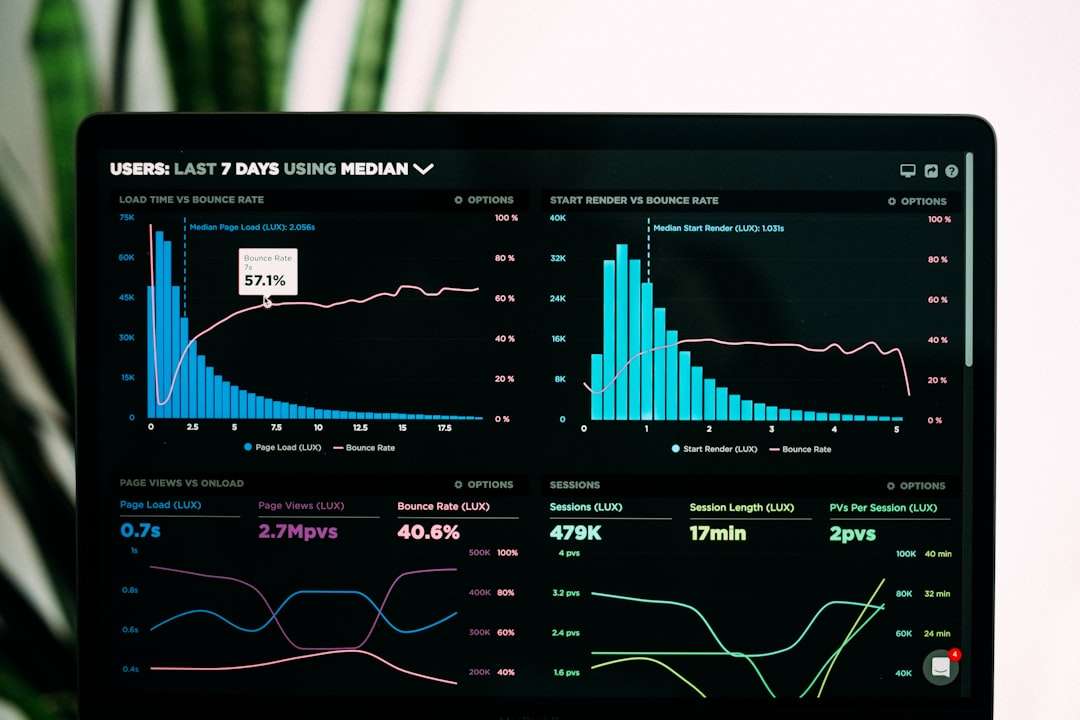
You get clear reports. Easy charts. Real insights.
5. Payment and Contracts
Let’s talk money.
Paying influencers manually can get tricky. Different rates. Different currencies. Different timelines.
Management solutions often include payment tracking and contract storage.
You can:
- Track agreed fees
- Schedule payments
- Store contract documents
- Monitor campaign budgets
This reduces accounting headaches.
Benefits for Different Team Sizes
These tools are not just for huge brands.
Small Teams
If you are a small team, you wear many hats.
You might handle:
- Content
- Ads
- Email marketing
- Social media
- Influencer partnerships
A management solution saves time. It automates repetitive tasks. It keeps everything organized without extra staff.
Mid-Size Companies
At this stage, campaigns grow bigger.
You may run influencer programs across multiple platforms.
A centralized system keeps different team members aligned. Everyone sees the same data. Everyone knows the same deadlines.
Enterprise Brands
Large brands may work with hundreds of influencers globally.
They need scalability.
Advanced platforms support:
- Multi-region campaigns
- Role-based access
- Complex approval workflows
- Deep reporting integrations
Without structured tools, it would be chaos.
Improving ROI with Better Management
Influencer marketing can deliver strong returns.
But only if managed well.
Poor tracking leads to wasted budget. Weak influencer selection leads to poor results.
Management platforms help optimize campaigns by:
- Identifying top-performing creators
- Cutting underperformers
- Adjusting strategy using real data
- Testing different content formats
Over time, your campaigns get smarter.
Your ROI improves.
And your marketing looks more strategic.
Common Challenges and How Tools Solve Them
Challenge 1: Fake Followers
Not all influencers have real audiences.
Some tools analyze audience authenticity. They flag suspicious growth. They highlight engagement patterns.
This protects your budget.
Challenge 2: Missed Deadlines
Manual tracking leads to missed posts.
Platforms send reminders. They show status updates. Everyone stays accountable.
Challenge 3: Scattered Data
Data in five different places is useless.
Management software centralizes metrics. Reporting becomes simple. Presentations to leadership become easier.
How to Choose the Right Influencer Management Solution
Not every tool fits every team.
Ask yourself these questions:
- How many influencers do we work with monthly?
- Which social platforms matter most to us?
- Do we need global support?
- What is our budget?
- Do we need deep analytics?
Look for:
- User-friendly design
- Strong customer support
- Integration with your existing tools
- Transparent pricing
A good platform should feel simple. Not overwhelming.

The Human Side Still Matters
Here is something important.
Software helps. But relationships win.
Influencer marketing is still about trust. Creativity. Authentic storytelling.
Management tools are there to support humans, not replace them.
Brands should still:
- Build real relationships
- Respect creators
- Allow creative freedom
- Communicate clearly
Use the platform to handle logistics. Use your team to build connection.
Future Trends in Influencer Management
The landscape keeps evolving.
Here are trends shaping the future:
- AI-powered influencer matching
- Predictive performance analytics
- Deeper ecommerce integration
- Automation of contracts and compliance
- Cross-platform campaign tracking
We will also see more focus on micro and nano influencers. Smaller audiences. Higher trust. Stronger niche communities.
Management tools must adapt to support these shifts.
Final Thoughts
Influencer marketing is no longer a side experiment. It is a core strategy.
Modern marketing teams need structure. They need speed. They need insights.
Influencer management solutions deliver all three.
They replace messy spreadsheets. They reduce stress. They turn creative partnerships into measurable growth.
If your team works with influencers regularly, investing in the right system is not optional anymore.
It is essential.
Because in today’s social-first world, the brands that manage influencers well are the brands that win.
