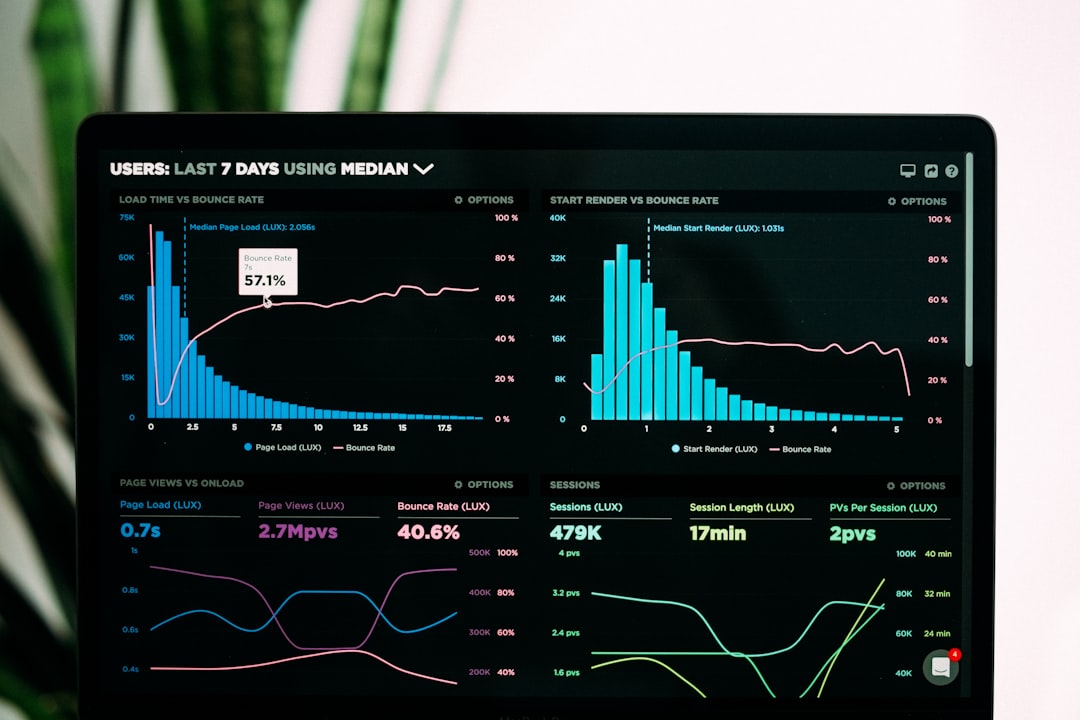
The rapid expansion of connected systems has transformed how businesses and industries operate. From smart cities and industrial automation to healthcare monitoring and retail analytics, the Internet of Things (IoT) is reshaping operational efficiency and customer experiences. But as the number of connected devices grows into the thousands or even millions, managing them securely and efficiently becomes a serious challenge. This is where powerful IoT device management tools play a critical role, helping organizations streamline operations, maintain security, and scale confidently.
TLDR: IoT device management tools help organizations onboard, monitor, secure, and update connected devices at scale. The right platform simplifies provisioning, automates updates, and ensures real-time visibility into system health. In this article, we explore four powerful IoT device management tools and examine how they support modern connected systems. Choosing the right solution depends on your infrastructure needs, scalability goals, and security requirements.
Why IoT Device Management Matters
Connected ecosystems generate enormous volumes of data and involve complex device interactions. Without centralized control, companies risk device downtime, security vulnerabilities, and data inconsistencies. IoT device management platforms provide:
- Secure onboarding and provisioning of devices
- Remote monitoring and diagnostics
- Automated firmware and software updates
- Real-time performance tracking
- Lifecycle management from deployment to decommissioning
These capabilities are essential for industries relying on mission-critical systems, such as manufacturing, logistics, energy, healthcare, and smart infrastructure.

1. AWS IoT Device Management
AWS IoT Device Management is a cloud-based solution designed to simplify fleet management for IoT devices at any scale. Built as part of the Amazon Web Services ecosystem, it integrates seamlessly with other cloud services, making it suitable for enterprises already invested in cloud infrastructure.
Key Features
- Bulk provisioning to register and configure large numbers of devices quickly
- Device registry for organizing and indexing device metadata
- Secure tunneling for remote troubleshooting
- Over the air (OTA) updates to maintain firmware security
- Device Defender integration for enhanced security auditing
One of its greatest strengths is scalability. Whether you manage hundreds or millions of devices, the infrastructure can expand without requiring architectural redesign. In addition, built-in analytics allow teams to detect anomalies and automate responses in real time.
Best for: Enterprises operating large-scale, cloud-centric IoT deployments that require deep integration with analytics and data services.
2. Microsoft Azure IoT Hub
Microsoft Azure IoT Hub offers a comprehensive device management solution designed to connect, monitor, and control IoT assets securely. It supports bi-directional communication between cloud services and devices, allowing real-time synchronization and updates.
Key Features
- Device twins for representing device state in the cloud
- Automatic device provisioning service (DPS)
- Built-in security features with per-device authentication
- Edge computing support for local data processing
- Integration with analytics and AI tools
The “device twin” concept stands out. It creates a digital representation of each physical device, enabling administrators to view configuration states, monitor performance, and apply updates remotely. This is particularly helpful for distributed operations like transportation fleets or smart retail chains.
Azure also supports hybrid deployments, making it a flexible solution for organizations transitioning gradually from on-premises systems to the cloud.
Best for: Businesses seeking hybrid flexibility, advanced analytics, and strong integration with productivity and enterprise ecosystems.
3. Google Cloud IoT (via Partner Ecosystems)
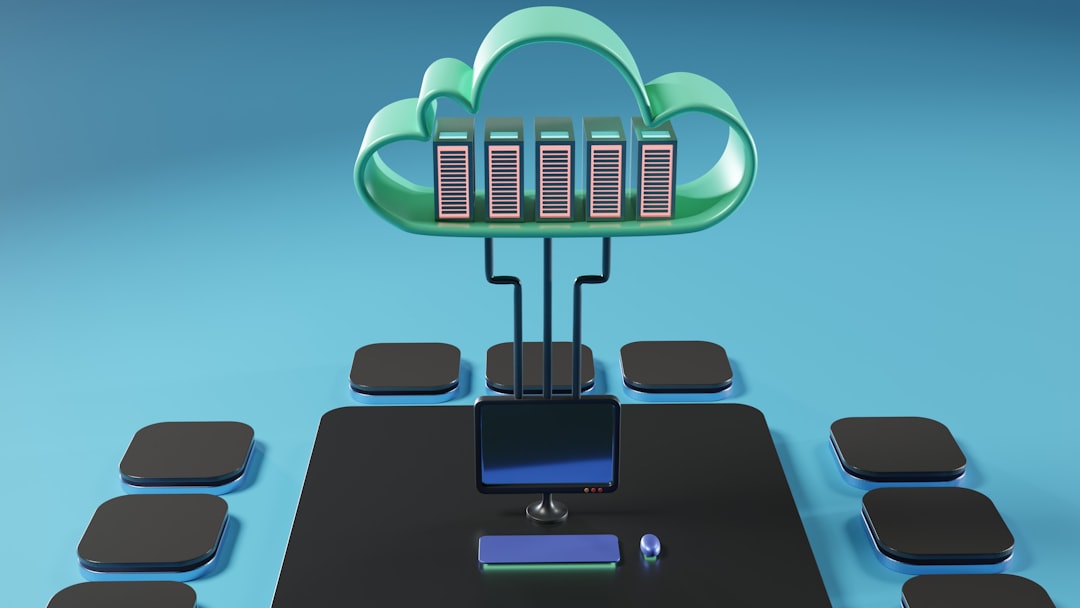
While Google transitioned from maintaining a standalone IoT Core service, its IoT device management capabilities continue through partner ecosystems and integrated cloud solutions. Organizations use Google Cloud’s data processing, AI, and infrastructure tools alongside partner platforms to create powerful IoT management environments.
Key Features
- Scalable data ingestion pipelines
- Advanced analytics and machine learning
- Strong API integration capabilities
- Event driven architectures for automation
- Real-time monitoring dashboards
What differentiates Google’s approach is its data-first mindset. Once device data enters the cloud, organizations can leverage advanced analytics, AI modeling, and visualization tools. For example, manufacturers can use predictive maintenance algorithms to detect equipment failure before breakdowns occur.
Although device provisioning often relies on third-party management services, integration into Google’s infrastructure enables exceptional scalability and data-driven insights.
Best for: Organizations heavily focused on data analytics, AI-powered insights, and event-driven IoT applications.
4. IBM Watson IoT Platform
IBM Watson IoT Platform combines device management capabilities with cognitive computing and AI-powered analytics. It emphasizes intelligent automation and deep insights across complex environments.
Key Features
- Centralized device management dashboard
- Secure device onboarding
- AI-driven anomaly detection
- Rule-based automation
- Integration with enterprise systems
A notable advantage is Watson’s AI engine, which can analyze device behavior patterns and recommend corrective actions automatically. In settings such as energy grids or industrial plants, proactive insights can significantly reduce downtime and maintenance costs.
The platform is particularly strong in regulated industries where governance, compliance monitoring, and structured workflows are essential.
Best for: Enterprises requiring AI-driven monitoring, strong compliance support, and deep enterprise integration.
Image not found in postmetaCore Capabilities to Compare
When evaluating IoT device management tools, consider the following critical areas:
- Scalability: Can the platform handle rapid device growth?
- Security: Does it offer encryption, authentication, and threat detection?
- Remote Management: Are OTA updates and remote diagnostics supported?
- Integration: Does it connect easily with analytics, CRM, ERP, and AI systems?
- Edge Support: Can it process data locally for latency-sensitive operations?
Industries like healthcare may prioritize security and compliance, while logistics companies may emphasize real-time monitoring and edge computing.
Emerging Trends in IoT Device Management
The IoT landscape continues evolving, introducing new challenges and opportunities. Several trends are shaping the future of device management:
- Edge intelligence: Processing data closer to devices reduces latency and bandwidth usage.
- Zero trust security models: Continuous verification replaces perimeter-based security.
- AI-driven automation: Systems self-detect issues and apply fixes autonomously.
- Digital twins: Enhanced simulations mirror real-world operations for predictive modeling.
- Sustainability tracking: Monitoring energy usage and carbon footprint across connected systems.
As connected systems expand into smart infrastructure and autonomous operations, the ability to manage devices securely and intelligently becomes a competitive differentiator.
Choosing the Right Tool for Your Connected Ecosystem
No single IoT device management solution fits every organization. The right choice depends on:
- Existing cloud infrastructure
- Compliance requirements
- Budget constraints
- Device volume and geographic distribution
- Long-term scalability goals
Businesses that already rely on a specific cloud provider often benefit from choosing that ecosystem’s IoT management tools due to seamless integration. However, specialized platforms may offer stronger support for niche use cases such as manufacturing automation or healthcare monitoring.
Before committing, many organizations conduct pilot deployments to test device enrollment, firmware updating workflows, monitoring dashboards, and incident response processes.
Final Thoughts
As IoT deployments grow more sophisticated, device management becomes the backbone of operational resilience. Effective platforms provide visibility, security, automation, and scalability in one unified interface. Whether leveraging AWS for large-scale cloud operations, Azure for hybrid flexibility, Google for analytics-driven insights, or IBM for AI-powered intelligence, the goal remains the same: reliable control over connected systems.
Investing in the right IoT device management tool ensures that connected ecosystems remain secure, adaptable, and future-ready. In a world powered by smart devices, successful management is not just a technical necessity—it is a strategic advantage.
