
Modern software is alive. It breathes through APIs. It sweats under traffic spikes. It groans when databases slow down. If you want your systems to stay healthy, you need to watch them closely. That is where observability platforms come in. They help you see what is happening inside your apps, servers, containers, and networks. In real time.
TLDR: Observability platforms help you track logs, metrics, and traces so you can spot issues fast. They turn messy system data into clear dashboards and alerts. In this article, we look at four popular platforms: Datadog, New Relic, Grafana, and Dynatrace. Each one helps you understand system health in simple and powerful ways.
Let’s break it down. But first, a quick idea.
Observability is about answering questions you did not even know you had. Why is checkout slow? Why did CPU spike at 2 a.m.? Why are customers in Europe seeing errors? A good platform helps you find the “why” quickly.
1. Datadog
Datadog is like a control tower for your cloud systems. Everything flows into one place. Metrics. Logs. Traces. Even security signals.
It connects easily with cloud providers like AWS, Azure, and Google Cloud. It also works well with containers like Docker and Kubernetes.
Why people like it:
- All-in-one dashboards. You can see servers, databases, and apps on one screen.
- Real-time alerts. Get notified when CPU, memory, or latency crosses a limit.
- Strong integrations. Hundreds of built-in integrations.
- Clean UI. It looks modern and is easy to explore.
Imagine your website slows down. With Datadog, you can:
- Check server CPU usage.
- Look at database query time.
- Trace one slow user request across services.
All from one place. No guessing.
Another cool feature is distributed tracing. This shows how one request moves through microservices. If one service is slow, you see it instantly.
Datadog also shines in cloud-native environments. If your system scales up and down every hour, it keeps up. Auto-scaling? No problem.
Best for: Teams running cloud-heavy systems that want strong integrations and fast setup.
2. New Relic
New Relic has been around for years. It started with application performance monitoring. Now, it does much more.
Think of New Relic as a deep health scanner. It looks inside your application code. Not just the server around it.
What makes it powerful:
- Application monitoring. See how each function performs.
- Error tracking. Spot bugs before users complain.
- Custom dashboards. Build views that fit your team.
- User insights. Track real user interactions.
Let’s say users report a slow checkout page. With New Relic, you can:
- See which function takes the longest.
- Identify slow database queries.
- Connect errors to specific code deployments.
It also offers something called Full Stack Observability. That means metrics, logs, traces, and events all connected.
One helpful feature is deployment tracking. If performance drops after a release, you can see it right away. No more guessing if the new version caused the issue.
New Relic also gives generous free tiers. That makes it beginner-friendly.
Best for: Developers who want deep visibility into application code and performance.
3. Grafana (with Prometheus)
Grafana is a favorite in the open-source world. It is flexible. Very flexible.
Grafana itself is mainly a visualization tool. It creates beautiful dashboards. To collect metrics, many teams pair it with Prometheus.
Together, they are powerful.
Why teams love Grafana:
- Custom dashboards. Build almost anything you imagine.
- Open-source roots. Huge community support.
- Multiple data sources. Connect to many tools.
- Clear visualizations. Graphs are simple and sharp.
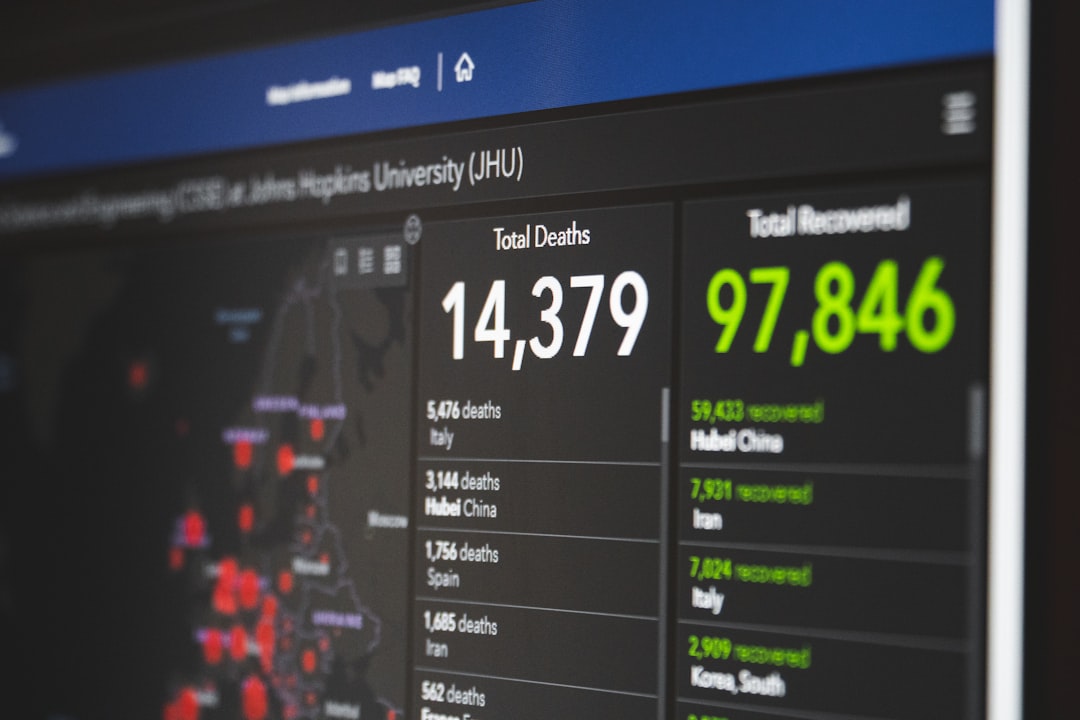
Grafana dashboards can show:
- CPU and memory usage.
- API response times.
- Network traffic patterns.
- Custom business metrics.
If something breaks, alerts can trigger notifications via email, Slack, or other tools.
Prometheus works by scraping metrics from services at regular intervals. It stores time-series data. This makes it great for trend analysis.
Want to see how memory usage changed over 30 days? Easy.
Want to zoom into a five-minute spike? Also easy.
The trade-off? It takes more setup. It is not always plug-and-play. But if you like control, you will enjoy it.
Best for: Engineering teams who love customization and open-source tools.
4. Dynatrace
Dynatrace focuses on automation and AI-driven insights. It does not just show data. It explains it.
This platform uses an AI engine to detect patterns and anomalies. That means fewer manual checks.
Key strengths:
- Automatic discovery. It maps your whole environment.
- AI root cause analysis. Finds the source of problems.
- Enterprise-ready. Works well in large organizations.
- Strong cloud support. Built for modern systems.
Imagine a large system with hundreds of services. An outage happens. Instead of combing through dashboards, Dynatrace’s AI highlights the likely root cause.
For example:
- A specific microservice fails.
- It increases database load.
- That slows down checkout.
Dynatrace connects the dots automatically.
It also creates a live dependency map. You can see how services connect. This helps during incidents. It also helps when planning changes.
Large enterprises like this because it reduces noise. Fewer false alarms. More clarity.
Best for: Big systems that need smart automation and deep visibility.
How to Choose the Right One
All four platforms are strong. But they fit different needs.
Ask yourself:
- Are we cloud-native?
- Do we want open-source or managed?
- Do we need deep code insights?
- How large is our system?
- What is our budget?
Here is a simple comparison:
- Datadog: Easy setup. Strong integrations. Great for cloud apps.
- New Relic: Deep application focus. Developer-friendly.
- Grafana + Prometheus: Customizable. Open-source. Flexible.
- Dynatrace: AI-driven. Enterprise-grade. Automated insights.
There is no single winner. The best platform is the one your team will actually use every day.
Why Observability Matters More Than Ever
Systems today are complex. Microservices. Containers. Serverless functions. Third-party APIs.
One small glitch can ripple across the system.
Without observability, troubleshooting feels like guesswork. With observability, it feels like detective work. You follow clues. You see patterns. You solve issues faster.
Good observability leads to:
- Less downtime.
- Happier users.
- Faster deployments.
- More confident teams.
It also improves collaboration. Developers, operations, and security teams can share the same data. No more finger-pointing.
When everyone sees the same dashboard, conversations get simpler.
Final Thoughts
Tracking system health is not optional anymore. It is essential.
Datadog makes cloud monitoring smooth and connected. New Relic dives deep into application performance. Grafana offers flexibility and beautiful dashboards. Dynatrace brings AI into the mix.
Each platform helps you answer key questions:
- Is our system healthy?
- If not, what broke?
- How fast can we fix it?
Pick the one that fits your team’s style and goals. Start small if needed. Grow over time.
Because in the end, healthy systems mean happy users. And happy users mean a successful business.
And that is something worth observing.
