
Modern agencies operate in an environment defined by tight deadlines, distributed teams, demanding clients, and increasingly complex deliverables. For many years, Teamwork has been a popular choice for managing projects in this space. However, as agency workflows evolve, many leaders are reassessing whether it remains the best fit. From scalability and automation to reporting depth and cross-functional collaboration, today’s agencies often require more specialized or flexible solutions.
TLDR: Agencies looking for alternatives to Teamwork have several strong options depending on their size, structure, and service model. Platforms like Asana, ClickUp, Wrike, Monday.com, and Basecamp each offer distinct strengths in automation, client collaboration, reporting, and customization. The right choice depends on how your agency handles scope management, billing, resources, and cross-functional coordination. Careful evaluation of workflows and client requirements is critical before switching platforms.
Below is a strategic look at leading Teamwork project management alternatives for agencies, along with their strengths, trade-offs, and ideal use cases.
Why Agencies Look Beyond Teamwork
Teamwork is known for its built-in time tracking, billing tools, and client-facing capabilities. However, agencies may seek alternatives for several reasons:
- Advanced automation needs beyond basic task triggers
- More intuitive UI for creative or non-technical teams
- Stronger cross-department visibility
- More flexible reporting dashboards
- Improved integrations with CRM, finance, or marketing systems
As agencies scale, workflow complexity increases. Campaign launches, sprint cycles, design reviews, client approvals, and billing milestones often intersect. The following platforms offer compelling features designed to address these challenges.
1. Asana
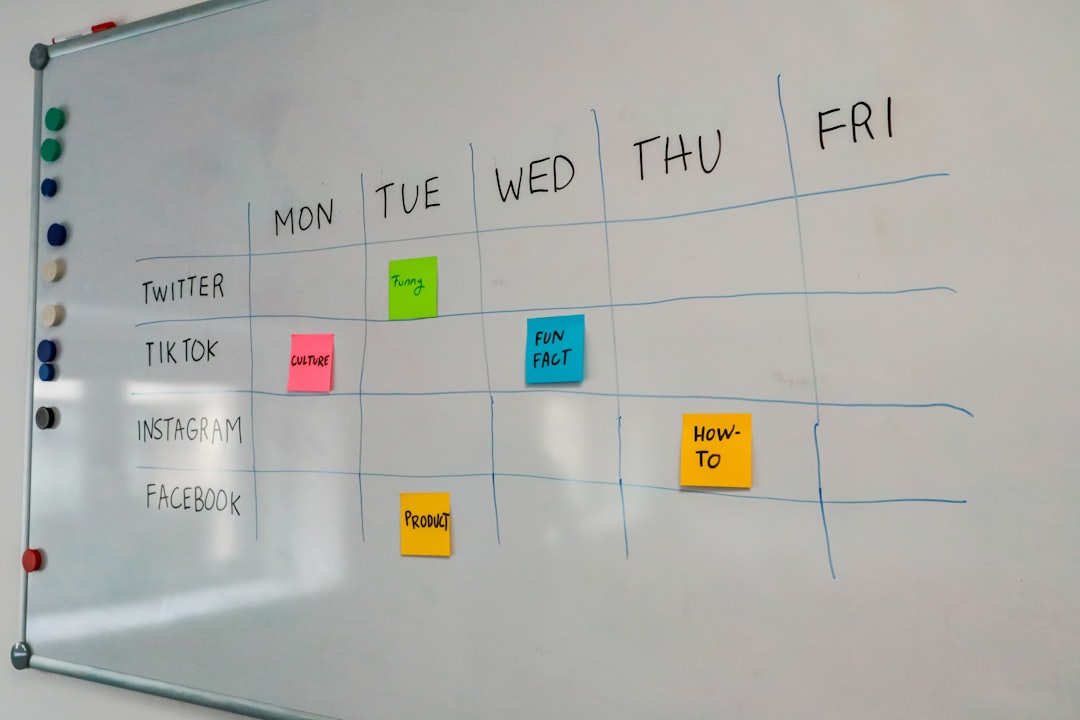
Asana is widely adopted by marketing and creative agencies seeking structured yet flexible task management. It balances usability with powerful workflow automation.
Key Strengths:
- Advanced workflow automation rules
- Multiple project views (list, board, timeline, workload)
- Strong cross-team coordination features
- Highly refined user interface
Best for: Mid-sized to large agencies managing interdepartmental campaigns and needing clarity across creative, marketing, and operations teams.
Considerations: Native time tracking is limited compared to some alternatives, and client-facing tools are less comprehensive without integrations.
2. ClickUp
ClickUp positions itself as an all-in-one productivity platform. For agencies seeking deep customization, it is frequently viewed as a direct and feature-rich substitute for Teamwork.
Key Strengths:
- Extensive customization of workflows and fields
- Built-in time tracking and goal tracking
- Comprehensive dashboards
- Competitive pricing for feature depth
Best for: Agencies that need highly customized pipelines, especially those managing multiple service lines such as SEO, paid media, branding, and web development.
Considerations: Initial setup complexity may require internal documentation and onboarding investment.
3. Wrike
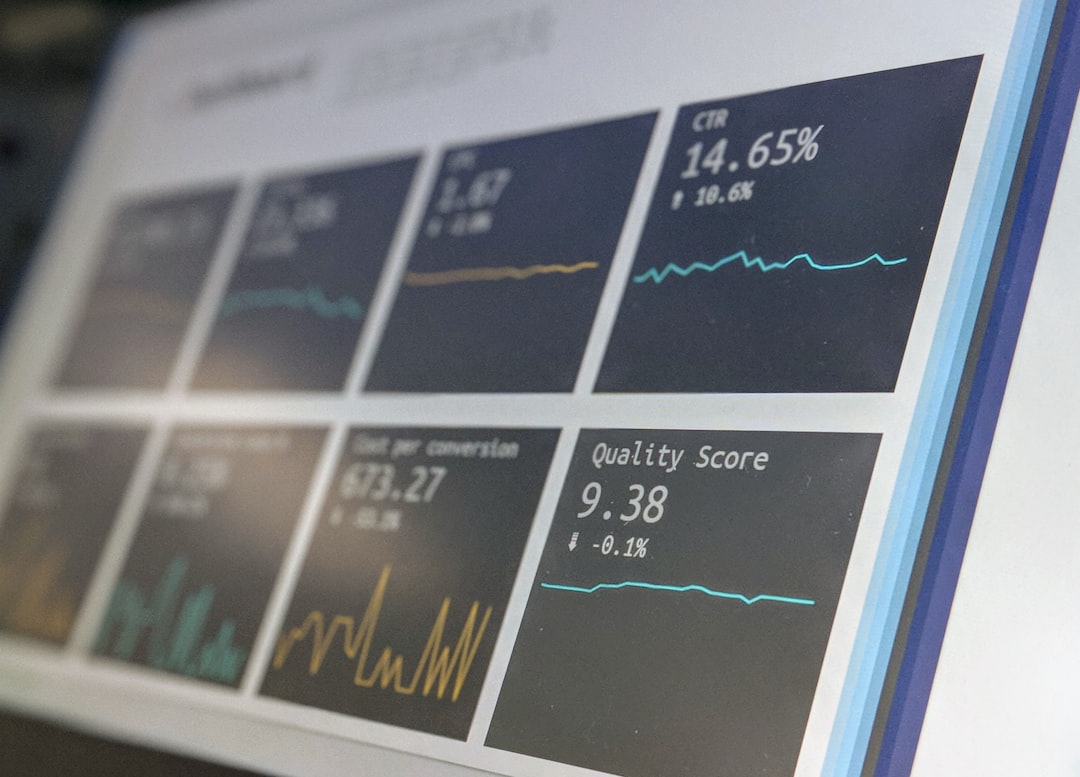
Wrike is particularly strong in resource management and advanced reporting — two areas critical for agencies operating on tight margins or retainer models.
Key Strengths:
- Advanced workload and capacity management
- Deep reporting and analytics capabilities
- Custom request forms for structured client intake
- Strong enterprise-grade scalability
Best for: Larger agencies requiring financial oversight, resource forecasting, and executive-level reporting visibility.
Considerations: Pricing can escalate as advanced features and user counts increase.
4. Monday.com
Monday.com is known for its visually intuitive dashboards and flexible board-based system. It is especially appealing to agencies that value transparency and stakeholder visibility.
Key Strengths:
- Highly visual project boards
- Strong automation builder
- CRM and project management hybrid capabilities
- Client-friendly reporting views
Best for: Agencies that want a blend of CRM and delivery workflows within one tool.
Considerations: Deep reporting and budgeting tools may require higher-tier plans.
5. Basecamp
Basecamp takes a minimalist approach to project management. It focuses on communication clarity rather than complex workflow engineering.
Key Strengths:
- Simple and clear interface
- Strong internal communication structure
- Flat pricing model
- Minimal learning curve
Best for: Smaller agencies or boutique firms prioritizing simple collaboration over layered automation.
Considerations: Limited advanced reporting, workflow customization, and resource tracking.
6. Smartsheet
Smartsheet combines spreadsheet logic with project management features. Agencies comfortable with data-driven planning often prefer its analytical flexibility.
Key Strengths:
- Spreadsheet-style control
- Strong reporting and dashboards
- Enterprise-grade automation
- High-level portfolio oversight
Best for: Agencies requiring structured budget forecasting, portfolio tracking, and executive-level reporting.
Considerations: Less intuitive for creative teams unfamiliar with spreadsheet-based tools.
Visual Collaboration and Workflow Comparison
| Platform | Time Tracking | Automation Depth | Reporting | Resource Management | Ease of Use | Best For |
|---|---|---|---|---|---|---|
| Asana | Limited native | Strong | Good | Moderate | High | Cross-functional marketing agencies |
| ClickUp | Built-in | Very strong | Advanced | Moderate | Moderate | Highly customized agency workflows |
| Wrike | Built-in | Strong | Very advanced | Excellent | Moderate | Large, resource-driven agencies |
| Monday.com | Available | Strong | Advanced (higher tiers) | Moderate | High | CRM and delivery hybrid teams |
| Basecamp | No native | Limited | Basic | Limited | Very high | Boutique agencies prioritizing simplicity |
| Smartsheet | Available | Strong | Very advanced | Strong | Moderate | Data-driven, enterprise agencies |
Key Considerations Before Switching
Transitioning project management systems in an agency environment is a significant operational decision. Executives should evaluate:
1. Client Visibility Requirements
Some agencies provide full dashboard access to clients, while others prefer curated reports. Platforms vary in their ability to safely expose real-time project data without compromising internal workflows.
2. Billing and Retainer Management
If time tracking and invoicing are deeply embedded in operations, ensure the chosen tool supports either native billing features or integrates seamlessly with accounting software.
3. Resource Allocation and Capacity Planning
Growing agencies must avoid team burnout and underutilization. Tools with workload views and forecasting reports offer measurable financial advantages.
4. Automation and Process Standardization
Automated task assignments, status triggers, and approval pathways can significantly reduce management overhead. The more complex the service offerings, the more valuable this becomes.
5. Scalability
Agencies should select software that supports projected growth for at least three to five years. Frequent platform migration creates operational friction and data fragmentation.
Strategic Implementation Best Practices
Choosing the right alternative is only part of the solution. Successful implementation requires:
- A structured onboarding plan
- Clear documentation of workflows
- Defined ownership of platform administration
- Phased migration of active projects
- Team training and feedback loops
Agencies that treat implementation as a transformation initiative — rather than a software swap — typically achieve higher ROI.
Conclusion
There is no universal replacement for Teamwork that fits every agency equally. Each alternative offers distinct advantages depending on operational priorities, team size, reporting complexity, and client interaction style.
Asana and Monday.com excel in visual collaboration and cross-functional clarity. ClickUp offers unparalleled customization. Wrike and Smartsheet provide enterprise-level reporting and forecasting capabilities. Basecamp delivers simplicity for smaller teams.
Ultimately, agencies should not evaluate platforms solely based on features. The decisive factor is alignment between the software’s architecture and the agency’s service model. A carefully selected and properly implemented project management system becomes more than an operational tool — it becomes a strategic asset that improves delivery quality, financial oversight, and long-term scalability.
