
The question of whether Mafia: The Old Country is truly open world has sparked considerable debate among fans of the long-running crime franchise. With each new entry, expectations grow—not only for cinematic storytelling and historical authenticity, but also for immersive, explorable environments. As details continue to emerge, it is important to separate speculation from confirmed information and analyze how the game’s structure compares to both its predecessors and modern open-world standards.
TLDR: Mafia: The Old Country is expected to feature a semi-open world rather than a fully unrestricted sandbox. Early gameplay details suggest a story-driven structure with large, explorable environments instead of a completely dynamic open city. The map appears extensive and richly detailed, but exploration will likely be guided by narrative progression. Fans should expect a balance between freedom and focused storytelling rather than a GTA-style open world.
Understanding the “Open World” Question
Before evaluating Mafia: The Old Country, it is important to define what “open world” truly means in modern gaming. In its strictest sense, an open-world game allows players to:
- Freely explore a large map from early in the game
- Engage in side activities independently of the main story
- Influence the world dynamically through choices and actions
- Interact with systems such as NPC routines, economy, or law enforcement
Previous entries in the Mafia series have often been described as open city games rather than fully systemic open worlds. While they offered expansive environments, the design philosophy prioritized tight narrative sequencing over sandbox experimentation. Understanding this distinction is critical when examining the newest installment.
Is Mafia: The Old Country Fully Open World?
Based on developer interviews and early gameplay showcases, Mafia: The Old Country is not a completely freeform open-world game in the style of Grand Theft Auto. Instead, it appears to follow a structured narrative framework with large connected regions that unlock progressively.
This design choice aligns with the franchise’s history. The Mafia series has traditionally emphasized:
- Strong character-driven storytelling
- Linear mission progression
- Historically grounded environments
- Authentic period detail over sandbox chaos
Rather than allowing players unrestricted freedom from the outset, the new title appears to integrate exploration within the boundaries of its story arcs. This suggests a semi-open world model—sometimes described as a “hub-based open world.”
Map Design and Regional Structure
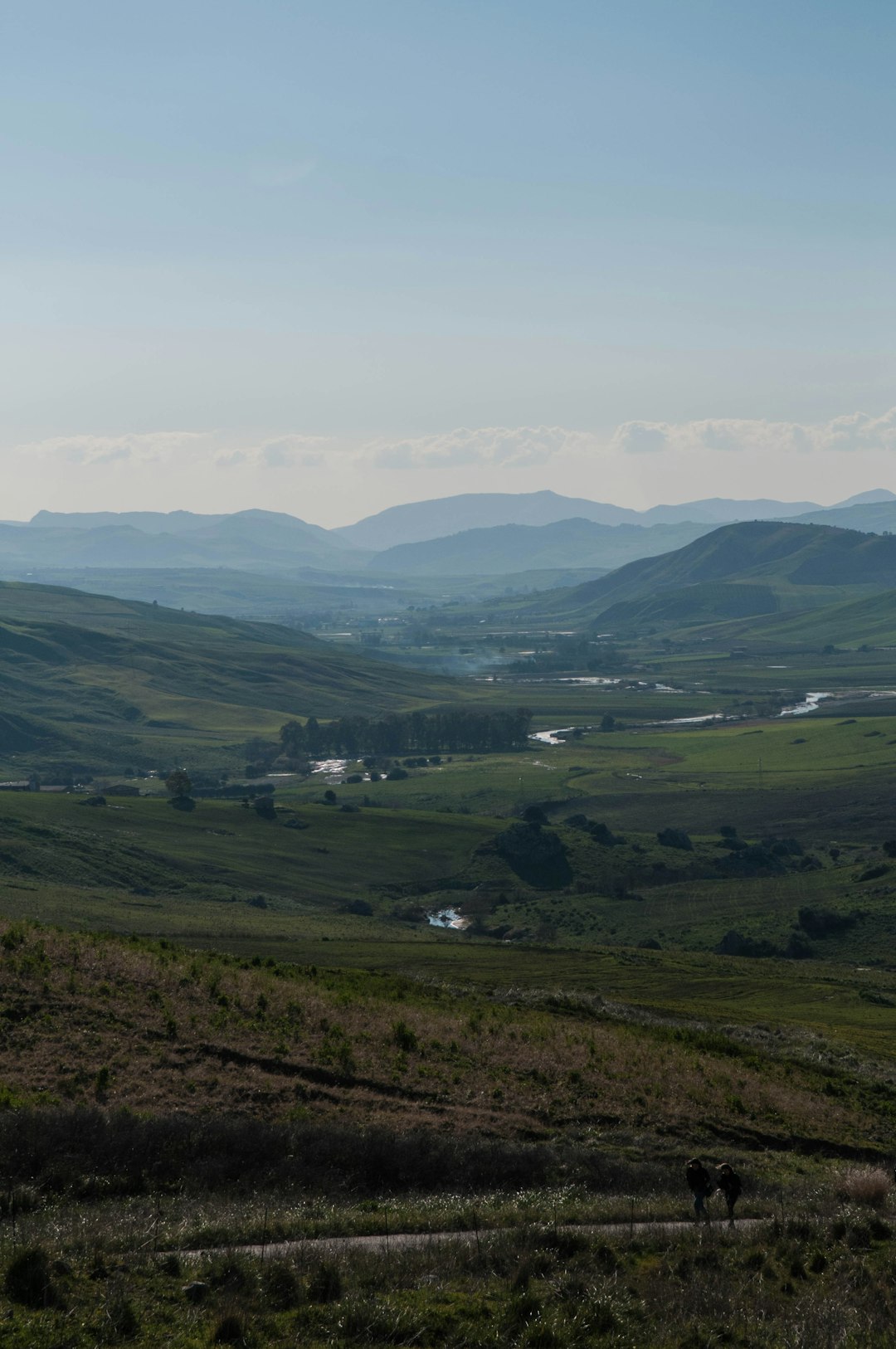
The game is set in early 20th-century Sicily, marking a significant departure from the American urban environments of previous entries. Instead of a single dense metropolitan city, players will reportedly explore a mix of:
- Rural countryside
- Small villages
- Coastal towns
- Agricultural estates
- Mountain passes
This change in setting has major implications for openness. Rural landscapes naturally encourage broader traversal systems, including horseback riding and early automobiles. However, early footage indicates that certain areas may be restricted until specific story missions are completed.
Image not found in postmetaUnlike sprawling American grids filled with skyscrapers, Sicily’s terrain allows for more verticality and environmental storytelling. Roads appear less linear, with branching paths and hidden side routes—potentially opening opportunities for optional exploration.
Mission Structure and Gameplay Flow
Historically, Mafia titles have followed a clear mission-based structure. Players start a mission, complete objectives in order, and progress to the next chapter. Free roaming typically exists between missions but does not fundamentally alter the narrative.
Early information suggests The Old Country retains this DNA while expanding environmental immersion. The core gameplay loop appears to include:
- Story missions with cinematic presentation
- Optional side contracts tied to faction influence
- Traversal-based exploration between settlements
- Dynamic encounters during travel
While side activities may offer greater freedom than in earlier entries, they do not seem to dominate the design philosophy. The game’s pacing reportedly prioritizes dramatic tension and character development over sandbox experimentation.
How Large Is the Map?
Exact dimensions have not been officially published, but industry insiders suggest the playable area is larger than Mafia II’s Empire Bay, though potentially less dense than Mafia III’s New Bordeaux.
Rather than focusing purely on square mileage, the development team appears to have concentrated on environmental detail and realism. A countryside setting naturally reduces density but increases atmospheric scale.
Key expected map characteristics:
- Natural landscapes dominating urban density
- Authentic early 1900s architecture
- Fewer high-rise environments
- Expansive road networks between settlements
- Secluded hideouts and estates
Comparison With Previous Mafia Titles
| Feature | Mafia: Definitive Edition | Mafia II | Mafia III | Mafia: The Old Country |
|---|---|---|---|---|
| Setting | 1930s American City | 1940s-50s City | 1960s Southern City | Early 1900s Sicily |
| Map Type | Open City, Linear Missions | Semi Open City | Large Open World | Semi Open Rural Regions |
| Free Roam Emphasis | Limited | Moderate | High | Moderate |
| Side Activities | Minimal | Moderate | Extensive | Expanded but Story Focused |
This comparison highlights that The Old Country appears closer in design philosophy to Mafia II than to Mafia III, which leaned heavily into open-world systems.
Traversal Mechanics and World Interaction
A defining element of open-world design is movement. Sicily’s early 1900s backdrop introduces transportation methods rarely seen in modern crime games:
- Horseback riding
- Horse-drawn carriages
- Early automobiles
- On-foot traversal through rugged terrain
These mechanics fundamentally shape how “open” the world feels. Long countryside journeys may create a sense of scale, even if certain areas remain narratively locked.
Additionally, environmental interactions—such as destructible objects, reactive townspeople, and faction-controlled territories—will determine whether the world feels alive or merely decorative.
Side Activities and Emergent Gameplay
True open worlds often rely on emergent systems. In Mafia III, territory takeovers and racketeering operations gave players structural freedom. However, the repetitiveness of those activities drew criticism.
The Old Country appears to adopt a more measured approach. Rather than flooding the map with repetitive objectives, reports suggest side content will be:
- Character-driven
- Historically contextual
- Integrated into faction politics
- Limited but meaningful
If implemented well, this balance could satisfy players who enjoy exploration without sacrificing pacing.
Narrative Integration: The Core Identity
The most important factor in determining openness is developer intent. Mafia games have always prioritized cinematic storytelling over player autonomy. The Old Country’s narrative reportedly explores the origins of organized crime in Sicily, grounding events in cultural and historical realism.
This serious tone suggests a deliberate structure rather than a chaotic sandbox. Missions are likely to flow logically from one region to another, unfolding like chapters in a crime epic.
In other words, the map serves the story—not the other way around.
How Open Does It Feel in Practice?
Openness is not solely about map size or freedom from restrictions. It is about player perception. Wide horizons, optional paths, and environmental detail can create a strong illusion of freedom even within controlled systems.
If The Old Country offers:
- Seamless region transitions
- Multiple mission approaches
- Organic travel without constant loading screens
- Optional exploration incentives
Then it will “feel” open—even if technically structured.
Final Verdict: Open World or Not?
Mafia: The Old Country is best described as a semi-open narrative-driven experience. It is not a fully dynamic sandbox in the vein of GTA or Red Dead Redemption 2. Instead, it expands on the franchise’s traditional open-city format with broader rural environments and more layered exploration.
Players seeking unrestricted chaos may find it restrained. However, those who value:
- Historical authenticity
- Strong storytelling
- Atmospheric world-building
- Purposeful exploration
Are likely to appreciate its focused approach.
Ultimately, Mafia: The Old Country appears to strike a careful balance: expansive enough to immerse, structured enough to maintain narrative intensity. Rather than redefining the open-world genre, it refines what the Mafia series has always done best—delivering a grounded, serious crime epic set against a meticulously crafted historical backdrop.
