
Few modern action games have sparked as much curiosity as Stellar Blade. With its striking sci-fi visuals, fluid combat animations, and cinematic presentation, many players have naturally asked: is this an expansive open-world adventure or a more focused, linear experience? The answer isn’t entirely black and white. While the game features exploration and semi-open environments, it does not follow the traditional open-world formula seen in titles like Horizon Forbidden West or Elden Ring.
TL;DR: Stellar Blade is not a fully open-world game. Instead, it features a semi-open, hub-based structure with large explorable zones connected through a linear storyline. Players can explore sizable areas, complete side quests, and backtrack, but the game maintains a focused narrative progression. It blends open exploration elements with tightly designed action gameplay.
Understanding Open World vs. Semi-Open World
Before diving into how Stellar Blade is structured, it helps to clarify what “open world” actually means. In gaming terms, an open-world title typically includes:
- A massive, seamless map with minimal loading screens
- High player freedom to tackle objectives in any order
- Numerous side activities scattered organically across the map
- Dynamic events that occur independently of the main story
By contrast, a semi-open or hub-based game includes:
- Large but segmented areas
- A clear narrative progression path
- Optional side content within contained zones
- Backtracking opportunities after unlocking abilities
Stellar Blade aligns far more closely with the second category.
The Core Structure of Stellar Blade
At its heart, Stellar Blade is a story-driven action RPG built around structured chapters. Players control Eve as she ventures through post-apocalyptic environments filled with hostile creatures and remnants of humanity. Rather than dropping players into a massive uninterrupted map, the game divides its world into distinct regions.
These regions include:
- Urban ruins overtaken by alien threats
- Industrial wastelands
- Desert expanses
- Interior facilities with tight, linear level design
Some of these zones are expansive and encourage exploration, while others are more tightly crafted and cinematic.
Image not found in postmetaHub Areas and Large Zones
One of the most important structural elements in Stellar Blade is the presence of hub areas. These hubs act as central safe locations where players can:
- Accept side quests
- Upgrade gear and abilities
- Purchase items
- Interact with NPCs
- Advance the main storyline
From these hubs, Eve ventures into larger connected regions. Some of these areas are surprisingly open, featuring branching paths, hidden collectibles, and optional encounters.
However, unlike a true open-world game:
- You cannot freely roam the entire planet.
- Areas are unlocked through story progression.
- Travel between regions often occurs via menus or transitions.
This approach keeps the experience focused while still giving players breathing room to explore.
Exploration: How Free Are You?
Exploration plays a meaningful role in Stellar Blade, especially in its larger zones like desert environments. Players can wander off the main objective path and discover:
- Hidden camps
- Optional minibosses
- Collectible upgrades
- Lore documents
- Side quests
Some areas even reward curiosity with unique gear upgrades or ability enhancements. However, exploration is not limitless. Invisible boundaries, environmental barriers, and enemy difficulty spikes subtly guide players toward designed paths.
The design philosophy leans toward curated exploration rather than sandbox freedom. Developers clearly want you to explore—but within crafted boundaries.
How It Compares to True Open-World Games
To clarify where Stellar Blade stands, it helps to compare it directly with traditional open-world titles.
| Feature | Stellar Blade | Typical Open-World Game |
|---|---|---|
| Seamless Massive Map | No (segmented regions) | Yes |
| Story Order Flexibility | Mostly linear | Often flexible |
| Side Quest Volume | Moderate | High |
| Backtracking | Yes | Yes |
| Fast Travel | Limited and hub-based | Usually extensive |
As shown above, Stellar Blade borrows some elements from open-world design but keeps its structure controlled and deliberate.
Level Design and Combat Focus
One reason the game avoids a fully open world is its strong emphasis on combat precision and set-piece encounters. The combat system is technical and timing-based, encouraging:
- Perfect dodges
- Parries
- Combo chains
- Ability synergy
Large empty spaces would dilute this design philosophy. Instead, enemy placement feels intentional, almost like a Soulslike-lite structure.

Boss arenas are often enclosed and cinematic, reinforcing the idea that this is a crafted experience—not a systemic open world filled with random encounters.
Mission-Based Progression
The main storyline unfolds in chapters. Each chapter typically includes:
- Story briefings in a hub
- Travel to a designated region
- Exploration and combat sequences
- A major boss fight
- Return to hub for upgrades and narrative development
This predictable loop allows players to explore without losing narrative direction. Unlike open-world games where players can ignore the main quest for dozens of hours, Stellar Blade maintains forward momentum.
Backtracking and Ability Unlocks
Interestingly, the game does introduce some light Metroidvania-style elements. As Eve gains new abilities, previously inaccessible areas become reachable. This encourages:
- Revisiting earlier zones
- Unlocking hidden collectibles
- Accessing optional bosses
However, these mechanics are supplementary. They enhance replayability and exploration but do not fundamentally change the game into an open-world experience.
Side Content and Optional Activities
Side quests in Stellar Blade vary from simple fetch missions to more elaborate narrative expansions. They often deepen the lore, particularly regarding humanity’s downfall and Eve’s mission.
Unlike giant open-world RPGs:
- The side content does not overwhelm the main narrative.
- There isn’t an endless checklist of icons on a map.
- Activities remain curated and story-relevant.
This design choice keeps pacing tight while still offering meaningful detours.
World Immersion Without Full Open Freedom
Despite not being fully open world, Stellar Blade excels at immersion. Detailed environmental storytelling, ruined architecture, and reactive sound design make each zone feel rich and lived-in.
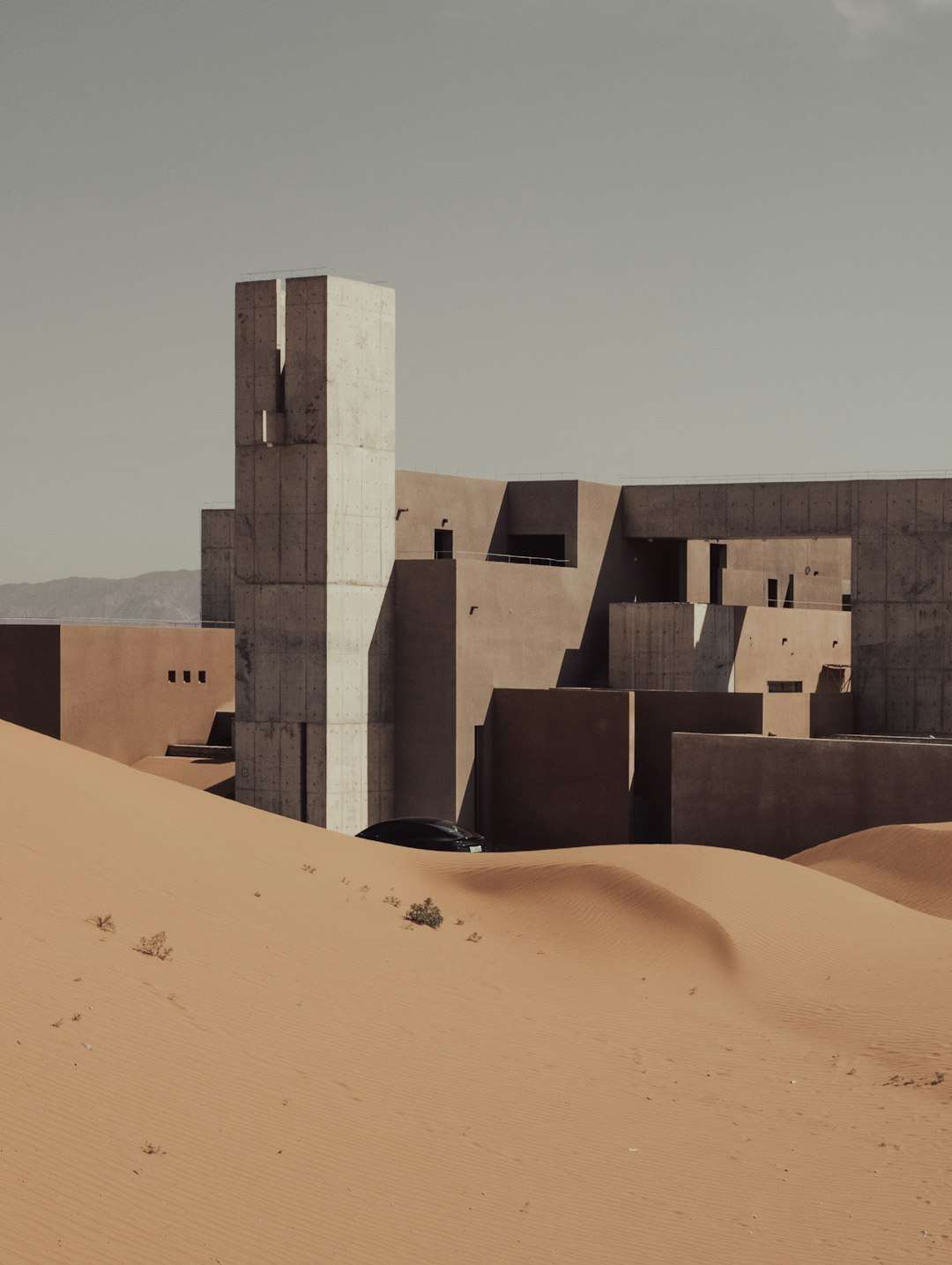
The illusion of scale is carefully crafted. Large skyboxes and distant ruined structures suggest a massive world beyond immediate reach. While you cannot visit every visible landmark, the art direction gives the impression of a broader universe.
Why Developers Chose This Structure
There are strong design reasons for avoiding a fully open format:
- Performance optimization: High-fidelity visuals benefit from controlled zones.
- Pacing control: Emotional storytelling works better in directed sequences.
- Combat balance: Curated encounters preserve difficulty integrity.
- Development focus: Resources can go toward polishing gameplay rather than building vast empty areas.
The result is a hybrid model that delivers exploration without sacrificing intensity.
So, Is Stellar Blade Open World?
The clearest answer is: No, but it borrows elements from open-world design.
It is better described as a semi-open, hub-based action RPG with large explorable regions connected through a linear narrative. Players enjoy meaningful exploration, optional content, and revisitable environments, but within deliberate boundaries.
For players who prefer tightly designed action games with room to explore—but without the overwhelming sprawl of massive open worlds—Stellar Blade strikes a compelling balance.
Final Thoughts
The gaming industry has trended heavily toward enormous open-world experiences over the past decade. Stellar Blade offers a refreshing alternative. It embraces exploration without excess, scale without emptiness, and freedom without chaos.
If you’re expecting a sandbox where you can wander endlessly in any direction, you may need to recalibrate expectations. But if you’re looking for an action-heavy, visually stunning adventure with structured progression and satisfying exploration, Stellar Blade’s gameplay structure delivers exactly that.
In the end, it’s not about whether a game is open world—it’s about whether its structure serves its design. For Stellar Blade, the semi-open approach ensures every fight, every discovery, and every story beat feels intentional.
