
Smart home technology has matured rapidly over the past decade, evolving from novelty gadgets into deeply integrated ecosystems that manage lighting, climate, security, entertainment, and energy use. In 2026, choosing the right home automation platform is less about experimenting with convenience and more about building a reliable digital infrastructure for everyday living. The best platforms now emphasize interoperability, privacy, AI-driven automation, and long-term scalability.
TLDR: The leading smart home platforms in 2026 combine strong device compatibility, AI-powered automation, and reliable security controls. Samsung SmartThings, Apple Home, Google Home, Amazon Alexa, Home Assistant, Hubitat, and Matter-based ecosystems are at the forefront. Each offers unique strengths, from privacy-first design to advanced customization or voice-first control. Choosing the right platform depends on your priorities: convenience, control, security, or future-proofing.
What Makes a Smart Home Platform “Smart” in 2026?
Modern automation platforms go beyond scheduling lights or enabling voice commands. They now leverage machine learning, cross-device communication, and predictive automation to adapt to user behavior.
- Interoperability: Support for Matter, Thread, Zigbee, Z-Wave, and Wi-Fi devices.
- Local Processing: Reduced cloud reliance for faster response and improved privacy.
- Advanced Automation: Conditional triggers based on weather, occupancy, or routines.
- Security Controls: Encrypted communication and granular user permissions.
- Scalability: Easy expansion from a few devices to full-home deployment.
Below are seven of the most reliable and forward-looking home automation platforms available in 2026.
1. Samsung SmartThings
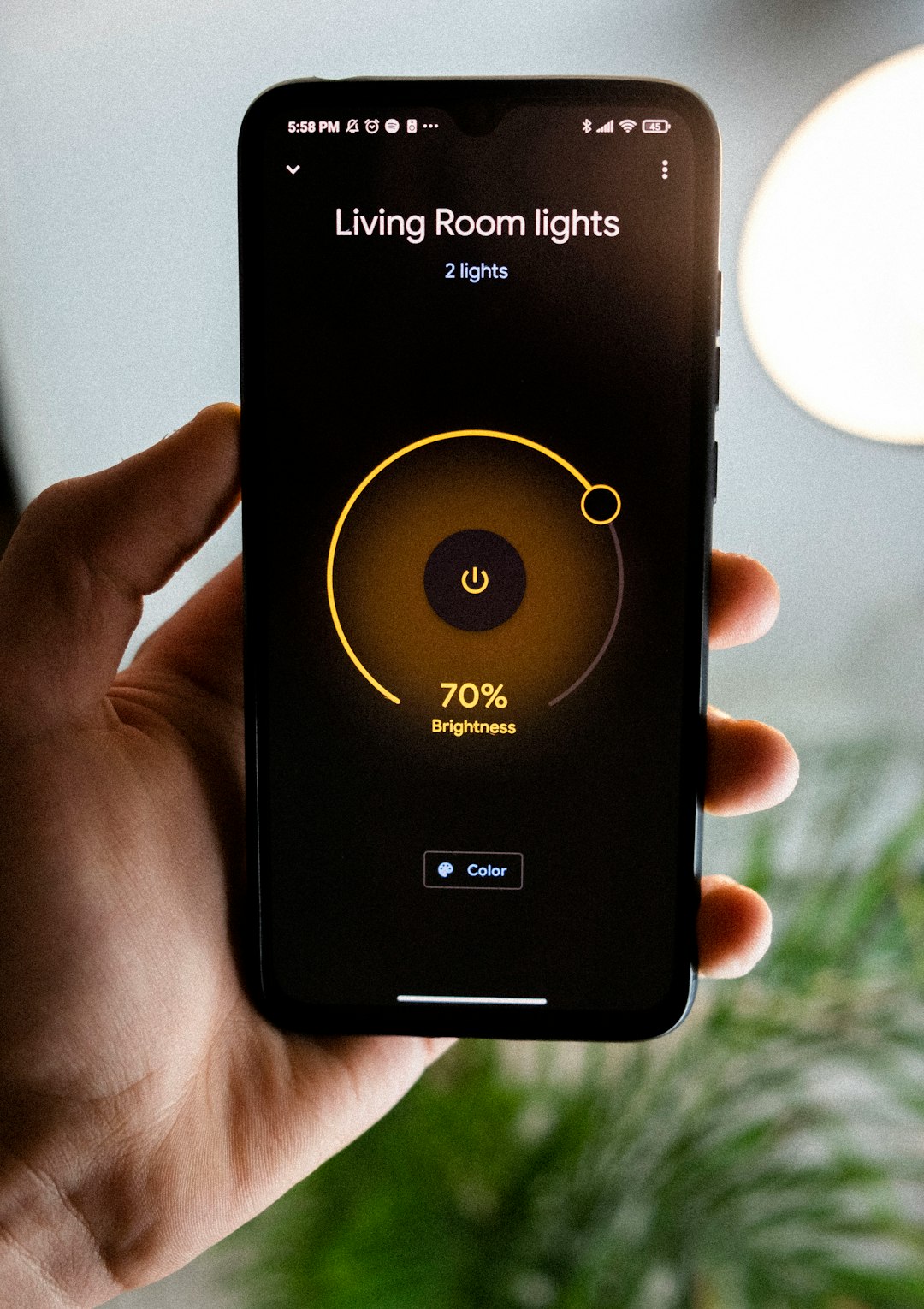
Samsung SmartThings remains one of the most versatile and widely compatible smart home ecosystems. Its continued investment in Matter integration and AI automation has reinforced its position as a market leader.
Key strengths:
- Broad third-party device support.
- Strong automation tools with nested conditions.
- Integration with Samsung appliances and TVs.
- Improved local processing capabilities.
SmartThings is especially appealing to households with mixed brands and diverse device types. It offers advanced automation workflows while maintaining a relatively user-friendly interface.
Best for: Users seeking flexibility without sacrificing usability.
2. Apple Home (HomeKit + Apple Home Hub)
Apple continues to position its Home ecosystem as a privacy-centric and tightly integrated solution. With expanded Matter support in 2026, Apple Home is no longer limited by compatibility constraints as it once was.
Key strengths:
- End-to-end encryption.
- Seamless integration across iPhone, iPad, Mac, Apple Watch, and Apple TV.
- Powerful automation tied to personal device presence.
- Clean, intuitive interface.
Apple Home excels in delivering a stable and secure environment. However, it remains best suited to users already embedded in the Apple ecosystem.
Best for: Privacy-focused households using Apple devices extensively.
3. Google Home
Google Home has advanced significantly in AI-powered automation. In 2026, it offers predictive routines that learn from user behavior patterns and suggest automations proactively.
Key strengths:
- Strong voice recognition through Google Assistant.
- Excellent AI-driven suggestions and automation recommendations.
- Robust Nest integration for security and climate control.
- Matter-native support.
Google Home is particularly effective in homes where voice interaction plays a central role. Its integration with Google services such as Calendar and Maps enables contextual automations based on location and schedule.
Best for: Households prioritizing intelligent voice control and AI insights.
4. Amazon Alexa
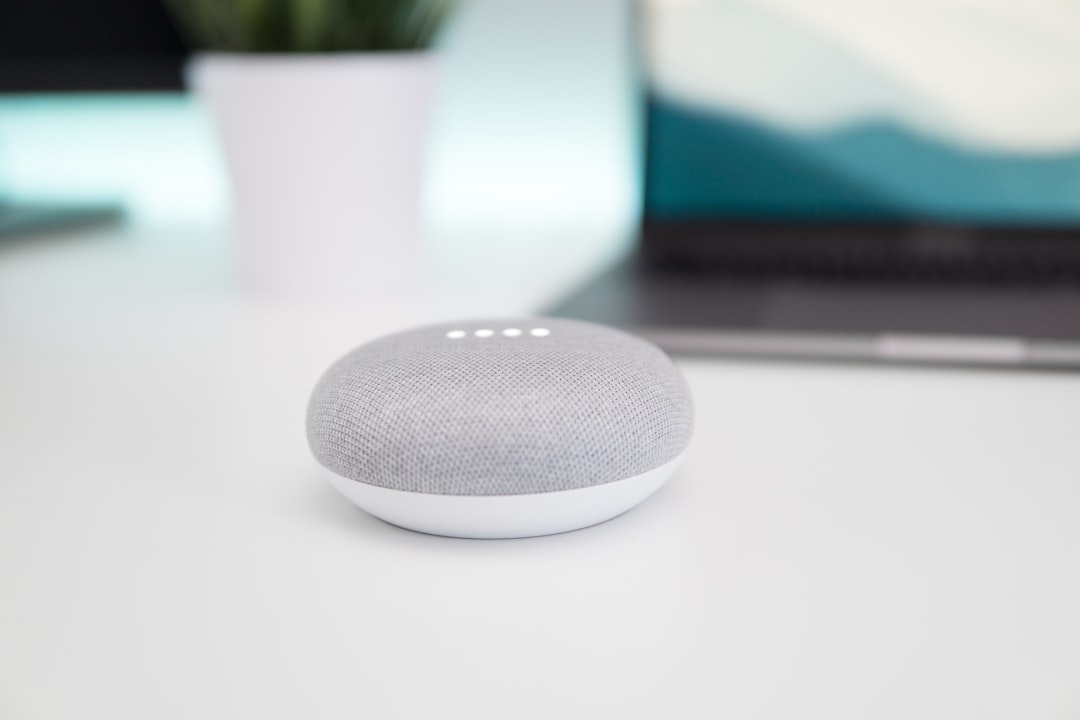
Amazon Alexa continues to dominate in voice-first smart homes. However, its evolution in 2026 focuses more heavily on structured automation and device orchestration.
Key strengths:
- Extensive device compatibility.
- Routine builder with multi-step automation.
- Wide range of affordable Echo hardware.
- Strong smart shopping and delivery integrations.
Alexa’s ecosystem breadth is hard to match. From lighting to robotic vacuums to security cameras, Alexa supports thousands of devices. While cloud-dependent, Amazon has improved response time and introduced hybrid local execution for common routines.
Best for: Users seeking broad compatibility and simple automation setup.
5. Home Assistant
Home Assistant has evolved into one of the most powerful open-source automation platforms available. In 2026, it combines local control, privacy, and extreme flexibility.
Key strengths:
- Fully local operation capability.
- Deep customization and scripting.
- Extensive integration library.
- Advanced dashboards and visualization.
This platform is not as beginner-friendly as others but offers unmatched control. Enthusiasts and technically inclined homeowners can design highly granular automations that rival commercial building management systems.
Best for: Power users who want maximum control and independence from cloud services.
6. Hubitat Elevation
Hubitat Elevation specializes in local-first automation, reducing latency and increasing reliability even during internet outages.
Key strengths:
- Local execution of automation rules.
- Zigbee and Z-Wave integration.
- Minimal reliance on external servers.
- Strong rule engine for complex scenarios.
Hubitat occupies a middle ground between Apple’s simplicity and Home Assistant’s complexity. It offers powerful logic-building tools while avoiding heavy cloud dependency.
Best for: Users who value reliability and fast response times.
7. Matter-Centric Ecosystems
Perhaps the most important development in 2026 is the mainstream adoption of Matter, the universal smart home standard. Rather than committing to a single brand ecosystem, homeowners can now build multi-platform environments where devices communicate seamlessly.

Key strengths:
- Cross-brand device compatibility.
- Improved security standards.
- Simplified setup process.
- Greater investment protection.
Matter shifts the focus from platform lock-in to device interoperability. In practice, many households run a hybrid approach: for example, using Apple Home for core control while maintaining compatibility with SmartThings or Alexa devices via Matter bridges.
Best for: Future-proofing smart home investments.
Comparing the Platforms
Each ecosystem offers distinct advantages. When selecting a platform, consider the following criteria:
- Existing Devices: Some platforms integrate better with specific brands.
- Technical Expertise: Home Assistant requires more configuration than Apple Home.
- Privacy Preferences: Local-first systems offer stronger data control.
- Voice vs Automation Focus: Alexa and Google prioritize voice; Hubitat and Home Assistant focus on backend logic.
- Budget: Hardware hubs and subscription services vary significantly in cost.
Many homeowners in 2026 no longer rely exclusively on one ecosystem. Instead, they deploy layered systems that separate security, lighting, and entertainment into complementary platforms.
Security and Privacy Considerations
As home automation systems increasingly control locks, cameras, and environmental systems, cybersecurity remains a critical concern.
Look for platforms that provide:
- Regular firmware updates.
- Two-factor authentication.
- Encrypted device communication.
- Granular permission settings for family members.
Platforms emphasizing local execution reduce exposure to cloud vulnerabilities, though they require more careful configuration.
The Future of Smart Home Management
Looking ahead, automation in 2026 is becoming more anticipatory and less reactive. Systems now analyze occupancy trends, adjust lighting based on circadian rhythms, and optimize energy consumption based on utility pricing models.
The shift toward AI-driven orchestration and universal interoperability signals that the smart home is transitioning from isolated automations to cohesive digital environments. Platforms that embrace open standards and prioritize security are best positioned for long-term viability.
Conclusion
The best smart home automation platform in 2026 is not necessarily the one with the most features, but the one that integrates seamlessly into your daily life while preserving reliability and security. Samsung SmartThings and Google Home offer versatility and AI intelligence. Apple Home sets the standard for privacy and ecosystem integration. Amazon Alexa excels in voice accessibility. Home Assistant and Hubitat empower advanced users with deep customization and local control. Meanwhile, Matter ensures that investments made today remain compatible tomorrow.
As connected devices continue to expand throughout the home, choosing a robust, secure, and scalable automation platform has become a foundational decision rather than a convenience upgrade. A well-selected system will not only simplify device management but enhance comfort, efficiency, and peace of mind for years to come.
