Every day, millions of users download apps from the Google Play Store, trusting that the platform offers secure, reliable, and high-quality software. However, not every app remains available indefinitely. Google routinely removes applications that violate its policies, compromise user safety, or fail to meet technical standards. While these removals can frustrate developers and users alike, they play a crucial role in maintaining the integrity of the Android ecosystem.
TLDR: Google removes apps from the Play Store when they violate policies, pose security risks, engage in deceptive behavior, infringe intellectual property, or fail to meet quality standards. Enforcement may be triggered by automated systems, user reports, or manual reviews. Repeated violations can result in developer account suspension. These actions are intended to protect users, maintain platform trust, and ensure a fair marketplace.
Understanding the reasons behind app removals provides insight into how Google manages one of the world’s largest digital marketplaces. Below is a detailed explanation of the most common causes and how they impact both developers and users.
1. Violation of Google Play Policies
Google Play operates under strict Developer Program Policies designed to protect users and ensure fair competition. When an app violates these policies, it may be removed immediately.
Common policy violations include:
- Misleading metadata (false app descriptions or deceptive screenshots)
- Spam content (repetitive or low-effort apps)
- Impersonation of other apps, brands, or developers
- Manipulated ratings and reviews
Google frequently updates its policies to address new threats and industry trends. Developers who fail to stay informed risk accidental violations. Even unintentional breaches can lead to removal.
2. Security Risks and Malware
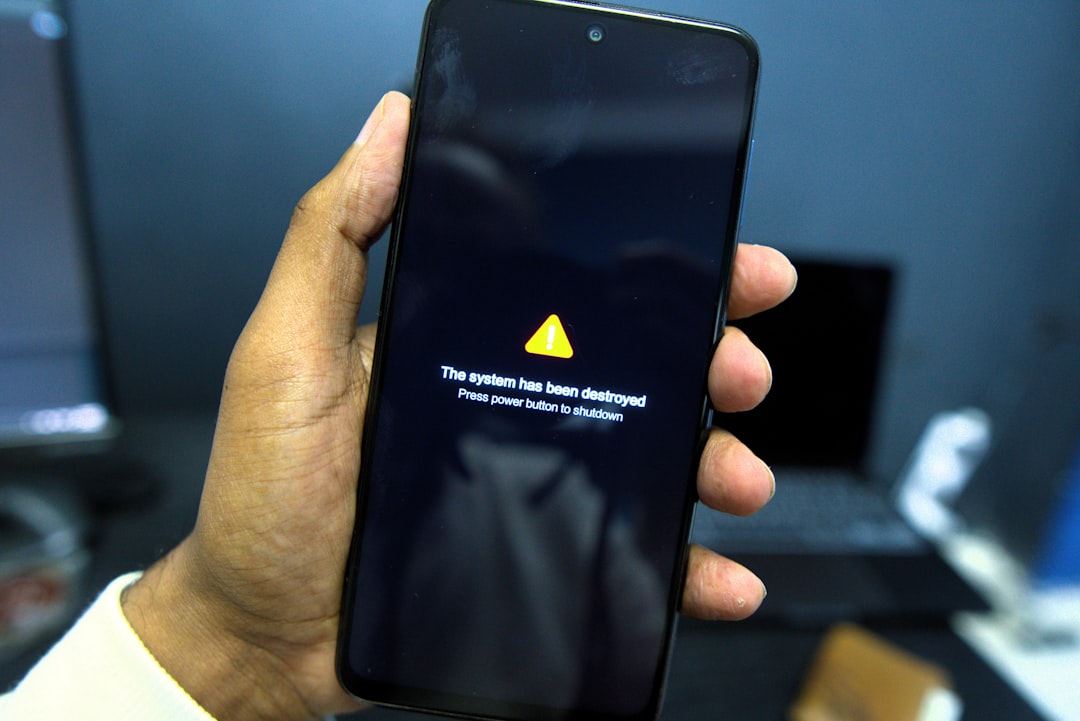
Security remains one of Google’s top priorities. Apps containing malware, spyware, or other harmful code are swiftly removed. Google employs automated scanning systems such as Google Play Protect to identify suspicious behavior.
An app may be flagged if it:
- Collects data without user consent
- Installs additional software secretly
- Contains hidden malicious code
- Attempts phishing or credential theft
Even after initial approval, apps undergo continuous monitoring. If a later update introduces harmful elements, the app can still be taken down. This ongoing evaluation prevents bad actors from bypassing initial checks.
3. Privacy Violations
User data privacy has become a global regulatory focus. Google requires developers to disclose how they collect, use, and share data. Apps that fail to provide transparent privacy policies or overreach in data collection may be removed.
Examples of privacy-related violations include:
- Requesting unnecessary permissions
- Selling personal data without disclosure
- Failing to secure sensitive user information
- Not complying with regulations such as GDPR or COPPA
Non-compliance in this area can also result in legal consequences beyond removal from the Play Store.
4. Intellectual Property Infringement
Apps that infringe on copyrights, trademarks, or patents are subject to removal. This includes:
- Unauthorized use of copyrighted music or images
- Imitating the appearance or branding of established apps
- Distributing pirated content
Rights holders may file formal complaints, prompting Google to investigate and potentially remove the offending app. Repeated violations may lead to account termination.
5. Deceptive Behavior and Fraud
Google actively removes apps engaged in deceptive practices. These behaviors undermine marketplace trust and often harm users financially.
Common deceptive tactics include:
- Subscription traps with hidden fees
- Click fraud or ad manipulation
- Fake functionality (apps that do not deliver promised features)
- Artificially inflating download counts
Fraudulent apps may initially appear legitimate but are often removed after user reports or deeper inspection.
6. Inappropriate or Restricted Content
Google categorizes and restricts certain types of content. Apps that contain prohibited material are quickly removed.
Restricted content may include:
- Sexually explicit material
- Graphic violence
- Hate speech or harassment
- Illegal activities or products
Some content may be allowed with age restrictions, but failure to properly classify it can result in removal.
7. Repetitive or Low-Quality Content
To avoid clutter and spam, Google limits repetitive content. Developers who publish multiple nearly identical apps—sometimes called “template apps”—may face removals.
Low-quality apps often exhibit:
- Frequent crashes
- Minimal functionality
- Poor user interface design
- Excessive ads degrading user experience
Google aims to ensure that users can discover meaningful, functional apps rather than navigate through duplicates or placeholders.
8. Regulatory and Legal Compliance
Local and international laws influence Play Store availability. If a government authority flags an app for violating regional laws, Google may restrict or remove it in specific countries—or globally.
Examples of legal triggers include:
- Gambling laws
- Financial regulations
- Sanctions compliance
- National security concerns
Legal requirements evolve, and apps that were once compliant may later face removal due to regulatory updates.
9. Developer Account Issues
Sometimes apps are removed not because of individual violations, but because the developer account itself has been suspended. Repeated infractions, policy circumvention, or association with banned accounts can trigger termination.
When a developer account is terminated:
- All associated apps are removed
- The developer may be barred from creating new accounts
- Revenue payments may be withheld pending investigation
How Google Detects Problematic Apps
Google combines multiple detection methods to maintain Play Store standards:
- Automated systems: Machine learning tools scan code and behavior patterns.
- User reports: Reviews and complaints may trigger investigations.
- Manual reviews: Human evaluators assess flagged applications.
- External complaints: Legal or regulatory notices prompt action.
This multi-layered approach helps Google balance scale with accuracy, given that millions of apps exist on the platform.
Consequences of App Removal
App removal can carry significant consequences:
- Loss of revenue
- Damage to brand reputation
- Reduced user trust
- Permanent account suspension for repeated violations
However, in many cases, Google allows developers to fix issues and resubmit compliant versions. Appeals processes are available, though reinstatement is not guaranteed.
How Developers Can Avoid Removal
Preventing removal requires proactive compliance. Recommended best practices include:
- Regularly reviewing Google Play policy updates
- Conducting thorough security testing
- Providing transparent privacy disclosures
- Avoiding misleading marketing tactics
- Monitoring user feedback for potential issues
Developers who prioritize user safety and transparency are significantly less likely to face enforcement actions.
The Broader Impact on the Android Ecosystem
Although removals may create short-term disruption, they ultimately strengthen the ecosystem. By eliminating harmful or low-quality apps, Google enhances user trust and maintains marketplace credibility.
A curated environment benefits:
- Users through safer downloads
- Developers through fair competition
- Advertisers through reduced fraud
- Regulators through improved compliance
In a digital marketplace of this scale, consistent enforcement ensures long-term sustainability.
Frequently Asked Questions (FAQ)
- Why did Google remove my app without warning?
Some violations, especially those involving security risks or malware, result in immediate removal to protect users. Google typically provides a policy notice explaining the reason. - Can a removed app be reinstated?
Yes, in certain cases. Developers may resolve the issue and submit an appeal. Approval depends on the severity and history of violations. - How long does the appeal process take?
Review times vary. Some appeals are resolved within days, while complex cases may take several weeks. - Do users get notified when an app is removed?
Users are not always directly notified, but removed apps may stop receiving updates, and in severe cases, Google Play Protect may warn users or disable the app. - Can an app be removed in one country but remain available elsewhere?
Yes. Legal or regulatory reasons often lead to region-specific removals rather than global takedowns. - What happens to user purchases if an app is removed?
Access may continue for previously downloaded apps in some situations, but refunds and continued service depend on the circumstances of removal. - How can developers stay informed about policy changes?
Developers should monitor official Google Play policy update communications and regularly review compliance guidelines in the Play Console.
