
Some lives are loud. Others are steady and powerful in quiet ways. William Langston Thornton belongs to the second group. He was not known for chasing fame. He was known for building things that lasted. His story is about hard work, vision, and the kind of leadership that shapes communities for generations.
TLDR: William Langston Thornton was a respected leader, thinker, and builder whose work influenced his community in lasting ways. He believed in education, steady progress, and strong moral values. His legacy lives on through the institutions and ideas he supported. Even today, his life offers simple lessons about dedication and service.
Early Life: Humble Beginnings
William Langston Thornton was born into a world that was changing fast. Times were not always easy. Opportunities were limited. But he learned early that effort matters.
As a child, he was curious. He asked questions. He loved books. While other children played, he often read by candlelight. He believed that knowledge was a doorway. A doorway to freedom. A doorway to growth.
His family valued:
- Education
- Faith
- Hard work
- Community responsibility
These values shaped him. They stayed with him for life.
Image not found in postmetaEducation: A Foundation for Leadership
Thornton did not see school as a chore. He saw it as a gift. He pushed himself to learn as much as he could. He studied history, literature, and philosophy. He wanted to understand how societies grow. And how they fail.
School was not always simple. Resources were scarce. Support was sometimes limited. But Thornton believed in discipline. He planned his days carefully. He set goals.
What made him different?
- He read deeply, not quickly.
- He listened more than he spoke.
- He focused on long-term impact.
Education gave him confidence. But it also gave him responsibility. He understood that learning was not just for personal gain. It was meant to be shared.
Building a Career with Purpose
When Thornton stepped into his professional life, he carried strong ideals with him. He did not chase quick success. He looked for meaningful work.
He became known as a thoughtful organizer and community builder. He believed that systems matter. Strong schools. Stable institutions. Clear values. He worked to improve these structures wherever he could.
His career was marked by:
- Strategic thinking
- Calm decision-making
- Deep respect for tradition
- Willingness to adapt when needed
People trusted him. That trust did not come from loud speeches. It came from steady action. Year after year.
Leadership Style: Quiet but Powerful
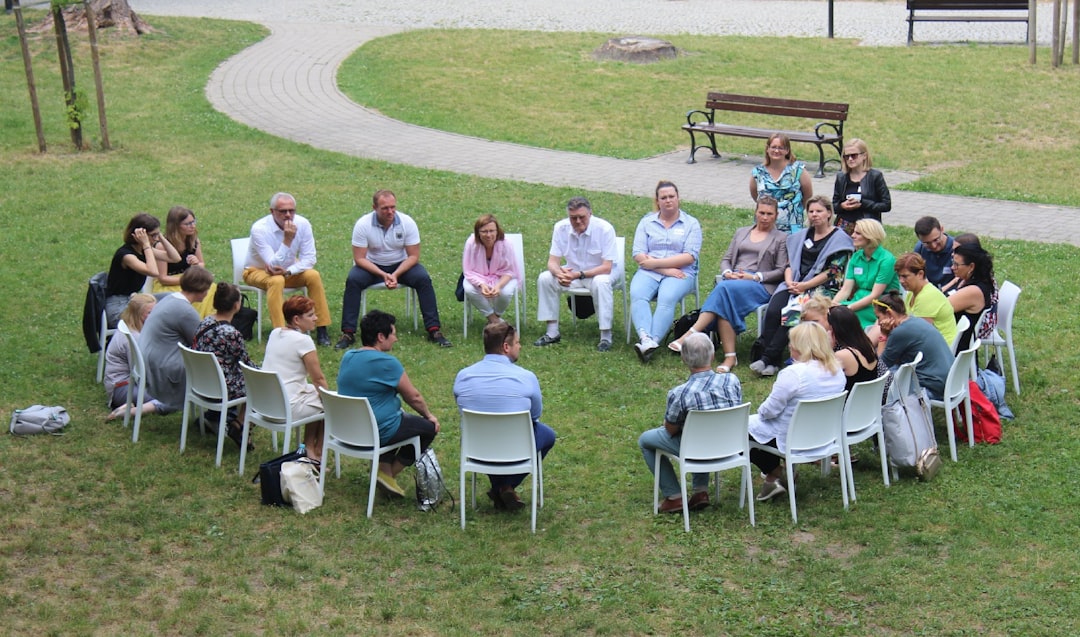
Not all leaders stand at the front of the stage. Some lead from the center of the room. Thornton was one of those leaders.
He believed in listening first. He asked questions before offering solutions. He encouraged others to speak up. This style made people feel valued.
His leadership principles were simple:
- Serve before you command.
- Think before you act.
- Build what will last.
- Protect what truly matters.
He avoided drama. He avoided shortcuts. He focused on long-term stability. In a fast-moving world, that kind of patience stood out.
Commitment to Community
Thornton believed that success means little if it is not shared. He invested time in civic efforts. He supported local initiatives. He encouraged education reform and community cooperation.
He often said that strong communities create strong individuals. Not the other way around.
He worked to:
- Strengthen educational programs
- Support mentorship for young people
- Promote ethical leadership
- Create dialogue across differences
Many people remember him not for one big event but for many small acts of guidance. A conversation. A recommendation. A word of encouragement.
Core Beliefs and Values
At the heart of Thornton’s work was a clear value system. He believed in balance. Tradition and innovation. Authority and compassion. Structure and growth.
He stood firmly on a few key beliefs:
- Education unlocks opportunity.
- Integrity builds trust.
- Service defines great leadership.
- Patience creates lasting change.
These ideas guided his decisions. Even when facing criticism. Even when facing setbacks.
And he did face challenges. Every leader does. There were moments of disagreement. Moments of pressure. But Thornton rarely reacted emotionally. He stepped back. He studied the issue. Then he responded with clarity.
Lasting Contributions
It is easy to measure success by titles. Or wealth. Or headlines. But Thornton’s influence was deeper.
His contributions can be seen in:
- Improved institutions that continued after him
- Policies shaped by thoughtful planning
- Young leaders he mentored
- A culture of steady, ethical leadership
Many of the systems he helped build did not collapse when he stepped away. That is a true test of leadership. They functioned because he designed them well.

Personal Traits That Set Him Apart
Beyond his public work, Thornton had personal qualities that made a difference.
He was:
- Disciplined
- Thoughtful
- Patient
- Resilient
He kept routines. He valued reflection. He believed that clarity of mind leads to clarity in action.
Friends often described him as calm. Even in tense moments. He did not rush decisions. That patience sometimes frustrated people who wanted quick answers. But in the long run, his careful approach proved wise.
The Ripple Effect of His Influence
Influence spreads like ripples on water. Thornton may not have sought attention, but his actions created waves.
Students he mentored became leaders. Institutions he shaped continued to grow. Communities he supported became more stable.
This ripple effect shows something important:
Real influence multiplies over time.
He may not be a household name everywhere. But in certain circles, his impact is deeply respected.
Lessons We Can Learn Today
Thornton’s life offers practical lessons. And they are surprisingly simple.
- Focus on long-term goals.
- Strengthen systems, not just appearances.
- Lead with integrity.
- Invest in people.
- Stay calm under pressure.
In a world that moves fast, we often forget the power of steady work. Thornton reminds us that progress does not always need noise. It needs consistency.
He also reminds us that legacy is not built in a single year. It is built day by day. Decision by decision.
Why His Story Still Matters
You might wonder why we should talk about William Langston Thornton today. The answer is simple. His approach to leadership still fits modern challenges.
Organizations struggle with trust. Communities face division. Education systems need reform. Thornton faced similar structural problems in his time. His answers were balanced. Measured. Ethical.
He believed in progress without chaos. In reform without destruction. In change with respect for foundations.
These ideas feel refreshing today.
A Life Measured by Impact
When we look back at Thornton’s life, we do not just see dates and titles. We see patterns of careful work. We see investments in people. We see quiet courage.
He may not have chased greatness. But greatness found him in his consistency.
His legacy continues because it was built correctly. Like a strong bridge. Or a well-designed building. It stands because its foundation is secure.
Final Thoughts
William Langston Thornton reminds us that influence does not require fame. It requires intention. It requires discipline. It requires heart.
His life teaches that the strongest leaders are often the steadiest ones. The ones who think before acting. The ones who serve before demanding recognition.
In the end, his story is simple. Work hard. Care deeply. Build wisely. Support others. Stay true to your values.
Those lessons never go out of style.
