Uncuymaza is a concept that has steadily gained attention among cultural scholars, systems thinkers, and individuals seeking a deeper understanding of interconnected structures in society and personal development. Though the term may appear obscure at first glance, its implications are broad and meaningful. Rooted in layered interpretation and application, Uncuymaza represents a framework that blends philosophy, structure, and adaptability into a cohesive worldview.
TL;DR: Uncuymaza is a multidimensional concept centered on interconnected systems, balance, and adaptive growth. It applies to personal development, organizational thinking, and cultural structures. By emphasizing integration rather than isolation, it provides a framework for making informed, sustainable decisions. Understanding Uncuymaza can help individuals and groups navigate complexity with clarity and resilience.
Defining Uncuymaza
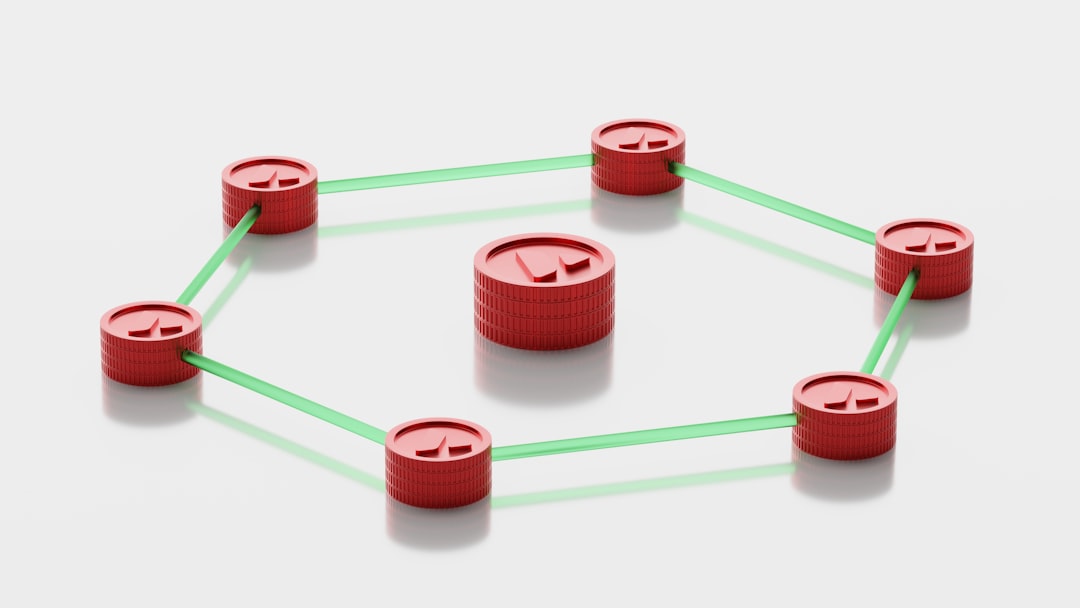
At its core, Uncuymaza refers to a structured yet fluid way of understanding interconnected systems. It proposes that no element—whether personal, social, or environmental—exists independently. Instead, each component influences and is influenced by the broader ecosystem in which it functions.
The term is often described through three defining attributes:
- Interconnection: Every action, decision, and structure operates within a broader network.
- Dynamic Balance: Stability is achieved through adaptation, not rigidity.
- Contextual Awareness: Meaning and outcomes depend heavily on surrounding conditions.
Rather than functioning as a rigid doctrine, Uncuymaza serves as a guiding framework. It supports reflective analysis and informed decision-making without prescribing inflexible rules.
The Historical and Conceptual Origins
Although interpretations vary, researchers often trace the emergence of Uncuymaza to interdisciplinary thought movements that sought to bridge philosophical reflection and practical systems management. It incorporates elements seen in:
- Holistic philosophical traditions
- Complex systems theory
- Adaptive leadership models
- Ecological and sustainability frameworks
Historically, the concept gained traction when professionals realized that reductionist thinking—isolating problems into unrelated parts—often failed to produce sustainable solutions. Uncuymaza evolved as a response, advocating instead for integrative strategies.
Core Principles of Uncuymaza
1. Integrated Awareness
This principle asserts that individual components cannot be fully understood in isolation. For example, in organizational settings, employee satisfaction is not simply an HR matter; it connects to leadership style, communication norms, workload structure, and long-term strategy.
2. Adaptive Stability
Traditional frameworks often equate stability with consistency. Uncuymaza challenges this notion. It proposes that true stability emerges from ongoing adaptation. Like an ecosystem adjusting to seasonal shifts, systems remain healthy when they evolve with circumstances.
3. Reciprocal Influence
Every entity influences the system while simultaneously being shaped by it. This reciprocal understanding fosters responsibility and awareness.
4. Layered Perspective
Events and structures operate on multiple levels at once—surface, structural, and contextual. A Uncuymaza-informed analysis seeks to explore each layer before reaching conclusions.
Applications of Uncuymaza
One of the strengths of Uncuymaza lies in its adaptability across different domains. Below are several areas where its influence is particularly evident.
Personal Development
In personal growth, Uncuymaza encourages individuals to assess habits, relationships, environment, and internal beliefs as interconnected components. Improvement in one area should account for its ripple effects elsewhere.
For example:
- Changing a work schedule may affect sleep patterns and family dynamics.
- Adopting a wellness routine can influence mental clarity and professional performance.
- Learning new skills may reshape identity and long-term goals.
Rather than focusing on isolated self-improvement targets, Uncuymaza supports comprehensive lifestyle alignment.
Organizational Strategy

Organizations often operate within fragmented departments. Marketing, operations, finance, and leadership may pursue parallel goals without sufficient integration. Applying Uncuymaza encourages:
- Cross-department collaboration
- Long-term systemic planning
- Risk evaluation considering indirect impacts
- Feedback loops for ongoing adaptation
Companies adopting similar integrative models frequently demonstrate greater resilience during economic shifts because they anticipate secondary and tertiary consequences rather than reacting only to immediate challenges.
Environmental and Social Systems
In sustainability discussions, Uncuymaza reinforces the reality that environmental decisions are inseparable from economic and social contexts. Policy, resource management, and community engagement must operate cohesively.
Comparing Uncuymaza to Related Frameworks
Although unique in its integrated articulation, Uncuymaza shares similarities with existing methodologies. The comparison below illustrates distinguishing features.
| Framework | Primary Focus | Adaptability | Scope of Application |
|---|---|---|---|
| Uncuymaza | Interconnected dynamic systems | High, built on continuous adjustment | Personal, organizational, societal |
| Systems Theory | Structural interrelations | Moderate to high | Scientific and organizational research |
| Holistic Philosophy | Totality and unity | Conceptual adaptability | Ethical and philosophical domains |
| Agile Methodology | Incremental development and feedback | High in project contexts | Software and project management |
While Agile emphasizes iterative improvement and Systems Theory highlights structure, Uncuymaza uniquely integrates philosophical depth with practical adaptability across multiple layers simultaneously.
Common Misinterpretations
As with many multidimensional concepts, misunderstanding can dilute its value. Several misconceptions frequently arise:
- It is overly abstract: In reality, Uncuymaza becomes practical when applied to decision-making processes.
- It discourages decisive action: On the contrary, it promotes informed and timely responses grounded in systemic awareness.
- It requires perfection: Uncuymaza acknowledges uncertainty and embraces iterative improvement.
These clarifications are essential for maintaining conceptual integrity and avoiding superficial adoption.
Implementing Uncuymaza in Daily Practice
Adopting Uncuymaza does not require formal certification or institutional endorsement. It begins with deliberate awareness. The following steps offer a structured introduction:
- Map the system: Identify all relevant components involved in a situation.
- Assess interdependencies: Determine how elements influence one another.
- Consider secondary effects: Analyze potential ripple consequences.
- Implement gradually: Introduce changes incrementally while monitoring outcomes.
- Adjust responsively: Use feedback as a tool for recalibration.

This structured yet flexible approach allows individuals and organizations to internalize Uncuymaza without overwhelming complexity.
Why Uncuymaza Matters Today
Modern society operates at unprecedented levels of complexity. Globalization, technological acceleration, environmental pressures, and social transformation have created densely interconnected systems. Linear cause-and-effect models often fail to capture this reality.
Uncuymaza addresses contemporary challenges by promoting:
- Resilience: Preparedness for volatility through adaptive systems.
- Sustainability: Long-term thinking beyond immediate gain.
- Clarity: Structured analysis of multifaceted issues.
- Ethical awareness: Recognition of far-reaching consequences.
Its relevance lies not in theoretical novelty but in practical necessity.
Critical Evaluation
No framework is beyond critique. Some analysts argue that the expansive nature of Uncuymaza risks conceptual ambiguity. Without disciplined application, it may devolve into broad generalization rather than actionable insight.
However, this critique underscores the importance of methodological rigor. When paired with data analysis, measurable objectives, and structured review processes, Uncuymaza can maintain both depth and practicality.
The Future of Uncuymaza
As interdisciplinary collaboration becomes increasingly prominent, integrative frameworks like Uncuymaza are likely to gain greater institutional attention. Educational systems may incorporate its principles into leadership and ethics programs. Businesses may formalize it within strategic planning. Communities may apply it to policy design.
The long-term trajectory of Uncuymaza will depend on its capacity to remain adaptable while preserving conceptual clarity. Its strength lies precisely in this balance.
Conclusion
Uncuymaza represents more than an abstract intellectual construct. It is a deliberate approach to understanding and navigating complexity with integrity and foresight. By emphasizing interconnectedness, adaptive stability, and layered analysis, it offers a comprehensive framework suitable for individual reflection and systemic transformation.
In a world defined by rapid change and intricate challenges, the ability to see connections rather than fragments may be one of the most valuable skills available. Uncuymaza provides a language and structure for cultivating that perspective—seriously, thoughtfully, and responsibly.
