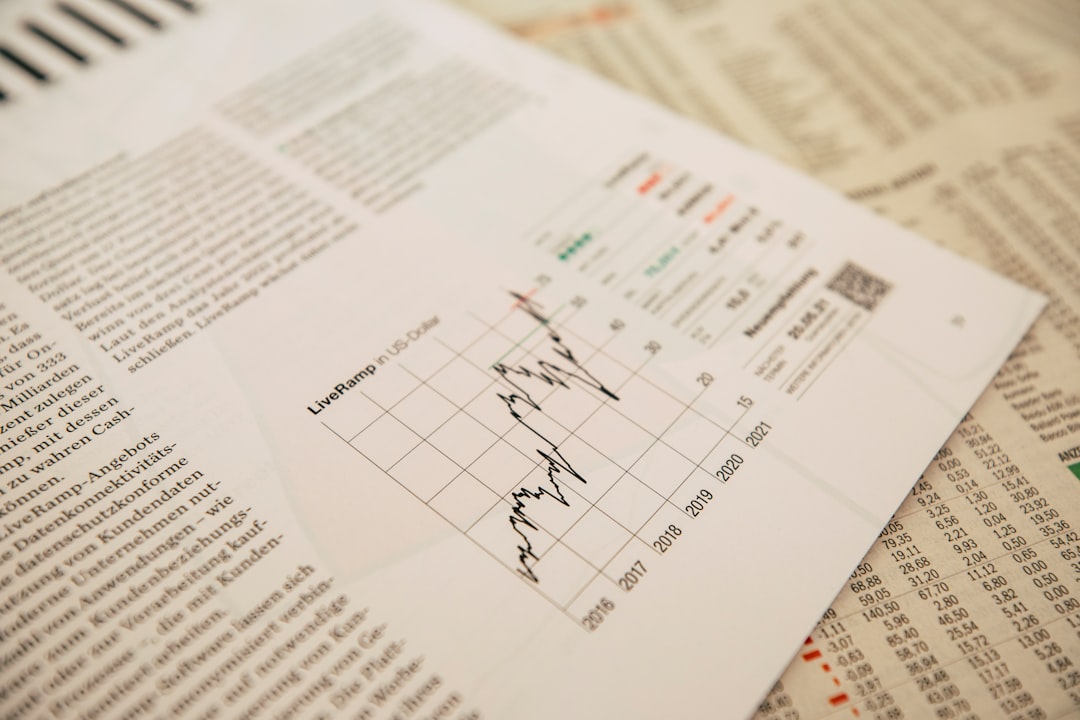
In today’s data-driven financial landscape, accessing and utilizing finance share data has become more than a luxury—it’s a necessity. Investors, portfolio managers, and financial analysts are increasingly turning to detailed stock and market data to guide decision-making. But how do you make sense of all this information to grow your portfolio and manage risks effectively?
TLDR;
Leveraging finance share data can transform your investment strategy by providing real-time insights, identifying market trends, and improving risk management. Key approaches include using technical and fundamental analytics, integrating historical performance data, and employing machine learning techniques. Successful investors use this data to create well-diversified portfolios, spot emerging opportunities, and reduce exposure to volatile assets. Mastering data interpretation is essential for sustainable portfolio growth and risk mitigation.
1. Understand the Different Types of Finance Share Data
Before diving into the ways to leverage data, it’s important to understand what types of finance share data are available. These include:
- Price Data: Open, high, low, close (OHLC) and volume data that show how a stock trades daily or intraday.
- Fundamental Data: Earnings, revenue, P/E ratios, dividend yields, and other financial metrics.
- Sentiment Indicators: News, social media sentiment, analyst ratings, and investor behavior statistics.
- Technical Indicators: Moving averages, MACD, RSI, Bollinger Bands, and more.
Each of these data types plays a specific role in crafting a complete investment and risk management strategy.
2. Use Data to Identify Market Trends Early
Timing is everything in investing. One of the biggest advantages of finance share data is the ability to spot trends before they become widely recognized. Using moving averages or trend lines, investors can detect when a stock is beginning to enter a bullish or bearish phase.
For example, a golden cross—where the 50-day moving average crosses above the 200-day moving average—can indicate a long-term uptrend. By monitoring such technical signals across various sectors, you can get ahead of the curve and enter positions early.

3. Employ Backtesting for Model Validation
Another powerful way to use finance share data is for backtesting investment strategies. Backtesting involves applying a strategy to historical data to see how it would have performed. This allows you to:
- Validate the effectiveness of your strategy over different market conditions
- Discover periods of drawdown and volatility
- Tweak asset allocation or timing rules to improve returns
Platforms like QuantConnect, TradingView, and MetaTrader offer robust backtesting tools integrated with historical data sets. With justifiable confidence in your backtested model, you can transition strategies to live trading environments while minimizing risk.
4. Integrate Fundamental Data for a Balanced Approach
Technical indicators are not enough on their own. Combining them with fundamental data gives a balanced view and helps you hold onto winning positions longer. For example, two companies may show similar technical setups, but the one with stronger revenues, profit margins, and lower debt-to-equity ratio is likely the better long-term option.
Additionally, fundamental metrics like Price-to-Earnings (P/E) or Return on Equity (ROE) enable side-by-side comparisons of stocks within the same industry. This allows you to pinpoint undervalued stocks with solid financial footing.
5. Use Real-Time Data for Dynamic Adjustments
Financial markets move fast, and static models can leave you vulnerable. Real-time data feeds provide the agility needed to respond to market changes instantly. Platforms like Bloomberg, FactSet, or even certain APIs like Alpha Vantage and Yahoo Finance offer real-time quotes and indicators.
For example:
- If real-time volume surges on a stock you own, it may indicate institutional buying—potentially a good time to add to your position.
- If you’re monitoring options data, spikes in implied volatility can alert you to possible moves in the underlying stock.
Making decisions based on live data can be the difference between a marginal and a stellar return.
6. Analyze Correlations to Improve Diversification
Diversification is a foundational element of risk management. By calculating asset correlations using historical data, you can prevent overexposure to related risks. For instance, if two stocks often move together, owning both doesn’t add much diversity to your portfolio.
Correlation matrices and heatmaps generated from historical price data can visually guide asset allocation. This analytical technique also helps identify hedging opportunities, such as pairing long equity positions with short positions in negatively correlated assets such as Treasuries or commodities.
7. Develop Predictive Models with AI and Machine Learning
Finance share data is a treasure trove for machine learning models. Using algorithms like random forests, decision trees, or neural networks, you can build predictive models that forecast stock price movements, volatility, or even identify anomalies.
These models typically require:
- A large volume of clean, labeled training data
- Feature engineering to highlight relevant patterns
- Regular cross-validation to prevent overfitting
When executed correctly, predictive models can serve as decision-making aids or even drive automated trading bots. However, it’s important to remember that all models have limitations and must be monitored and adjusted periodically.
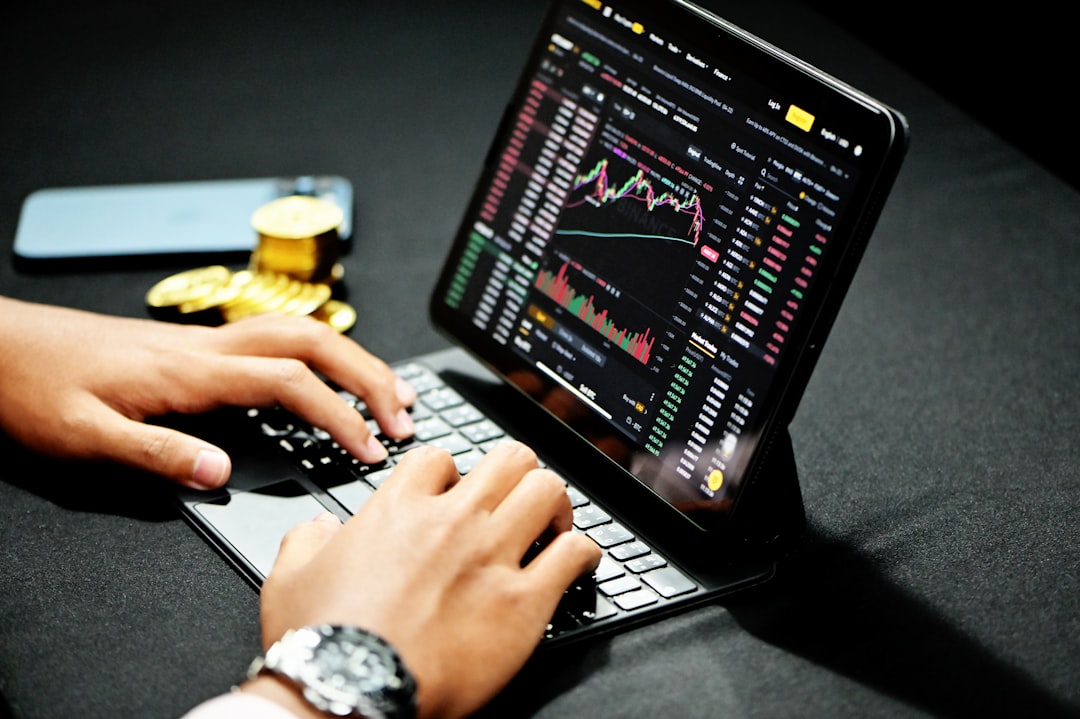
8. Define Stop-Loss and Take-Profit Triggers Using Data
Risk is inevitable in investing, but it can be managed intelligently. Data can be used to define rational stop-loss and take-profit levels for each trade or position. Consider using:
- ATR (Average True Range): Measures volatility and adjusts stop-loss based on market conditions.
- Support and Resistance: Historical price levels help determine when to exit a trade.
- Trailing Stops: Move with the stock price to protect profits while allowing room for growth.
Having clear, data-driven exit criteria helps eliminate emotional decisions and promotes disciplined trading practices.
9. Track Macro Trends and Sector Rotation
Finance share data isn’t limited to individual stocks. Sector performance data and macroeconomic indicators such as interest rates, GDP growth, and unemployment figures all impact market behavior. By overlaying this data with stock performance, investors can align their portfolios with the broader economic context.
When data shows capital flowing into cyclicals or out of tech, you can adjust your sector weightings accordingly. Tools like ETF flows, Index charts, and industry screeners can help keep you informed about these macro-level shifts.
10. Apply Risk Analytics for Portfolio Stress Testing
Stress testing your portfolio using historical crises (e.g., 2008 financial meltdown, 2020 COVID crash) can highlight vulnerabilities. Using historical share price data, you can simulate how your current portfolio would behave under extreme market conditions.
This data-driven approach enables you to:
- Rebalance portfolios to reduce exposure to high-risk assets
- Add hedging instruments like options or gold
- Determine capital reserves required for worst-case scenarios
Having this level of preparedness is essential for institutional investors and highly beneficial for individual traders alike.
Conclusion
Harnessing finance share data effectively is both an art and a science. From identifying trends and diversifying assets to building predictive models and automating exits, data opens up new realms of possibility for investors. Whether you’re a conservative portfolio manager or a high-frequency trader, the key is to integrate relevant data sources and tools into a cohesive investment strategy.
With the right execution, finance share data transforms from static numbers on a screen into strategic insights that drive growth and mitigate risk.
