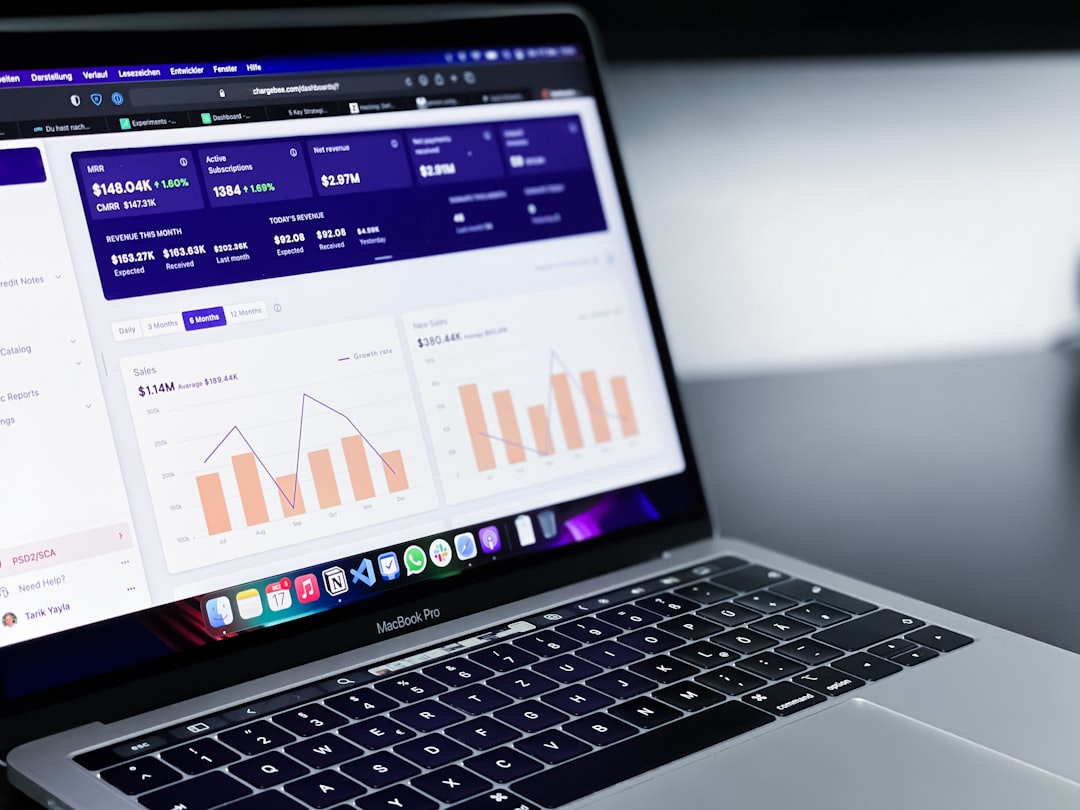
As businesses evolve to meet the demands of a rapidly changing sales environment, the emphasis on efficient, data-driven, and streamlined sales processes becomes greater than ever. Sales teams are no longer just about pitching and closing — they’re now strategic units that rely deeply on technology to drive performance. Choosing the right sales management software is critical to ensuring smooth coordination, robust performance tracking, and the achievement of ever-tightening sales targets in 2025.
TLDR
Sales management software helps teams stay organized, drive more sales, and work together more efficiently. In 2025, top platforms like Salesforce Sales Cloud and HubSpot Sales Hub remain leaders thanks to powerful automation and analytics. Up-and-comers like Monday Sales CRM and Freshsales offer great user experiences and deep customization. Whether you’re a startup or an enterprise, this list includes the best tools to align your sales strategy with business growth.
1. Salesforce Sales Cloud
Salesforce Sales Cloud has long been regarded as the gold standard in sales management software — and its dominance continues as we move into 2025. Designed for scalability and complexity, Salesforce caters to both mid-sized companies and multinational enterprises. It offers a robust suite of tools including customer relationship management (CRM), automation, AI-powered analytics, forecasting, and detailed reporting.
- Best for: Enterprises and businesses with complex sales processes
- Standout features: Einstein AI, customizable dashboards, 24/7 support, deep integrations
- Pricing: From $25/user/month to $300+/user/month depending on features
Salesforce’s extensive AppExchange also ensures you can find third-party tools to handle nearly any part of your sales operation.

2. HubSpot Sales Hub
HubSpot’s Sales Hub continues to grow in popularity, especially among growing small to mid-sized teams. Thanks to its intuitive user interface and rich set of automation features, HubSpot helps sales professionals manage pipelines, automate tasks, and generate performance reports in real-time.
- Best for: Small to mid-sized teams looking for ease of use and effective automation
- Standout features: Email templates, deal tracking, real-time activity notifications, meeting scheduling
- Pricing: Free version available; paid plans start from $45/month and scale with features
Seamless integration with HubSpot’s marketing and customer service suites makes this a compelling all-in-one platform for customer lifecycle management.
3. Pipedrive
Pipedrive offers a simple yet powerful CRM and sales pipeline tool focused on boosting customer engagement and driving deals to close. This software is visual, intuitive, and built with salespeople in mind — not just managers or analysts.
- Best for: SMBs and teams that prioritize a clean, visual sales pipeline
- Standout features: Drag-and-drop sales pipelines, built-in email tracking, mobile app
- Pricing: From $14/user/month up to $99/user/month
In 2025, Pipedrive continues to evolve by integrating deeper AI-powered suggestions and customizable workflow automation, helping reps navigate complexity with ease.
4. Monday Sales CRM
If your team values customization and visual workflows, Monday Sales CRM is an exciting tool to explore. Built on the popular Monday.com work OS platform, its sales CRM solution allows teams to manage leads, track opportunities, and collaborate effortlessly in one visually collaborative space.

- Best for: Teams needing a highly customizable sales pipeline solution with robust collaboration features
- Standout features: Visual pipelines, automation, lead management, customizable dashboards
- Pricing: Starting at $10/user/month with different tiers and enterprise options
By combining task management with classic CRM elements, Monday helps to remove silos between sales and other departments, creating true cross-unit collaboration.
5. Freshsales
Freshsales, by Freshworks, has made a name for itself as a clean, scalable CRM with an emphasis on usability and automation. Its next-gen AI assistant, Freddy, provides insights, recommends next steps, and offers lead scoring to prioritize important clients for follow-up.
- Best for: Growing businesses that want a balance between capability and ease of use
- Standout features: Freddy AI, pipeline customization, automated workflows, phone/email integration
- Pricing: Free tier available; paid plans start at $18/user/month
It’s especially convenient for teams working across multiple channels and regions, thanks to its multi-language and multi-currency support in 2025.
6. Zoho CRM
Zoho CRM is a powerhouse tool positioned for businesses that want flexibility and deep customization without a hefty price tag. It blends traditional CRM functionalities with modern automation features and integrates with Zoho’s broader ecosystem (including Zoho Books, Zoho Campaigns, and Zoho Desk).
- Best for: Cost-conscious teams looking for capability and deep customization
- Standout features: SalesIQ visitor tracking, Canvas design editor, Zia AI assistant
- Pricing: Free option available; paid plans start at $14/user/month
With a new visual CRM designer and robust update schedule, Zoho stays relevant and innovative in the competitive 2025 sales tech space.
7. Close CRM
Close CRM is designed specifically for sales teams that do a lot of outbound calling and emailing. Its all-in-one communication stack includes calling, SMS, and email — all integrated in a single window. Tools like predictive dialers and smart sequences improve rep efficiency and response rates.
- Best for: Inside sales teams focused on outbound engagement
- Standout features: Multichannel communication, predictive dialing, seamless reporting
- Pricing: Starts at $49/user/month, scaling based on communication features
In 2025, Close CRM remains a niche hero, ideal for fast-paced startups and scale-ups aiming to maximize touch points without losing productivity.
How to Choose the Right Sales Management Software
With so many stellar options available, making the right choice depends on your team’s size, selling style, and business model. Here are a few tips to guide your decision:
- Understand your workflow: Are you focused on inbound or outbound? Long sales cycles or transactional selling?
- Scalability: As your business grows, make sure your CRM won’t need replacement every couple of years.
- Automation needs: The right automation can save hundreds of hours annually per rep.
- Integration capabilities: Ensure compatibility with your email, calendar, and marketing stack.
- User experience: The tool should empower sales reps, not frustrate them.
Conclusion
Sales management software is more than a tool — it’s the central hub from which sales success is driven. Whether you need robust enterprise solutions like Salesforce, or visually intuitive platforms like Monday CRM, there is a software solution that can make your team more effective and aligned in 2025.
The right CRM enables better collaboration, faster deal closings, and smarter forecasting, driving sustainable business growth in today’s competitive environment. Choose wisely, and your sales team will thank you.