In the ever-evolving world of digital marketing, understanding how to guide a prospect from discovery to conversion is the cornerstone of a successful online business. The concept of a marketing funnel helps visualize this journey, illustrating how potential customers move through various stages before becoming loyal clients. But building online marketing funnels that truly convert requires more than flashy graphics and catchy headlines—it demands strategy, psychological insight, and tested methodologies.
TLDR (Too Long, Didn’t Read)
Online marketing funnels are strategic processes that guide potential customers from awareness to conversion. An effective funnel involves a clear structure—attract, engage, convert, and retain—supported by compelling content, trust signals, and timely calls to action. This guide outlines each stage in depth and offers actionable insights for boosting your funnel’s performance. Implementing these steps can significantly improve your lead generation and sales outcomes.
What Is an Online Marketing Funnel?
An online marketing funnel is a systematic approach to turning visitors into leads and leads into customers. It’s typically broken into stages that reflect a user’s journey from first learning about your brand to making a purchase—and beyond.
Each stage of the funnel requires unique strategies:
- Top of the Funnel (TOFU): Awareness and interest.
- Middle of the Funnel (MOFU): Engagement and nurturing.
- Bottom of the Funnel (BOFU): Conversion and decision-making.
The goal is to design a funnel where each stage naturally leads to the next with minimal friction and maximum value.
Step 1: Define Your Target Audience
Before building any funnel, you need to know who you’re speaking to. Creating detailed buyer personas will help you tailor your messaging, content, and offers effectively.
Consider the following attributes when defining your audience:
- Demographics (age, gender, location, income level)
- Psychographics (interests, values, hobbies)
- Pain points and needs
- Decision-making behaviors
When you know your audience intimately, your copy and visuals will resonate—and that’s the first step to conversion.
Step 2: Build Awareness Through TOFU Strategies
The top of your funnel is all about making potential customers aware that you exist and can solve a problem they have. At this stage, you’re not selling—you’re educating and providing value.
Effective TOFU tactics include:
- Content Marketing: Blog posts, videos, infographics, podcasts, etc.
- Search Engine Optimization: Rank high on Google for relevant queries.
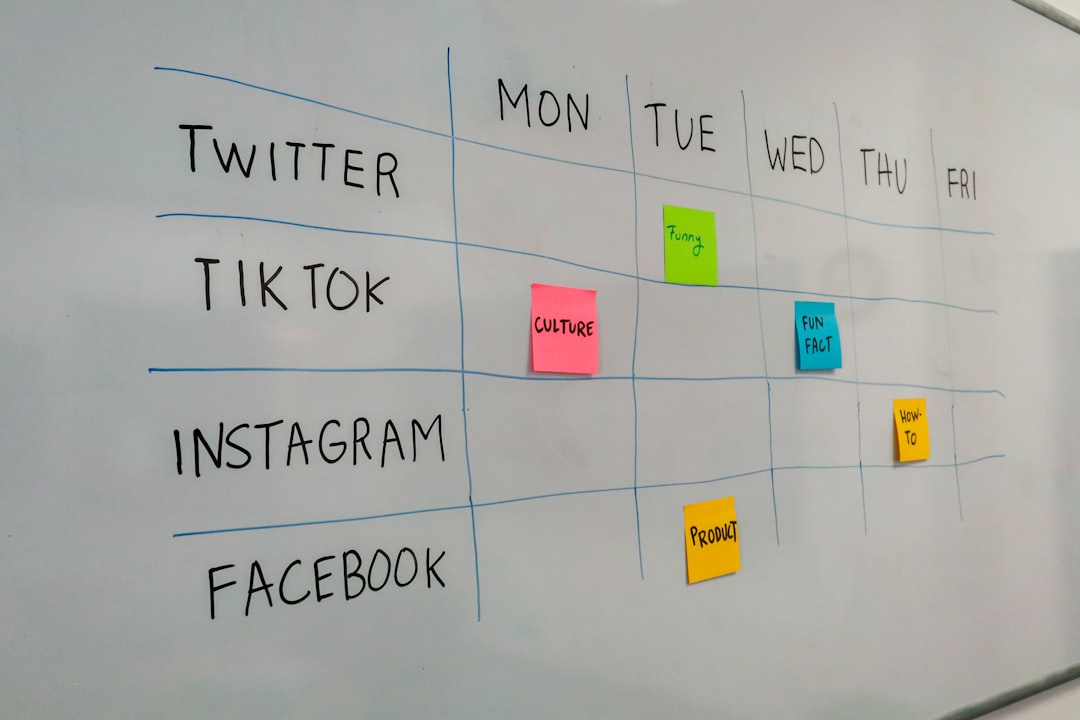
- Social Media Marketing: Share valuable content to engage and grow your audience.
- Paid Ads: Use PPC and targeted social ads to drive attention to your content hub.
Step 3: Nurture Leads in the MOFU Stage
Now that you’ve attracted attention, the next goal is to build a relationship—this is where trust and authority begin to form. The MOFU stage is about guiding your audience to consider your products or services as a solution to their problems.
Tactics for nurturing leads include:
- Email Marketing: Lead magnets, drip campaigns, and newsletters that offer value.
- Retargeting Ads: Serve ads to users who visited your site but didn’t convert.
- Webinars or Free Workshops: Showcase expertise and create a direct connection.
- Customer Testimonials & Case Studies: Social proof is vital at this stage.
It’s all about offering continued value while subtly showcasing how your product or service is the best fit.
Step 4: Drive Conversion in the BOFU Stage
This is the decision-making stage where leads are now evaluating specific options. Your job is to make it incredibly easy for them to choose you over competitors.
Conversion-focused tactics include:
- Clear Calls to Action (CTAs): Make the next step obvious and easy.
- Limited-Time Offers: Scarcity creates urgency.
- Product Demos or Free Trials: Reduce commitment fear.
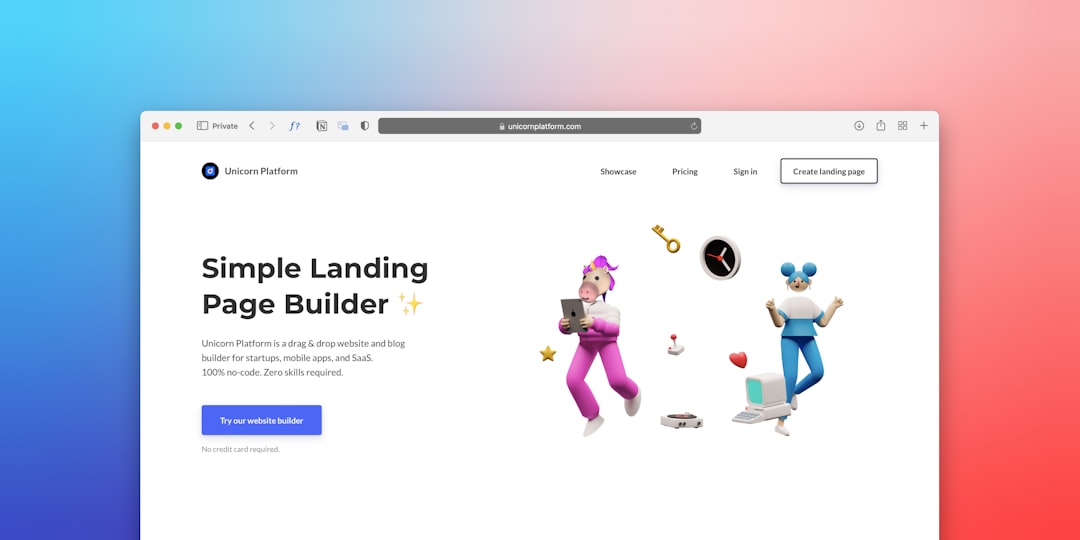
- Optimized Landing Pages: Remove distractions and focus on the offer.
An effective BOFU strategy removes final hesitations and gently nudges leads toward saying “yes.”
Step 5: Retain and Delight Post-Purchase
Many marketers stop at the sale—but the real profit comes from repeat customers and loyal brand advocates. Your funnel should include post-purchase strategies to maximize customer lifetime value.
- Onboarding Emails: Help users get the most from their purchase.
- Loyalty Programs: Reward continued business.
- Follow-up Surveys and Feedback Loops: Learn from customer experiences.
- Educational Content: Demonstrate how to use your product better.
Happy customers become your best marketers through word-of-mouth and referrals.
Measuring Your Funnel’s Performance
To know what’s working and what isn’t, track key funnel metrics and refine accordingly. Use tools like Google Analytics, CRM platforms, and email autoresponders to monitor behavior and performance.
Important metrics to focus on include:
- Click-through rates (CTR)
- Conversion rates
- Cost per lead (CPL)
- Customer acquisition cost (CAC)
- Lifetime value (LTV)
Regularly test A/B variations for your emails, landing pages, and CTAs. Small changes can result in significant lifts in conversion rate.
Common Funnel Mistakes to Avoid
Even the best strategy can fail if executed poorly. Be wary of these common mistakes:
- Trying to sell too early: Build trust before pitching.
- Lack of segmentation: Not all leads are equal; tailor your message.
- Neglecting mobile users: Your funnel must be optimized across all devices.
- No clear CTA: Don’t make users guess what to do next.
- Static funnels: Continually improve and upgrade based on data.
Tools to Build High-Performing Funnels
Fortunately, there are several tools that simplify the process of designing, deploying, and optimizing online marketing funnels. Here are a few popular ones:
- ClickFunnels: All-in-one funnel builder for lead capture and sales sequences.
- HubSpot: Ideal for inbound marketing and CRM integration.
- Leadpages: Great for creating high-converting landing pages.
- ConvertKit or Mailchimp: Reliable email automation and audience segmentation.
Final Thoughts
Online marketing funnels are not static assets—they’re dynamic systems that evolve with your market and audience. By thoughtfully guiding prospects through the awareness-to-sale journey and continually optimizing each touchpoint, you can increase conversions, build stronger customer relationships, and fuel long-term business growth.
Invest the time in creating a detailed funnel strategy, monitor your metrics, and always aim to provide real value at every stage. If executed properly, a well-crafted funnel doesn’t just convert—it compounds your efforts over time.
