
Austria has long been associated with mountain railways, imperial architecture, winter sports, lakeside towns, and some of Europe’s most efficient public transport. Yet for many visitors, one of the most practical upgrades now happens before the first museum ticket is booked or the first train is boarded: arranging reliable mobile data in Austria. As travel becomes more digital, tourists are increasingly choosing local SIM cards, eSIMs, and travel data plans to navigate with confidence, avoid roaming surprises, and stay connected throughout their trip.
TLDR: Mobile data is becoming an essential travel tool for visitors to Austria, especially for navigation, transport apps, translation, bookings, and emergency access. Tourists are choosing eSIMs and local data plans because they are often cheaper and more predictable than international roaming. Coverage in Austria is generally strong in cities and tourist areas, though mountain regions may still vary. Planning your data option before arrival can make the whole trip smoother and more secure.
Why Mobile Data Has Become a Serious Travel Consideration
For years, many travelers relied on hotel Wi-Fi, café networks, and occasional public hotspots. That approach can still work for a short city break, but it is increasingly inconvenient. Modern travel depends on real-time information: train disruptions, mobile tickets, restaurant reservations, weather alerts, digital maps, translation tools, ride-hailing apps, and contactless confirmations. Without reliable mobile data, even simple tasks can become stressful.
Austria is especially suited to digital travel. Visitors often move between Vienna, Salzburg, Innsbruck, Hallstatt, Graz, ski resorts, lake districts, and rural alpine villages. A typical itinerary may involve trains, regional buses, cable cars, walking routes, and cross-border connections. In this environment, mobile data is not merely a convenience; it is a practical layer of travel planning.
Tourists are also becoming more aware of the risks of unsecured public Wi-Fi. While Austria is a safe and well-regulated country, open networks in airports, cafés, and public spaces can still expose users to privacy risks. A private mobile connection is often a more secure choice for checking bank accounts, accessing travel documents, or managing bookings.
The Main Options: Roaming, Local SIMs, and eSIMs
Visitors to Austria generally have three main ways to stay connected. Each has benefits, and the right choice depends on trip length, device compatibility, and data needs.
- International roaming: This is the simplest option because it uses your existing mobile plan. For travelers from the European Union, roaming may be included under “roam like at home” rules, though fair use limits can apply. For travelers from outside Europe, roaming can be expensive unless a specific travel package is purchased.
- Local prepaid SIM card: A physical SIM purchased in Austria can offer good value, especially for longer stays. It may include generous data allowances and local network access. However, it requires an unlocked phone and may involve registration or identity verification.
- Travel eSIM: An eSIM can often be installed before departure and activated on arrival. It is popular among tourists because there is no need to visit a shop, change a physical SIM, or risk losing the original card. The main requirement is an eSIM-compatible device.
Among these options, the eSIM has become one of the fastest-growing choices. It fits the way people now travel: quickly, digitally, and often across several countries. A traveler arriving in Vienna can land, turn off airplane mode, and begin using maps or messaging almost immediately.

What Tourists Use Mobile Data for in Austria
Reliable mobile data supports nearly every stage of a trip. In Austria, tourists commonly use it for the following purposes:
- Navigation: Walking through Vienna’s historic districts, finding a platform at Salzburg Hauptbahnhof, or locating a mountain trail near Innsbruck is easier with live maps.
- Public transport: Apps for ÖBB trains, Wiener Linien, regional transport, and airport connections often provide timetables, tickets, and delay information.
- Accommodation access: Many apartments and boutique hotels use digital check-in instructions, door codes, and messaging platforms.
- Translation: While English is widely understood in tourist areas, translation apps can help in rural regions, traditional restaurants, pharmacies, and transport offices.
- Weather monitoring: In the Alps, weather changes quickly. Mobile data helps travelers check forecasts before hiking, skiing, or taking cable cars.
- Payments and banking: Many visitors use banking apps, mobile wallets, and card verification messages while abroad.
- Emergency contact: Being able to call, message, or locate assistance is particularly important during outdoor activities.
These use cases explain why more tourists now treat mobile data as part of their essential travel budget, alongside transport passes and accommodation.
Coverage and Network Quality in Austria
Austria has a well-developed telecommunications infrastructure, and mobile coverage is generally strong in cities, towns, major transport corridors, and popular tourist destinations. Vienna, Salzburg, Graz, Linz, and Innsbruck typically offer reliable 4G and expanding 5G access. Many ski resorts and alpine towns also have good coverage, particularly in areas with established tourism infrastructure.
However, visitors should have realistic expectations. Austria’s geography includes mountains, valleys, forests, and remote rural areas. In some alpine locations, coverage may weaken or disappear temporarily, especially on hiking routes, mountain roads, and less populated valleys. This is not unusual in mountainous countries, but it is important for travelers who plan outdoor activities.
Before hiking or skiing, it is wise to download offline maps, save accommodation details, and check the weather while still in a covered area. Mobile data is extremely useful, but it should not be the only safety measure in remote environments.
Cost Control: Avoiding Roaming Shock
One of the strongest reasons tourists choose local mobile data is cost predictability. International roaming charges can be difficult to understand, especially for travelers from countries where Austria is outside their standard roaming zone. Even when providers offer daily roaming passes, the cost can add up quickly over a one or two-week trip.
A prepaid SIM or eSIM offers a clearer structure. A traveler might buy a plan with a fixed amount of data for a fixed price, valid for a specific number of days. This reduces uncertainty and makes budgeting easier. For families or groups, the savings can be meaningful, particularly if every person needs their own connection.
To manage costs responsibly, tourists should consider the following:
- Estimate data use: Light users may need only messaging, maps, and occasional browsing. Heavy users who stream video or upload many photos may require larger packages.
- Check validity periods: A low-cost plan is not useful if it expires before the end of the trip.
- Confirm hotspot rules: Some plans allow tethering to a laptop or another phone, while others restrict it.
- Review coverage partners: eSIM providers often connect through local networks, so it is useful to check which network is used.
- Disable background data where needed: Cloud backups, automatic app updates, and video autoplay can consume data quickly.
eSIMs: The Convenient Choice for Short Trips
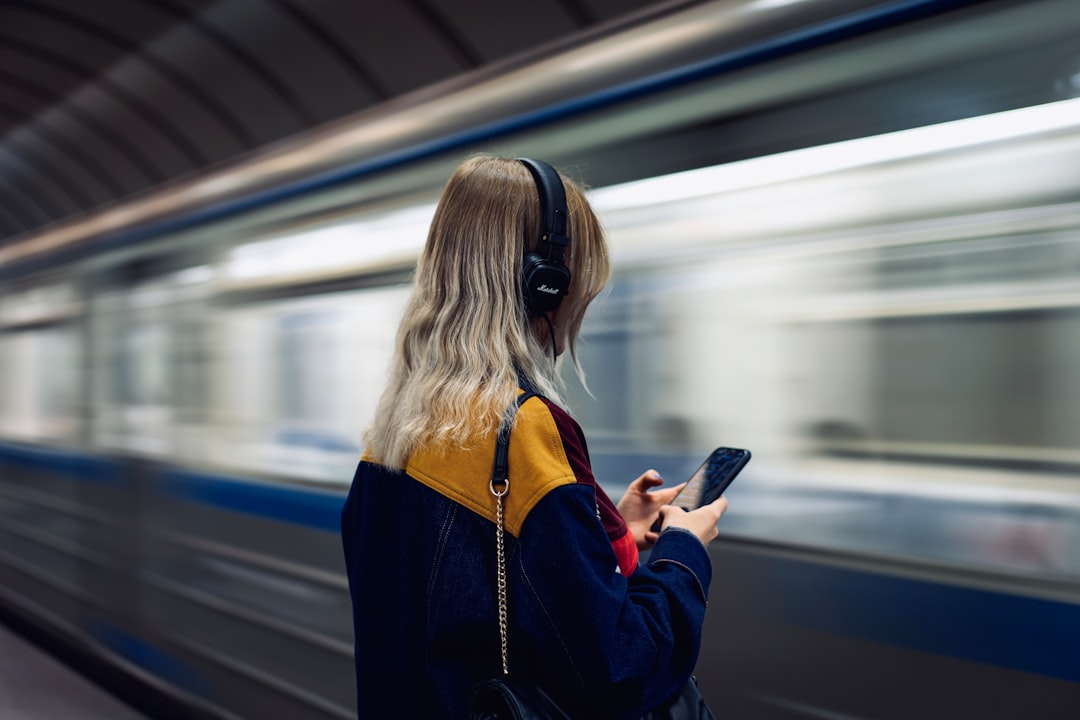
For many tourists, especially those staying less than two weeks, an eSIM is the most convenient option. It can usually be purchased online, installed with a QR code or app, and activated when the traveler reaches Austria. This removes the need to search for a mobile shop at the airport or in the city center.
The eSIM is particularly useful for people who want to keep their regular phone number active for calls, banking confirmations, or messaging apps. Many phones allow a physical SIM and an eSIM to work together, meaning tourists can use their home number for essential communication while routing data through the travel plan.
That said, visitors should check compatibility before buying. Not all phones support eSIM technology, and some devices may be locked to a home carrier. A serious provider should clearly state compatibility requirements, activation steps, data limits, and refund conditions. Travelers should avoid vague offers that do not identify the plan’s validity, region, or technical limitations.
Local SIM Cards: Still Valuable for Longer Stays
Physical prepaid SIM cards remain a strong choice for students, remote workers, seasonal visitors, and travelers staying in Austria for several weeks or months. They can sometimes provide larger data allowances at competitive prices. Local SIMs may also be suitable for people who need a local Austrian number, although many tourists do not require one.
The disadvantage is the additional effort. Visitors may need to find a retail location, provide identification, complete registration, and replace their existing SIM card. For some, this is a minor inconvenience. For others, especially those arriving late, traveling with family, or moving immediately to another city, the time cost is not worthwhile.
Security and Privacy Benefits
Using mobile data can be more secure than relying on unknown public Wi-Fi networks. Tourists often connect to Wi-Fi in airports, train stations, hotels, restaurants, and shopping areas, but not every network is equally safe. Some may be poorly configured, imitated by malicious actors, or shared by hundreds of users.
A mobile data connection reduces dependence on these networks. It is not a complete cybersecurity solution, but it lowers exposure during sensitive activities. Travelers should still use strong passwords, keep devices updated, enable two-factor authentication, and consider a reputable VPN when handling confidential information.
This matters because travel often involves urgent digital decisions: confirming a payment, opening a boarding pass, downloading a hotel invoice, or contacting a bank. In those moments, a stable and private connection is valuable.
Practical Advice Before You Arrive
Tourists can avoid most connectivity problems by preparing before departure. The following steps are sensible for anyone planning to use mobile data in Austria:
- Check whether your phone is unlocked and compatible with Austrian networks or eSIM technology.
- Compare roaming costs from your home provider with Austrian SIM or international eSIM offers.
- Install essential apps in advance, including maps, train apps, airline apps, hotel apps, and translation tools.
- Download offline content such as map regions, booking confirmations, and travel insurance documents.
- Keep your original SIM safe if you switch to a physical prepaid SIM.
- Monitor data usage through your phone settings during the trip.
These steps take little time but can prevent unnecessary stress, especially after a long flight or during a tight train connection.

Mobile Data and the Future of Tourism in Austria
The trend toward mobile-first travel is unlikely to reverse. Austria continues to invest in digital services, transport integration, and tourism infrastructure. Travelers increasingly expect to manage tickets, reservations, navigation, and communication from a smartphone. As a result, mobile data is becoming part of the standard travel experience.
This development also supports more independent tourism. Visitors can confidently explore beyond the most obvious attractions, using live information to reach smaller towns, local restaurants, hiking areas, museums, and cultural events. In that sense, reliable connectivity can improve not only convenience but also the depth of the travel experience.
However, good travel habits still matter. Mobile data should support awareness, not replace it. Tourists should remain attentive to local signs, weather warnings, transport announcements, and official guidance. In mountain areas, especially, digital tools must be combined with preparation and caution.
A Small Upgrade with a Significant Impact
For most visitors, arranging mobile data in Austria is a relatively small decision. Yet it can have a significant effect on the quality of the trip. It helps travelers move through unfamiliar places, respond to changes, protect personal information, and make better use of limited time.
Whether the best option is roaming, a local prepaid SIM, or an eSIM depends on the traveler’s needs. What is clear is that relying entirely on chance Wi-Fi is no longer the most reliable approach. Austria is an easy country to explore, but it becomes even easier when essential information is available at the moment it is needed.
For today’s tourist, mobile data is not a luxury add-on. It is a practical travel upgrade, increasingly chosen by people who want their Austrian journey to be smoother, safer, and more predictable from arrival to departure.
