Have you ever zoomed in on your house in Google Earth and wondered, “Is that my old car in the driveway?” You are not alone. Many people are curious about how often Google Earth updates its images. The answer is not as simple as a single date on a calendar. It depends on where you live, what kind of images you are looking at, and how much change is happening in your area.
TLDR: Google Earth does not update all images at the same time. Some places are updated every year, while others may take several years. Big cities and fast-growing areas get updates more often than rural regions. The exact timing depends on satellites, airplanes, and how important the location is.
How Google Earth Gets Its Images
Before we talk about updates, let’s look at where the pictures come from. Google Earth does not use one single camera floating in space. It collects images from different sources:
- Satellites orbiting Earth
- Airplanes flying over cities
- Drones in certain projects
- Government and mapping partners
Satellite images usually cover wide areas. They are great for showing large regions. But they may not always have the sharpest detail.
Airplane images are different. Planes fly lower than satellites. This means they can capture more detailed photos. This is why cities often look very sharp when you zoom in.
Google gathers images from all these sources. Then it processes them. This takes time. The images are stitched together. Colors are adjusted. Clouds are removed when possible. Only then do they appear in Google Earth.
So, How Often Does It Update?
The short answer is: It depends.
There is no global schedule. Google does not update the entire planet at once. Different places are updated at different times.
Here is a general idea:
- Major cities: Often every 1 to 3 years
- Suburban areas: Every 2 to 4 years
- Rural or remote areas: 3 to 5 years, sometimes longer
Some fast-growing cities may see updates even more often. Especially if there is new construction or major development.
On the other hand, a quiet farming area may not change much. So it may not be updated as quickly.
Why Some Places Update Faster
There are a few key reasons why your friend’s city might look newer than yours.
1. Population size
Big cities matter to more users. More people search for them. More businesses exist there. So they often get higher priority.
2. Construction and growth
If new buildings, roads, or neighborhoods are being built, updates are more important. Rapid change leads to more frequent imaging.
3. Weather conditions
Cloudy regions are harder to capture. Satellite images need clear skies. If it is always cloudy, updates may take longer.
4. Budget and logistics
Flying planes and launching satellites costs money. Google has to plan carefully. Not every place can be photographed every year.
Does Google Earth Update in Real Time?
This is a common myth. Many people think Google Earth shows live images. It does not.
Google Earth shows stored images. These were captured in the past. They could be months or even years old.
If you want near real-time images, you would need specialized satellite services. These are usually paid and used by governments or researchers.
Google Maps is also not live in most cases. Traffic updates are live. But satellite images are not.
How to Check the Image Date
You do not have to guess how old your image is. Google Earth lets you check.
Here is how:
- Open Google Earth on your computer
- Zoom into a location
- Look at the bottom of the screen
- You will see an image date listed
This date shows when that particular image was captured. Not when it was uploaded. That is an important difference.
In Google Earth Pro, you can even use a feature called Historical Imagery. This lets you travel back in time. You can slide through older images and see how a place has changed.
Image not found in postmetaThis feature is fascinating. You can watch neighborhoods grow. You can see forests disappear or return. You can even track construction projects from start to finish.
What About Street View?
Street View is a little different. It uses cars with cameras that drive through streets. Sometimes backpacks or special vehicles are used.
Street View updates follow their own schedule.
Busy cities may get updates every 1 to 2 years. Smaller towns may wait longer.
You can also check the date in Street View. It is usually shown in the corner of the screen.
Just remember. Street View and satellite images are separate systems. One might be newer than the other.
What If My House Is Wrong?
Sometimes you may notice something strange. Maybe your house looks blurry. Maybe a new building is missing. Or maybe your old shed is still there.
First, check the image date. It may simply be old.
If there is a major issue, you can send feedback to Google. Here is how:
- Open Google Earth
- Click on the menu
- Select Send Feedback
- Describe the problem
This does not guarantee a quick update. But it helps Google understand what users are seeing.
Why Some Images Look Different
Have you ever noticed color changes between areas? One area looks bright. Another looks darker. This happens because images come from different days or cameras.
Lighting matters. Season matters. Even the time of day matters.
A city photographed in summer will look green and full. The same city photographed in winter may look gray or brown.
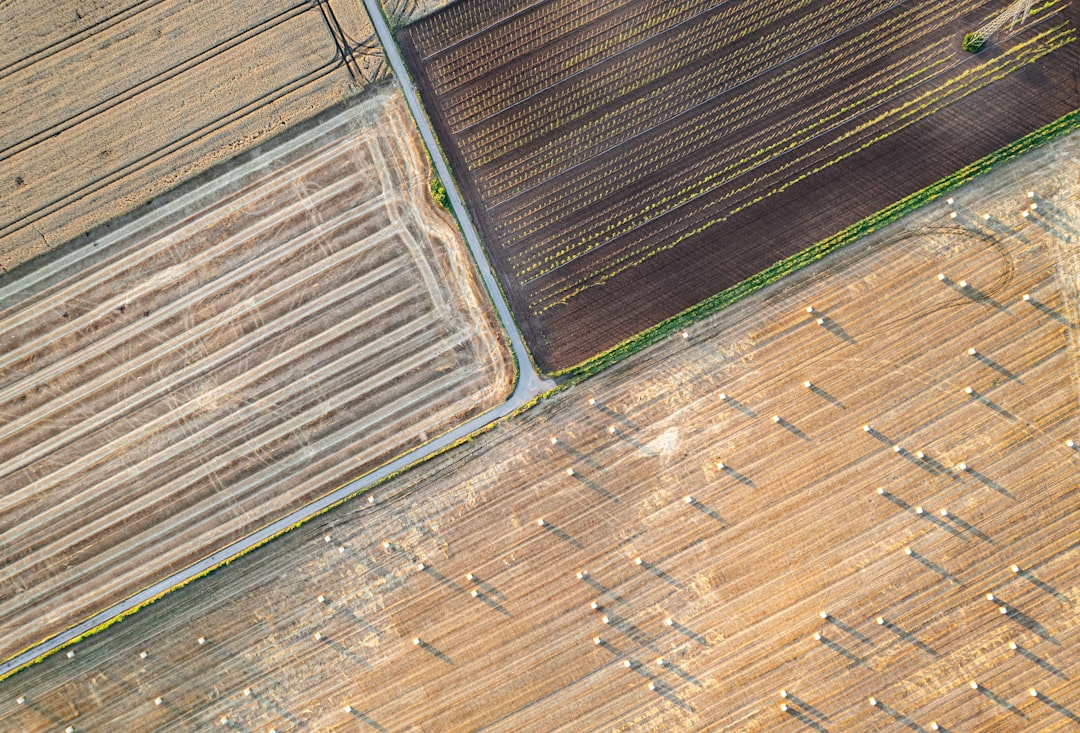
Google tries to blend images smoothly. But sometimes you can see the lines. It is like a giant patchwork quilt made of photographs.
Does Google Update After Natural Disasters?
Sometimes, yes.
After hurricanes, earthquakes, or wildfires, updated images may appear faster. This is especially true if the event was large and affected many people.
In these cases, new satellite images are very important. They help with:
- Damage assessment
- Emergency response
- Rebuilding plans
However, even in these cases, updates are not instant. It still takes time to capture and process the images.
Who Decides When to Update?
Google works with many image providers. These providers operate satellites and aircraft. They decide when to capture new imagery based on contracts, weather, and global demand.
Google then selects the best available images. It focuses on clarity, quality, and usefulness.
So the update schedule is a mix of:
- Availability of new imagery
- Quality standards
- User demand
- Budget priorities
Fun Facts About Google Earth Imagery
- Some images are sharp enough to show small cars clearly.
- Military bases are sometimes blurred in certain countries.
- You can explore ocean floors in some areas.
- Historical imagery can go back more than 20 years in some cities.
Google Earth is like a time machine. But it is not a live camera feed. It is more like a massive photo album of our planet.
The Big Takeaway
Google Earth usually updates images every 1 to 3 years in busy areas. Rural regions may wait longer. There is no single update day for the whole planet.
If your neighborhood looks outdated, do not worry. It does not mean Google forgot about you. It simply means your area is waiting for its next imaging cycle.
Next time you zoom in on your street, check the image date. Think about how much has changed since then. Cities grow. Rivers shift. Forests expand or shrink.
And somewhere above us, satellites and planes are quietly capturing the next snapshot of our world.
That new image might already be on its way.
