
Google Analytics is no longer just a website traffic reporting tool. Over the past few years, it has transformed into a sophisticated, AI-powered measurement platform designed to help businesses understand the entire customer journey—from first impression to repeat purchase and beyond. As marketing ecosystems grow more complex and privacy regulations reshape data collection, Google Analytics has evolved to unify data, predict behavior, and drive smarter business decisions. This shift marks a significant step toward making analytics not just descriptive, but truly strategic.
TLDR: Google Analytics has evolved from a traffic reporting platform into a full‑funnel, AI-powered business intelligence system. With GA4 at its core, it unifies cross‑platform data, leverages machine learning for predictive insights, and integrates deeply with Google’s advertising ecosystem. The platform now supports privacy-first measurement while offering advanced modeling and automation tools. Businesses can use it not only to measure performance, but also to inform strategic decision-making.
The Shift From Session‑Based Tracking to Event‑Driven Measurement
One of the most significant changes in the evolution of Google Analytics is the move from session-based tracking to an event-driven data model. In Universal Analytics, user interactions were grouped into sessions. While practical at the time, this model created limitations when tracking users across devices and platforms.
Google Analytics 4 (GA4) introduced a fully event-based structure. Every interaction—page views, clicks, scrolls, purchases, video engagement—is recorded as an event. This flexible framework allows businesses to:
- Track cross-device journeys more accurately
- Measure web and app activity within one property
- Customize tracking without complex tagging structures
- Create more precise funnel analyses
This transformation enables companies to analyze the entire customer lifecycle rather than focusing only on isolated sessions.
From Traffic Reports to Full‑Funnel Visibility
Modern marketers require more than pageview counts. They need clarity on how awareness campaigns influence consideration, how product pages drive intent, and how user behavior translates into revenue and retention.
Google Analytics now supports full‑funnel measurement by integrating data across different touchpoints:
- Acquisition data from paid, organic, social, and referral channels
- Engagement metrics such as scroll depth, video plays, and time spent
- Monetization insights including revenue attribution and purchase behavior
- Retention signals like repeat visits and customer lifetime value
Through integrated funnel exploration reports, businesses can visualize where users drop off and identify opportunities for optimization. Instead of viewing marketing channels in silos, decision-makers gain a coherent picture of how each stage of the journey contributes to growth.
The Integration of AI and Machine Learning
Perhaps the most transformative aspect of Google Analytics’ evolution is its deep integration of artificial intelligence and machine learning. GA4 uses Google’s AI capabilities to automatically surface insights, detect anomalies, and predict future behavior.
Key AI-powered features include:
- Predictive metrics such as purchase probability and churn probability
- Anomaly detection that flags unexpected spikes or drops in data
- Automated insights delivered proactively within the interface
- Predictive audiences for advanced targeting in Google Ads
These features transform analytics from a reactive reporting tool into a proactive decision-support system. Instead of manually searching for trends, marketers are alerted to opportunities or risks automatically.

For example, a retailer can create an audience of users with a high probability of purchasing within the next seven days. That audience can then be directly activated in Google Ads, bridging the gap between analytics and campaign execution.
Privacy‑First Measurement and Data Modeling
As third‑party cookies decline and regulations such as GDPR and CCPA reshape the digital landscape, Google Analytics has adapted with a privacy-first measurement framework.
GA4 relies increasingly on first-party data, consent mode integrations, and behavioral modeling. When users opt out of tracking, machine learning models help estimate conversions using aggregated and anonymized data. This ensures:
- Stronger compliance with privacy laws
- Reduced reliance on cookies
- More sustainable long‑term measurement strategies
Rather than depending solely on deterministic tracking, Google Analytics leverages probabilistic modeling to fill data gaps responsibly. This balance between privacy and insight has become critical for modern businesses.
Deeper Integration With the Google Ecosystem
Another factor driving the platform’s transformation is its seamless connection with the broader Google ecosystem. Google Analytics integrates natively with:
- Google Ads
- Search Console
- Display & Video 360
- BigQuery
- Google Tag Manager
This interconnected infrastructure enables a closed loop between measurement, activation, and optimization. Data collected in Analytics can inform bidding strategies in Google Ads. Advertising data can refine attribution models. Raw data exports to BigQuery allow for advanced data science applications.
For enterprise organizations, exporting GA4 data into BigQuery opens possibilities such as:
- Custom attribution modeling
- Advanced customer segmentation
- Revenue forecasting models
- Integration with CRM and offline data sources
This flexibility positions Google Analytics as more than a tracking solution—it becomes the core of a company’s data infrastructure.

Enhanced Attribution and Incrementality Insights
Attribution has long been a challenge in digital marketing. Traditional models like last-click attribution fail to represent the complexity of modern buyer journeys. Google Analytics now offers data-driven attribution powered by machine learning.
Data-driven attribution distributes credit across touchpoints based on their actual contribution to conversions. Combined with cross-channel visibility, this approach enables businesses to:
- Allocate budgets more effectively
- Identify undervalued channels
- Understand multi-touch customer journeys
As marketers increasingly seek incrementality insights—understanding what truly drives growth—Google Analytics continues to evolve its modeling capabilities. The integration of conversion modeling and enhanced conversions ensures more accurate reporting despite signal loss.
Customizable Reporting for Executive Decision‑Making
Google Analytics has moved beyond static dashboards toward customizable exploration tools. Decision-makers can build reports tailored to specific goals, such as:
- Marketing channel efficiency
- Product performance analysis
- Geographic revenue insights
- Customer lifetime value trends
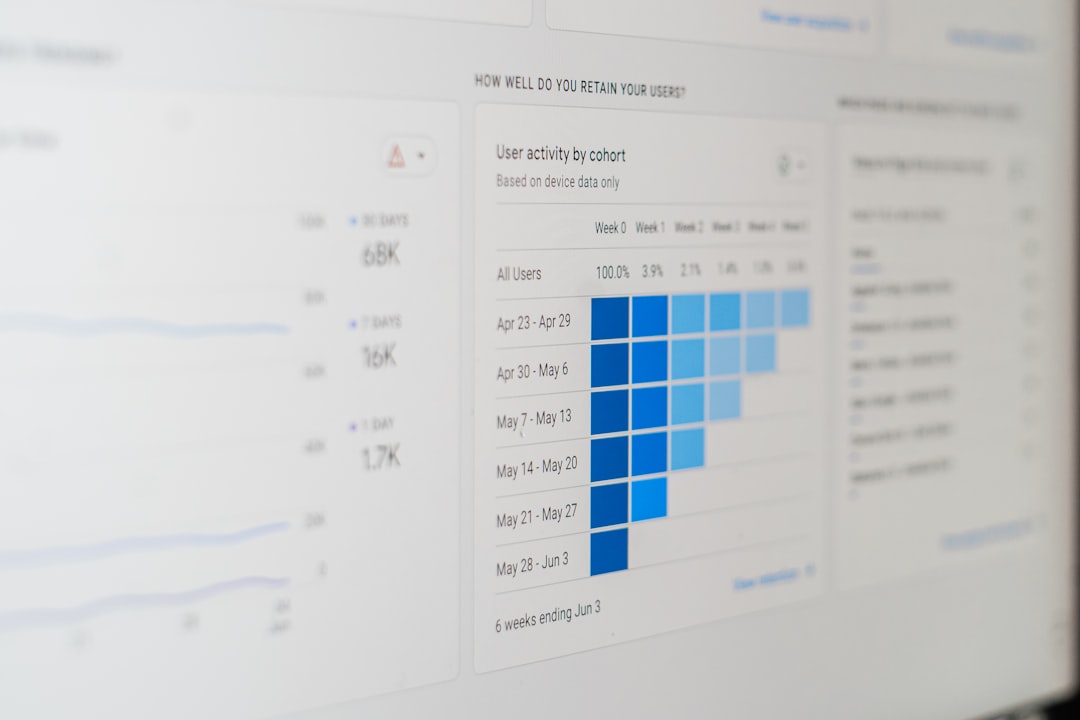
The platform’s exploration hub provides drag‑and‑drop functionality, enabling analysts to create advanced cohorts, segment overlaps, and path analyses without relying entirely on external tools.
This shift supports executive-level decision-making by translating raw behavioral data into actionable insight. Companies can assess not only what happened, but also what is likely to happen next—and how to respond.
From Measurement Tool to Strategic Growth Engine
The cumulative effect of these advancements is profound. Google Analytics is no longer confined to marketing departments. Its predictive capabilities, integration options, and business intelligence features make it relevant to:
- Marketing teams optimizing campaign performance
- Product teams analyzing feature engagement
- Sales teams understanding lead quality
- Executive leadership evaluating strategic growth initiatives
By unifying data across channels and applying AI-driven modeling, the platform acts as a strategic growth engine. Businesses can test hypotheses, forecast outcomes, and refine their go-to-market approach with greater confidence.
The Road Ahead
As AI technology advances and digital ecosystems become even more interconnected, Google Analytics is likely to deepen its automation capabilities. Future developments may include more advanced generative insights, automated campaign optimization suggestions, and tighter CRM integrations.
What remains clear is that analytics is shifting from passive observation to active intelligence. Organizations that embrace this evolution will be better positioned to compete in increasingly data-driven markets.
Frequently Asked Questions (FAQ)
1. How is GA4 different from Universal Analytics?
GA4 uses an event-based data model instead of a session-based one. It integrates web and app tracking into a single property, offers predictive metrics, and incorporates AI-driven insights and privacy-focused modeling.
2. What are predictive audiences in Google Analytics?
Predictive audiences are segments created using machine learning metrics such as purchase probability or churn risk. These audiences can be exported to Google Ads for targeted campaigns.
3. How does Google Analytics support privacy compliance?
GA4 includes consent mode, first-party data strategies, and behavioral modeling to estimate conversions when tracking data is limited. This ensures alignment with regulations like GDPR and CCPA.
4. Can Google Analytics be used for business intelligence?
Yes. Through custom explorations, BigQuery exports, and AI-powered insights, GA4 functions as a lightweight business intelligence platform that supports strategic decision-making beyond marketing.
5. Is Google Analytics suitable for enterprise organizations?
With features such as raw data exports, predictive analytics, and deep integrations with Google’s advertising and cloud ecosystem, GA4 is well-suited for both mid-sized and enterprise-level organizations.
6. Does Google Analytics replace traditional BI tools?
While it offers powerful analysis capabilities, many enterprises still use GA4 alongside dedicated BI platforms. However, its AI-driven insights and integration options significantly reduce the need for separate analytics systems in many cases.
