Fast internet used to mean “no buffering.” In 2026, it means a lot more. Smart homes. 8K streaming. Cloud gaming. Video calls in 4K. So what does 1 Gig internet actually feel like in real life?
TLDR: 1 Gig internet (1,000 Mbps) is extremely fast for most households in 2026. You can stream multiple 4K or even 8K videos, download huge games in minutes, and play online with very low lag. Real-world speeds are slightly lower than advertised, but still powerful enough for busy families, gamers, and remote workers. For most homes, 1 Gig is more than enough.
Let’s break it down in simple terms. No tech jargon. Just real-world examples.
First, What Does “1 Gig” Even Mean?
1 Gig internet equals 1 gigabit per second. That’s 1,000 megabits per second (Mbps).
Important note: Internet companies measure speed in bits. But downloads are measured in bytes.
- 8 bits = 1 byte
- 1,000 Mbps = around 125 megabytes per second (MB/s)
So if everything is perfect, you could download a 10GB file in about:
A little over 1 minute.
That’s fast.
What Does 1 Gig Feel Like for Streaming?

Let’s talk about Netflix, YouTube, Disney+, and Twitch.
How Much Speed Does Streaming Use?
- HD (1080p) = 5–10 Mbps
- 4K = 15–25 Mbps
- 8K = 50–100 Mbps
Now compare that to 1,000 Mbps.
You could theoretically stream:
- 100+ HD streams at once
- 40+ 4K streams at once
- 10–20 8K streams at once
That’s not realistic for one house. But it shows how much room you have.
Real-World Example
Imagine this setup:
- One person watching Netflix in 4K
- Another watching YouTube
- Two kids on tablets
- Someone on a Zoom call
- Smart home cameras uploading video
That might use 80–120 Mbps total.
With a 1 Gig connection, you’re barely touching your limit.
No buffering. No fighting for bandwidth. Just smooth streaming.
How Fast Is 1 Gig for Gaming?
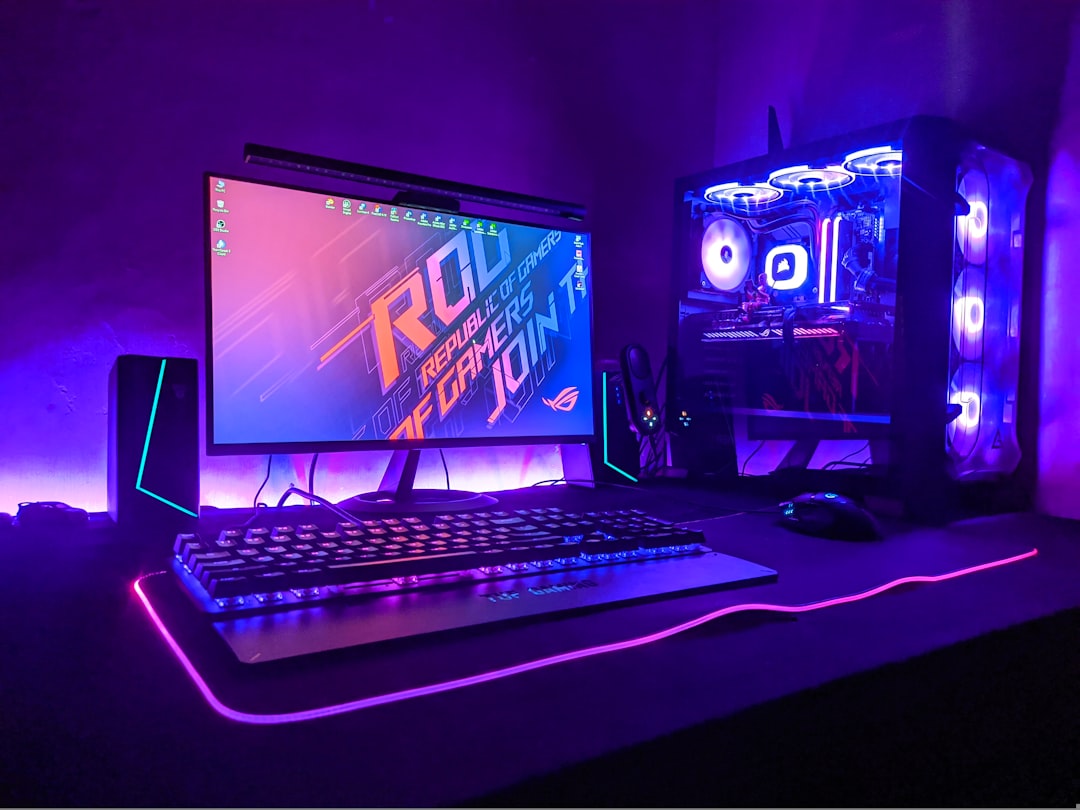
Here’s something surprising.
Online gaming does NOT use much bandwidth.
Most games use:
- 3–6 Mbps while playing
So why do gamers love gig internet?
1. Game Downloads
Modern games are huge.
- Call of Duty: 100–200 GB
- NBA 2K: 150 GB
- Large updates: 20–50 GB
Let’s do the math.
A 100 GB game on 1 Gig internet:
- Theoretical time: 13–15 minutes
- Real-world time: 15–25 minutes
On a 100 Mbps connection?
- 1.5 to 3 hours
That’s a big difference.
2. Lower Ping and Stability
Speed is not the same as latency.
But gig plans often come with:
- Fiber connections
- Better routing
- Lower congestion
This can mean:
- Lower ping
- Less packet loss
- Smoother competitive gameplay
For serious gamers, that matters.
How Fast Is 1 Gig for Downloads?
Let’s look at everyday downloads.
Movie Download (4K)
- Size: 20 GB
- Time on 1 Gig: 2–3 minutes
iPhone Software Update
- Size: 6 GB
- Time: Under 1 minute
100 GB Game
- Time: 15–25 minutes
That’s assuming ideal conditions.
In reality, speeds may land around 700–940 Mbps due to:
- Router limits
- WiFi interference
- Server speed limits
- Network congestion
Even then, it’s still extremely fast.
But Wait — WiFi vs Wired Matters

This is important.
If you plug directly into your router with an Ethernet cable, you might see:
900–940 Mbps
On WiFi?
- WiFi 5: 300–600 Mbps typical
- WiFi 6: 500–900 Mbps typical
- WiFi 6E / WiFi 7: 800+ Mbps possible
Your device also matters. A 5-year-old laptop won’t hit gig speeds over WiFi.
So yes, you have 1 Gig internet. But your device may not fully use it.
How Does 1 Gig Compare to Slower Plans?
| Speed Plan | 4K Streaming | 100GB Game Download | Good for Gaming? | Best For |
|---|---|---|---|---|
| 100 Mbps | 2–3 streams | 1.5–3 hours | Yes | Small households |
| 300 Mbps | 5–10 streams | 45–60 minutes | Very good | Families |
| 500 Mbps | 10–20 streams | 30–40 minutes | Excellent | Gamers + streamers |
| 1 Gig | 40+ streams | 15–25 minutes | Outstanding | Power users, smart homes |
For most households, even 300–500 Mbps feels fast.
1 Gig is luxury-level speed.
Is 1 Gig Overkill in 2026?
For some people? Yes.
You probably don’t need 1 Gig if:
- You live alone
- You stream in HD, not 4K
- You don’t download big games
- You don’t work from home
But you might love it if:
- Multiple people stream 4K daily
- You download massive games often
- You upload large video files
- You have 20+ smart devices
- You run a home office
In 2026, homes have more connected devices than ever.
Doorbells. Cameras. TVs. Consoles. Tablets. VR headsets.
It adds up.
What About Upload Speeds?
This part is huge.
Many fiber gig plans now offer:
- 1,000 Mbps download
- 1,000 Mbps upload
That’s called symmetrical speed.
This is amazing for:
- Uploading YouTube videos
- Backing up to the cloud
- Streaming on Twitch
- Sending massive work files
- Video conferencing in 4K
If you’re a content creator, this is a game changer.
How Fast Is It… Really?
Let’s paint a realistic picture.
You have:
- A fiber gigabit plan
- A modern WiFi 6 router
- Several active devices
Your real-world experience will likely be:
- 700–900 Mbps on good devices
- Instant streaming
- Near-instant app downloads
- Huge game installs in under 30 minutes
- Very low latency gaming
It feels instant. Almost invisible.
The internet just works.
The Bottom Line
In 2026, 1 Gig internet is extremely fast for home use.
It handles:
- Heavy streaming
- Massive downloads
- Competitive gaming
- Smart homes
- Remote work
For many households, it’s more than enough.
For power users, it feels perfect.
And unless you’re running a server farm in your garage, you probably won’t max it out.
But once you experience downloading a 100GB game in 20 minutes…
It’s very hard to go back.
