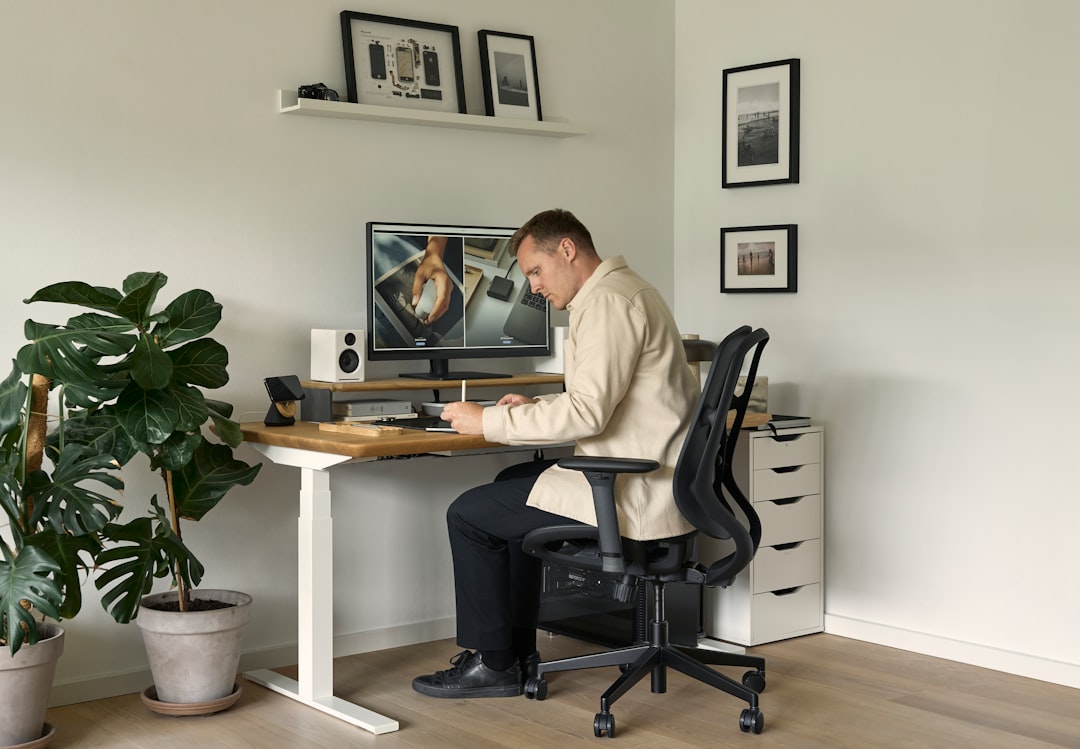
In today’s modern workplace, traditional suits have gradually taken a backseat to a more flexible and approachable dress code known as business casual. While the term “business casual” may sound simple, it presents a variety of interpretations that can be confusing or even risky if misapplied. Understanding how to master the balance between professionalism and comfort requires careful consideration of office norms, garment selection, and personal style.
TLDR: Too Long, Didn’t Read
Business casual for men is a polished yet relaxed dress code that typically excludes suits but still expects clean, neat, and appropriate attire. Key pieces include button-down shirts, chinos or dress slacks, leather shoes, and optional blazers. Always prioritize fit and grooming, and dress slightly more formally when uncertain. Business casual requires adapting to your industry’s culture while maintaining a professional appearance.
Understanding Business Casual
The term business casual can vary widely depending on industry, geographic region, and company culture. For a finance professional in Manhattan, business casual may mean a button-up shirt with wool trousers and leather loafers. In contrast, for a tech engineer in Silicon Valley, it might mean a high-quality polo shirt and jeans. Recognizing what business casual means in your specific environment is the first step toward mastering it.
That said, there are several foundational principles that apply across most office settings when it comes to business casual attire for men. Let’s examine them in detail.
Essential Components of a Business Casual Wardrobe
Building a functional business casual wardrobe starts with investing in high-quality, versatile items that can be mixed and matched easily. Here’s a breakdown of the essential pieces every man should consider:
- Dress Shirts: Standard button-down shirts in white, light blue, light gray, or subtle patterns are indispensable. Stick with cotton for breathability and structure.
- Polo Shirts: A clean, well-fitting polo in neutral or subdued tones is a summer-friendly option for business casual offices.
- Chinos and Dress Pants: Flat-front chinos in beige, navy, charcoal, and olive offer versatility. Wool slacks add a touch of polish, especially in cooler months.
- Blazers and Sport Coats: Though optional, a well-tailored blazer can instantly elevate your outfit and is helpful for presentations or meetings.
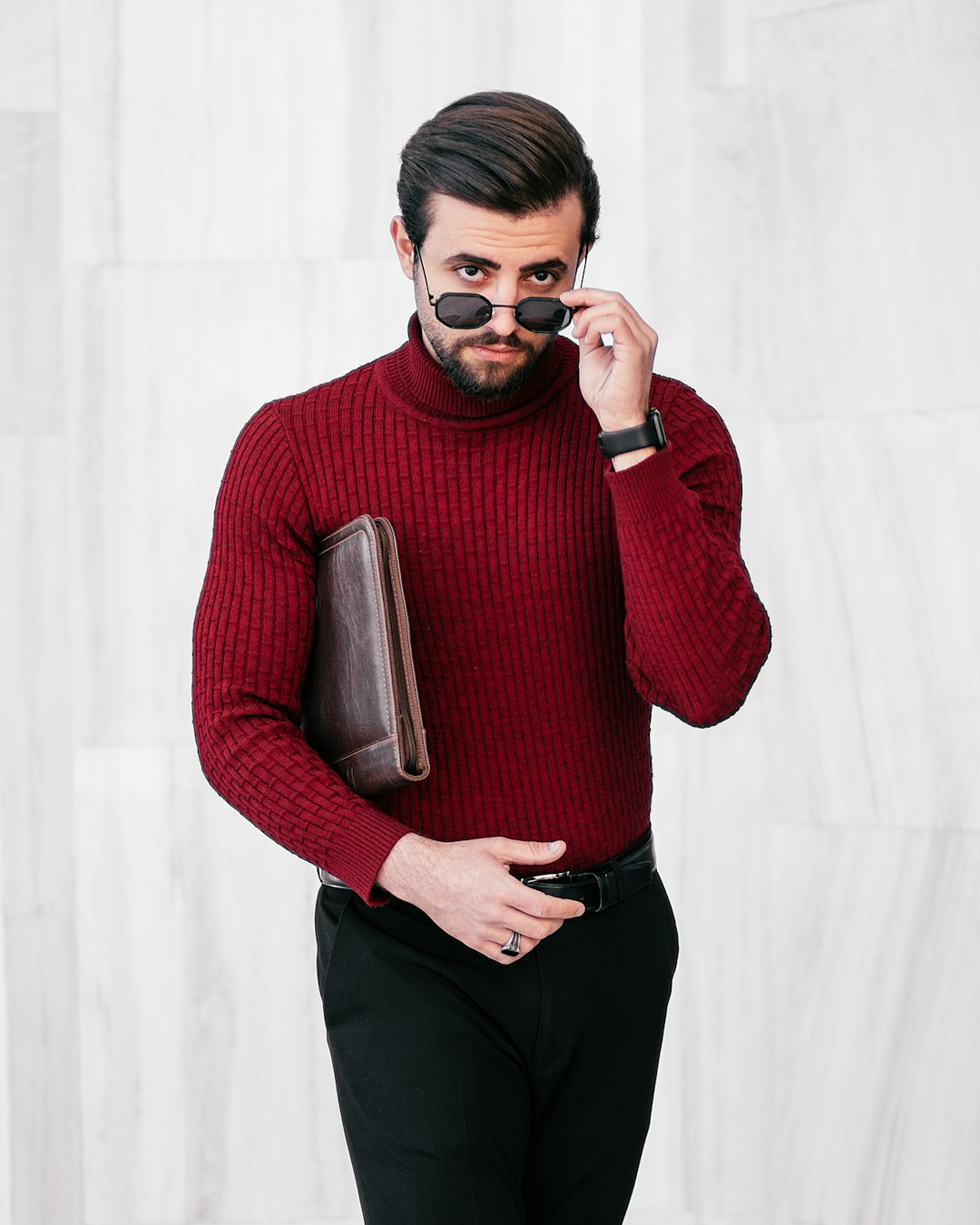
- Sweaters: V-necks, crewnecks, or zip-up cardigans work well layered over a shirt. Choose neutral colors and fine-gauge knits for a polished look.
- Shoes: Leather loafers, brogues, derbies, or clean dress sneakers are acceptable in most business casual offices. Always ensure they’re clean and well-maintained.

What to Avoid in Business Casual
Equally important as what to wear is knowing what to avoid. Too casual can quickly come off as careless, and overly formal may make you look disconnected from your peers.
Avoid the following in most business casual environments:
- T-shirts: Even expensive or branded T-shirts lack the structure for professional settings.
- Ripped or Distressed Jeans: Even if styled fashionably, they compromise the integrity of a business appearance.
- Graphic Prints: Loud logos or novelty prints detract from the refined image of business attire.
- Flip-flops and Athletic Sneakers: Besides being too casual, they also send the wrong impression regarding professionalism.
- Hoodies: These belong in casual settings or home offices, not professional environments.
The Fit Matters
Regardless of what clothing you choose, fit is paramount. Clothes that are too tight or baggy can be distracting and diminish credibility. When building your business casual wardrobe, consider tailoring common items such as:
- Shirts: The shoulder seams should align with your shoulders, and the chest should offer movement without pulling or ballooning.
- Pants: Aim for a tapered but comfortable fit. Hem length should reach the top of your shoes without excessive bunching.
- Blazers: Shoulders must fit precisely; sleeves should end near the wrist bone while allowing a half-inch of shirt cuff to peek through.
Don’t underestimate the power of professional tailoring. A $40 shirt can look like a $140 one with the right alterations.
Adapt According to Season
Styling your business casual look also means dressing with the seasons. You’ll need to adjust your wardrobe for practicality and comfort while meeting dress expectations.
Spring/Summer:
- Opt for lighter fabrics like cotton, linen blends, or performance fibers that breathe with ease.
- Light-colored shirts and khakis offer a fresh, clean appearance appropriate for warmer weather.
- Consider no-show socks with loafers or low-profile dress shoes.
Fall/Winter:
- Introduce wool, corduroy, and heavier cottons for added warmth and texture.
- Layer appropriately with cardigans, merino wool sweaters, and unstructured blazers.
- Opt for darker tones such as charcoal, burgundy, forest green, and navy.
Combining Colors and Patterns
One of the subtler arts of business casual dressing is combining colors and patterns tastefully. Start by mastering neutral pairings and build slowly from there. Here’s a simple guide:
- Neutrals First: White, gray, navy, beige, and black are the pillars of any coordinated outfit.
- One Color Pop: Add a pop of color through a shirt, socks, or pocket square. Avoid over-clashing.
- Pattern Restraint: Subtle patterns like checks, stripes, or herringbone work well. When in doubt, balance a patterned piece with solid colors in the rest of your outfit.
Color awareness displays attention to detail and fashion literacy, both of which are attractive qualities in a professional environment.
The Finishing Touches: Grooming and Accessories
Business casual isn’t just about clothes; it extends to your grooming and accessories. These factors subtly but powerfully influence perception.
- Grooming: Keep facial hair neat and trimmed. Nails should be clean, and hair should complement the outfit in tidy styling.
- Belt: Match your belt color with your shoes for cohesiveness. Minimal, metal-tone buckles are preferred.
- Watch: A clean analog watch adds polish and understated elegance.
- Bag: Ditch the backpack in favor of a leather messenger bag or sleek briefcase.
These finishing touches are subtle yet can greatly elevate your image, leaving a lasting impression of precision and care.
What To Wear on Casual Fridays?
Casual Fridays provide more leeway but still demand professionalism. It’s unwise to see it as a green light for anything goes. Instead, opt for:
- Dark, clean, non-distressed jeans paired with a tucked-in button-down shirt.
- Layer with an unstructured blazer or a fine-gauge knit sweater.
- Switch leather shoes for minimalist sneakers only in ultra-casual office settings.
Always measure the general tone of your workplace before dressing down further.
A Final Word: Confidence and Consistency
Dressing well is a non-verbal statement of confidence, self-awareness, and respect for the work environment. Business casual should not be viewed as ambiguous or relaxed to the point of sloppiness. Instead, it’s a chance to cultivate a blended image of credibility and approachability.
If you’re ever in doubt, err on the side of being slightly overdressed rather than underdressed. Showing up polished demonstrates seriousness toward both your work and your professional identity.
Mastering business casual attire is more than understanding rules—it’s about applying them consistently and with personal flair. With a well-curated wardrobe and an eye for detail, every man can own the business casual space with style and confidence.
