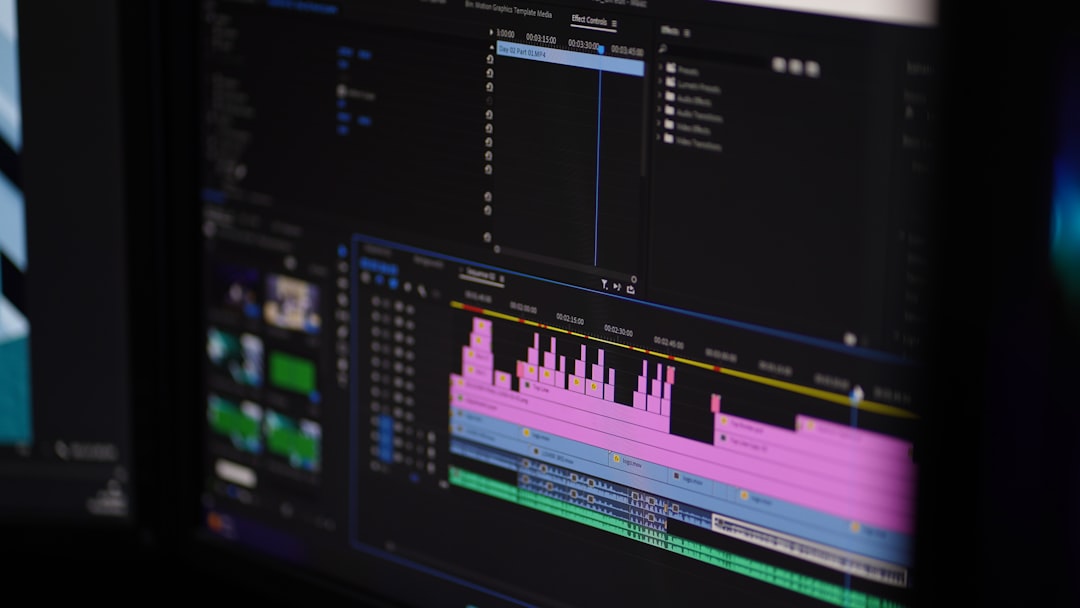
Video has become the centerpiece of modern digital marketing, helping brands communicate complex ideas quickly while building emotional connections with their audiences. From social media reels to in-depth product demos, video content consistently outperforms static formats in engagement and conversion rates. For marketers aiming to stand out in crowded feeds, using the right video marketing tools is no longer optional—it is essential for creating compelling, data-driven campaigns that deliver measurable impact.
TLDR: Video marketing tools help marketers create, edit, distribute, and analyze engaging campaigns more efficiently. The best platforms combine ease of use, automation, analytics, and collaboration features to maximize return on investment. This article highlights five top video marketing tools that empower teams to produce professional-quality content and optimize performance. A FAQ section at the end addresses common concerns about choosing and using these tools.
Why Video Marketing Tools Matter
Modern consumers prefer video over text when learning about products or services. According to multiple industry studies, video increases engagement, boosts dwell time, and improves conversion rates across websites and social media platforms. Yet producing high-quality content consistently can be challenging without the right technology.
Professional video marketing tools allow marketers to:
- Create polished videos without advanced technical skills
- Edit content quickly using templates and automation
- Distribute videos across multiple channels seamlessly
- Track and analyze audience engagement metrics
- Collaborate efficiently with team members
Selecting the right tools ultimately determines how efficiently campaigns move from concept to conversion.
1. Adobe Premiere Pro – Advanced Editing for Professional Campaigns
Adobe Premiere Pro remains one of the most powerful video editing platforms available. Designed for professionals, it offers advanced features that enable marketers to produce broadcast-quality campaigns.
Key Features:
- Multi-track editing and timeline precision
- AI-powered color correction and audio cleanup
- Seamless integration with Adobe Creative Cloud
- Extensive export formats optimized for social platforms
Marketing teams producing brand films, in-depth product demonstrations, or storytelling campaigns benefit most from this platform. Its customization capabilities allow precise control over visuals and sound design, ensuring brand consistency.
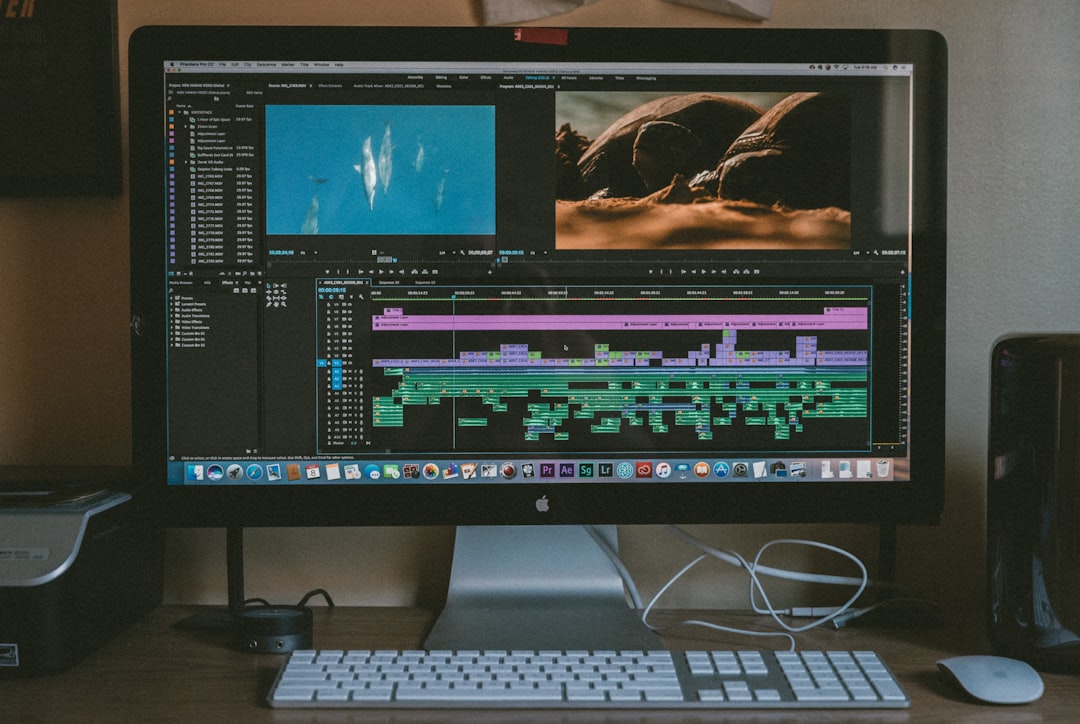
Best for: Brands with dedicated creative teams seeking full control over editing and post-production.
2. Canva Video – User-Friendly Design for Social Media Content
Canva Video has revolutionized content creation for non-designers. Its drag-and-drop interface, pre-built templates, and vast media library make video production accessible to marketers at all skill levels.
Key Features:
- Thousands of customizable video templates
- Stock footage, music, and animations
- Quick resizing for Instagram, TikTok, YouTube, and LinkedIn
- Brand kit integration for consistent visuals
Marketers managing fast-paced social media campaigns appreciate Canva’s efficiency. Instead of spending hours editing from scratch, teams can customize templates aligned with brand guidelines and publish within minutes.
Best for: Small businesses, startups, and content marketers who need quick, visually appealing videos without advanced editing complexity.
3. Vidyard – Video Hosting and Personalized Campaigns
Creating engaging videos is only part of the equation. Distribution, personalization, and tracking are equally critical. Vidyard excels in marketing-focused video hosting and performance analytics.
Key Features:
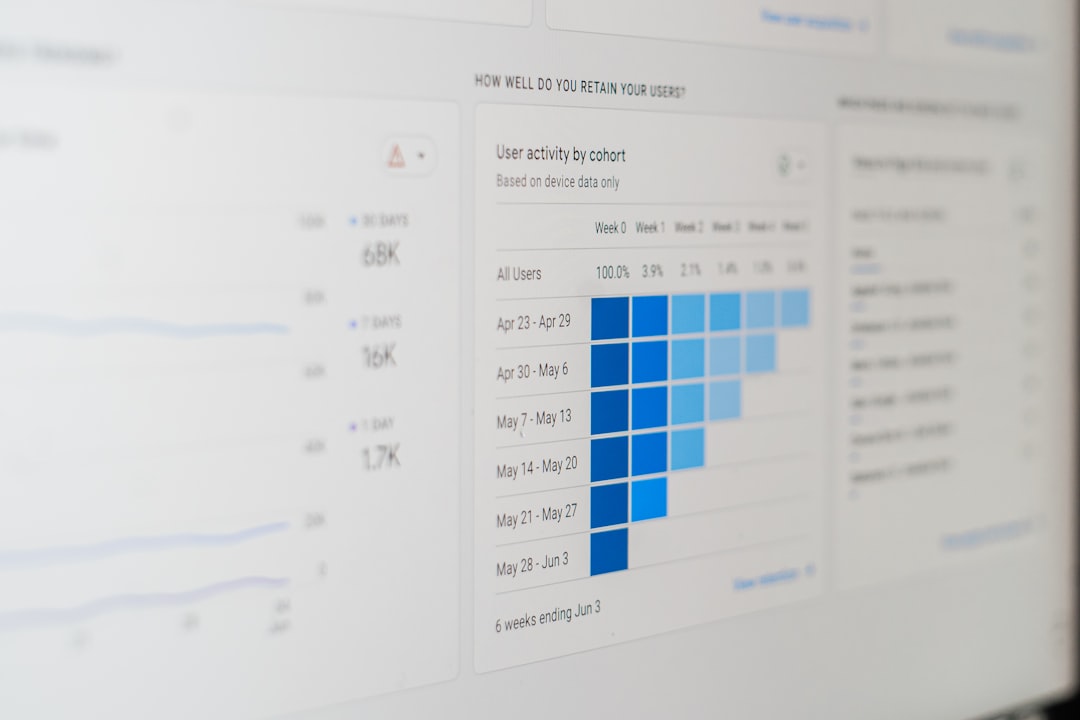
- Video analytics with viewer-level insights
- Personalized video messaging for sales teams
- CRM and marketing automation integration
- Customizable video landing pages
Vidyard enables marketers to monitor how viewers interact with videos—identifying drop-off points and engagement peaks. Sales teams can send personalized video messages, increasing email response rates and strengthening relationships.
Best for: B2B marketers and sales-driven teams focusing on lead generation and measurable ROI.
4. Animoto – Simplified Video Creation for Campaign Speed
Speed matters in digital marketing. Animoto simplifies video creation through storyboard-based editing, enabling marketers to transform images, video clips, and text into professional content in minutes.
Key Features:
- Drag-and-drop storyboard interface
- Licensed music library
- Ready-made templates for ads and promotions
- Cloud-based collaboration
This platform is particularly effective for producing social ads, promotional announcements, and event recaps quickly. Animoto’s intuitive structure reduces the technical learning curve while delivering quality output.
Best for: Marketers who prioritize speed and simplicity when launching time-sensitive campaigns.
5. Wistia – Data-Driven Video Marketing and Hosting
Wistia stands out for its powerful marketing analytics and customization features. More than just a hosting solution, it provides marketers with detailed insights to refine campaigns and maximize engagement.
Key Features:
- Customizable video player branding
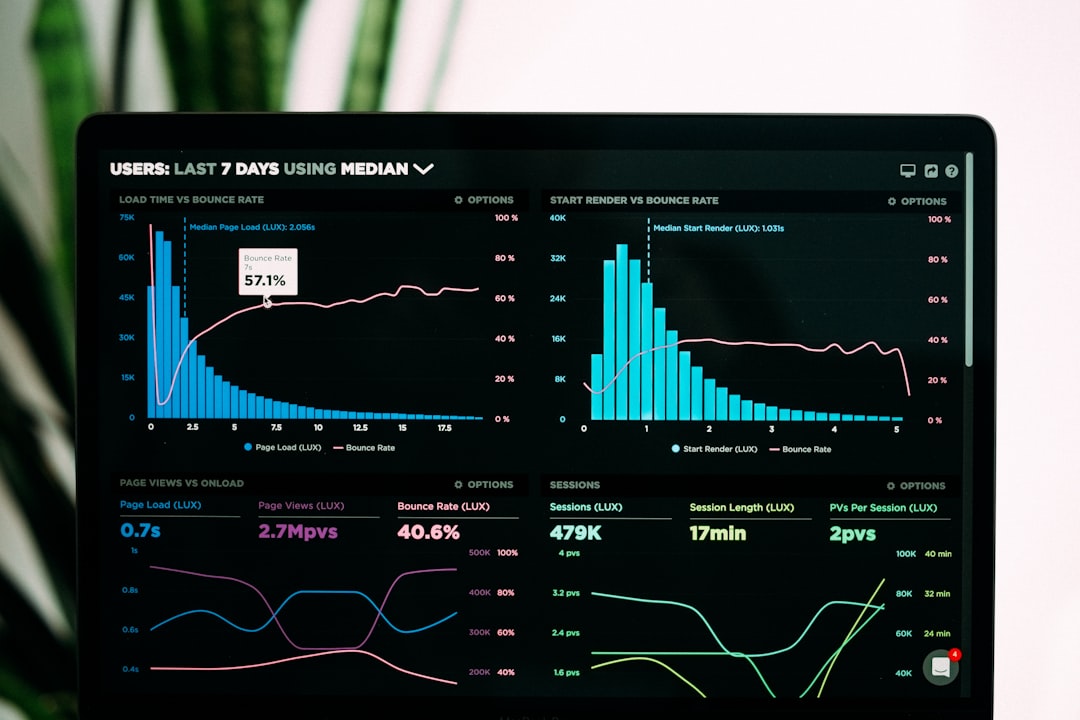
- Heatmaps tracking viewer behavior
- Email capture and built-in calls to action
- Advanced integrations with marketing tools
One of Wistia’s strongest advantages is its heatmap functionality. Marketers can see exactly which sections of a video viewers rewatch or skip, allowing continuous content optimization.
Best for: Businesses focused on long-term video strategy, customer journey optimization, and lead capture.
How to Choose the Right Video Marketing Tool
While each of these tools excels in specific areas, choosing the right one depends on a company’s goals, budget, and workflow.
Marketers should consider:
- Skill Level: Is the team experienced in video editing?
- Budget Constraints: Does the tool offer scalable pricing?
- Campaign Objectives: Is the goal brand awareness, lead generation, or engagement?
- Integration Needs: Does it connect with CRM, email marketing, or analytics platforms?
- Analytics Capabilities: Are performance insights robust enough for data-driven decisions?
Often, companies combine tools—for example, using Adobe Premiere Pro for editing and Wistia or Vidyard for hosting and analytics.
The Future of Video Marketing Tools
As artificial intelligence continues to evolve, video marketing platforms are integrating smart automation features. AI-powered editing, automatic caption generation, voice enhancements, and predictive analytics are becoming standard components.
Short-form content is also shaping tool development. Platforms are prioritizing vertical formats, automated cropping, and social media optimization to meet the growing demand for mobile-first content.
In addition, interactive video capabilities—such as clickable elements, embedded surveys, and branching storylines—are creating immersive experiences that increase viewer retention.
Conclusion
Video marketing remains one of the most impactful strategies available to modern marketers. However, the success of any campaign depends heavily on the tools supporting its creation and distribution. Adobe Premiere Pro provides professional-grade editing, Canva Video and Animoto simplify fast production, while Vidyard and Wistia deliver powerful hosting and analytics capabilities.
By aligning tool selection with campaign objectives and team expertise, marketers can create engaging, measurable video initiatives that drive brand growth, increase engagement, and strengthen customer relationships.
Frequently Asked Questions (FAQ)
-
1. What is the most important feature in a video marketing tool?
The most important feature depends on campaign goals. For brand storytelling, advanced editing features matter most. For lead generation, analytics and CRM integrations are essential. -
2. Are free video marketing tools sufficient for professional campaigns?
Free tools can work for basic social media content, especially for startups. However, larger campaigns usually require premium features like advanced analytics, collaboration, and branding customization. -
3. How can marketers measure video campaign success?
Success can be measured through metrics such as view count, completion rate, engagement rate, click-through rate, and conversion rate. Platforms like Wistia and Vidyard provide in-depth tracking tools. -
4. Is it necessary to use multiple video marketing tools?
In many cases, yes. Some tools specialize in editing while others focus on hosting or analytics. Combining platforms often creates a more comprehensive workflow. -
5. How often should marketers update their video strategy?
Video strategies should be reviewed quarterly. Regular updates ensure alignment with audience preferences, algorithm changes, and emerging content trends. -
6. What type of videos generate the highest engagement?
Short-form videos, authentic behind-the-scenes content, product demonstrations, tutorials, and personalized messages typically achieve high engagement across social and email channels.
