Computing is entering a period in which static systems, fixed workloads, and isolated infrastructure are no longer sufficient. Organizations increasingly rely on real-time data, distributed devices, artificial intelligence, and highly variable demand. Flux computing describes an emerging technology vision in which computation continuously adapts to changing conditions: workload, location, data availability, energy cost, security posture, and business priority.
TLDR: Flux computing is a model for building adaptive, distributed, and resource-aware computing systems. Instead of treating infrastructure as fixed, it treats computation as a dynamic flow that can move across cloud, edge, devices, and specialized processors. Its promise is better efficiency, resilience, and responsiveness, especially for AI, automation, and real-time digital services. The challenge is creating trustworthy standards, secure orchestration, and practical governance.
What Flux Computing Means
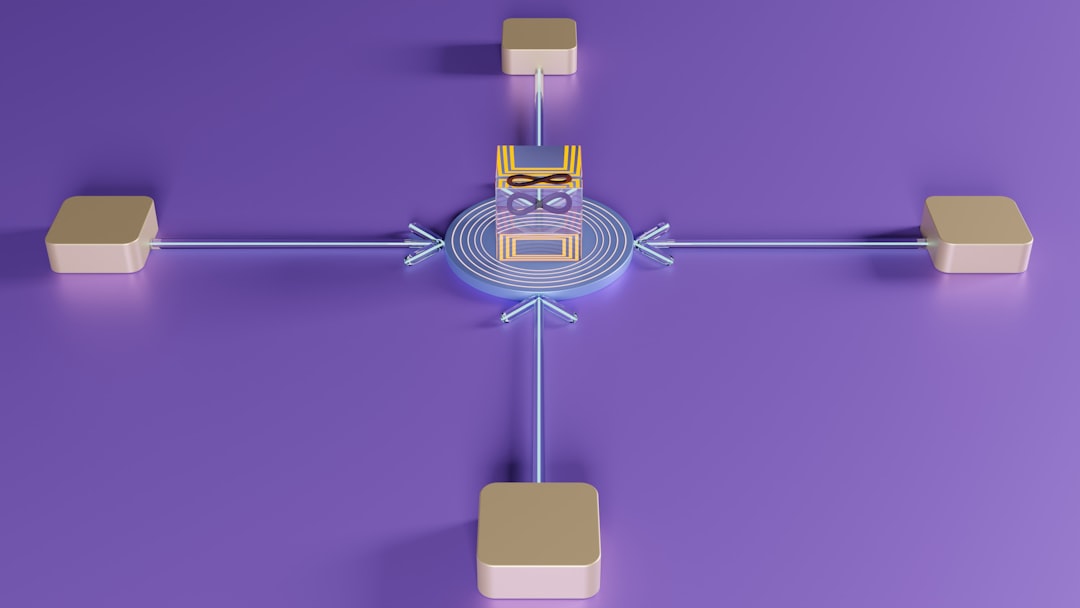
At its core, flux computing is not a single product or one specific hardware architecture. It is better understood as a systems philosophy supported by several maturing technologies. The central idea is that computation should be placed, shaped, and scaled according to live conditions rather than predefined assumptions.
Traditional computing models often assume that an application runs in a known environment: a server, a data center, a cloud region, or a user device. Even cloud computing, despite its elasticity, typically depends on planned deployments and relatively stable boundaries. Flux computing goes further. It imagines software, data pipelines, and processing tasks as flexible entities that can shift across a heterogeneous environment.
In this model, a workload might begin on an edge device, move to a nearby micro data center for latency reasons, use a cloud service for large-scale AI inference, and then return summarized results to local systems. The movement is not random. It is governed by policy, performance requirements, security rules, cost constraints, and environmental considerations.
The Technologies Behind the Vision
Flux computing depends on the convergence of several technical foundations. None of these foundations is entirely new, but their integration creates a more adaptive computing fabric.
- Cloud and edge computing: Cloud platforms provide scale, while edge nodes provide proximity to users, machines, sensors, and physical environments.
- Containerization and orchestration: Technologies such as containers, service meshes, and workload schedulers make applications more portable and easier to move.
- AI-driven operations: Machine learning can help predict demand, detect anomalies, allocate resources, and tune systems automatically.
- Specialized processors: GPUs, TPUs, FPGAs, neuromorphic chips, and other accelerators allow workloads to run on hardware optimized for specific tasks.
- Real-time data infrastructure: Streaming platforms, event-driven systems, and low-latency networks support continuous decision-making.
- Zero trust security: Dynamic systems require identity, verification, encryption, and policy enforcement wherever computation occurs.
Together, these technologies support a world where computing resources behave less like fixed machines and more like a managed energy grid. Capacity, intelligence, and data can be routed to where they create the most value.
Why Flux Computing Matters
The pressure behind flux computing comes from practical needs. Modern digital systems must respond to unpredictable conditions. A hospital monitoring network may need immediate local processing during an emergency. A logistics company may need to reroute AI workloads when network connectivity is degraded. A financial platform may need to process fraud signals in milliseconds while preserving strict audit controls.
In each case, the question is not simply, “Where is the server?” The better question is, “Where should this computation happen right now?” Flux computing provides a framework for answering that question continuously.
This shift matters because computing demand is becoming more uneven. Artificial intelligence workloads can be extremely resource-intensive, while internet-connected devices generate data at the edge of networks. At the same time, organizations are under pressure to reduce energy use, manage cloud costs, improve reliability, and comply with regional data regulations. A static infrastructure strategy struggles to satisfy all of these goals at once.
Core Principles of Flux Computing
A trustworthy flux computing strategy rests on several principles. These principles help distinguish serious architecture from vague technological optimism.
- Workload mobility: Applications and tasks should be designed so they can move between environments without excessive rewriting.
- Context awareness: Systems should understand latency, bandwidth, energy price, data sensitivity, user location, and hardware availability.
- Policy-based control: Automation must be guided by clear rules, not uncontrolled self-optimization.
- Observability: Operators need deep visibility into performance, security events, data movement, and cost implications.
- Resilience by design: Failure should be expected, isolated, and handled without causing widespread service disruption.
- Human accountability: Even highly automated systems must remain explainable and governable by responsible teams.
These principles are especially important because adaptive systems can become difficult to understand. A platform that moves workloads automatically may improve efficiency, but it can also create compliance, debugging, and security challenges if not carefully managed.
Architecture: From Fixed Stack to Fluid Fabric
Conventional enterprise architecture is often described in layers: hardware, operating systems, middleware, applications, and interfaces. Flux computing retains these layers but makes the relationships between them more dynamic. The architecture becomes a fluid fabric across multiple resource zones.
Such a fabric may include central cloud regions, private data centers, edge facilities, industrial gateways, mobile devices, and embedded systems. Above them sits an orchestration layer that decides where workloads should run. This layer evaluates conditions such as service-level objectives, data sovereignty, processing urgency, and infrastructure health.

Data management is equally important. Moving computation is often more efficient than moving massive data sets. For example, a smart factory may process video locally to detect equipment issues, sending only metadata or alerts to the cloud. This approach can reduce latency, bandwidth consumption, and privacy risk.
Applications in the Real World
Flux computing is relevant across many industries, particularly where digital systems interact with physical environments.
- Healthcare: Medical imaging, remote monitoring, and emergency response systems can benefit from local processing combined with cloud-scale analysis.
- Manufacturing: Industrial automation requires fast decisions near machines, while long-term optimization may depend on centralized analytics.
- Transportation: Autonomous vehicles, traffic systems, and logistics platforms need continuous adaptation to changing conditions.
- Energy: Smart grids can use distributed computation to balance production, storage, and consumption in real time.
- Financial services: Fraud detection and risk analysis can combine low-latency local decisions with broader cloud intelligence.
- Media and entertainment: Interactive streaming, gaming, and immersive experiences require computation close to end users.
These examples show that flux computing is not merely about technical elegance. It is about building systems that match the operational realities of modern organizations.
The Role of Artificial Intelligence
Artificial intelligence is both a driver and an enabler of flux computing. AI workloads require significant processing capacity, especially during training and large-scale inference. At the same time, AI can help manage the complexity of distributed infrastructure.
For example, predictive models can forecast workload spikes and prepare resources before demand arrives. Anomaly detection can identify failing nodes or suspicious traffic. Optimization algorithms can place workloads where they meet performance goals at the lowest practical cost.
However, AI-driven orchestration must be treated carefully. Decisions about data movement, security controls, and service availability should not be left to opaque systems without oversight. Responsible flux computing requires measurable policies, audit trails, and the ability to override automated decisions when necessary.
Security and Governance
Security is one of the most serious concerns in any flux computing environment. As computation becomes more mobile, the attack surface can expand. Workloads may run across different providers, jurisdictions, devices, and trust zones. This makes traditional perimeter-based security inadequate.
A mature approach should include zero trust architecture, strong identity management, encrypted communication, hardware-based attestation where appropriate, and continuous compliance monitoring. Every workload, device, user, and service should be authenticated and authorized according to current context.
Governance is equally critical. Organizations must know where data is processed, who can access it, how long it is retained, and which regulations apply. Automated placement decisions must respect these constraints. Without governance, flux computing could become a source of legal and operational risk rather than strategic advantage.
Energy Efficiency and Sustainability
One of the most compelling aspects of flux computing is its potential contribution to sustainability. Data centers consume substantial energy, and AI workloads are increasing demand. A flux-oriented approach can shift non-urgent workloads to times or locations where renewable energy is more available or electricity is less carbon-intensive.
This does not mean every workload can wait or move freely. Critical systems must prioritize safety, latency, and reliability. But for batch analytics, model training, rendering, and other flexible tasks, energy-aware scheduling can reduce environmental impact. Over time, sustainability may become a first-class optimization goal alongside cost and performance.
Challenges to Adoption
Despite its promise, flux computing faces real obstacles. The first is complexity. Distributed adaptive systems are harder to design, test, monitor, and secure than centralized systems. Organizations need skilled teams and reliable platforms.
The second challenge is interoperability. For flux computing to mature, workloads must move across diverse environments without excessive lock-in. Open standards, common APIs, and portable runtime environments will be essential.
The third challenge is trust. Executives and regulators will expect evidence that automated infrastructure decisions are safe, explainable, and compliant. Vendors and engineering teams must provide transparency, documentation, and auditability.
The Long-Term Vision
The broader vision of flux computing is a world in which computation becomes more responsive to human and organizational needs. Infrastructure would no longer be treated as a passive background utility. Instead, it would act as an intelligent, policy-governed fabric that continuously aligns resources with purpose.
This vision is ambitious, but it is grounded in visible trends: edge computing, AI operations, software-defined infrastructure, specialized chips, and sustainability requirements. The future will not be a single massive cloud or a return to isolated local servers. It will likely be a carefully managed continuum.
For organizations, the practical path is to begin with specific use cases. Identify workloads that suffer from latency, cost volatility, data locality constraints, or resilience requirements. Design them for portability, observability, and policy-based control. Over time, these projects can form the foundation of a broader flux computing strategy.
Conclusion
Flux computing represents a serious evolution in how digital infrastructure is conceived and operated. It responds to a world where data is everywhere, AI is increasingly central, and operational conditions change constantly. Its value lies in making computation more adaptive, efficient, secure, and context-aware.
The technology is still developing, and the term will likely continue to evolve. Nevertheless, the underlying direction is clear. The next generation of computing will be less about fixed locations and more about intelligent movement, governed flexibility, and trustworthy adaptation. Organizations that understand this shift early will be better prepared for the demands of real-time, distributed, and responsible digital systems.
