Choosing accounting software is not just a technical decision; it affects how quickly you invoice customers, reconcile bank accounts, track inventory, pay employees, and understand whether your business is actually making money. AccountingEdge has long appealed to small businesses that want full-featured desktop accounting without being forced entirely into a browser-based workflow. But in a market now dominated by cloud platforms, the big question is simple: is AccountingEdge still worth it?
TLDR: AccountingEdge is worth considering if you prefer desktop accounting software, need strong inventory features, and want a traditional small-business bookkeeping system with solid reporting. It is less ideal if you want a modern cloud-first experience, deep app integrations, or the easiest possible interface for beginners. For established businesses that value control and offline access, it can still be a practical choice. For startups that want automation and mobile convenience, cloud accounting tools may be a better fit.
What Is AccountingEdge?
AccountingEdge is small-business accounting software designed to handle core financial tasks such as invoicing, accounts payable, banking, payroll, inventory, time billing, and reporting. It is often recognized for its desktop-based approach, which gives businesses direct control over their accounting file and day-to-day workflow.
Unlike many newer platforms that run entirely in the cloud, AccountingEdge has traditionally focused on a locally installed experience. That can be a major advantage for businesses that do not want to depend on internet access for every transaction. At the same time, it can feel less modern for users who expect automatic syncing, mobile dashboards, and integrations with dozens of online tools.

Who Is AccountingEdge Best For?
AccountingEdge is best suited for small to midsize businesses that want more than basic bookkeeping but do not necessarily need a full enterprise accounting system. It may be especially useful for companies that sell physical products, manage inventory, or need detailed customer and vendor records.
It can be a good fit for:
- Retailers and wholesalers that need item tracking, purchase orders, sales orders, and inventory reports.
- Service businesses that bill by time, project, or customer.
- Businesses with in-house bookkeepers who are comfortable with traditional accounting software.
- Companies that prefer desktop software instead of subscription-heavy cloud platforms.
- Users who want offline access to accounting data without relying on constant internet connectivity.
However, AccountingEdge may not be the best choice for a solo freelancer who only needs simple invoicing and expense tracking. It may also feel too old-school for teams that want real-time collaboration from multiple locations.
Key Features of AccountingEdge
One of AccountingEdge’s biggest strengths is that it offers a broad set of accounting tools in one system. It is not just an invoice generator or expense tracker. It is a more complete bookkeeping platform with features that can support a growing business.
1. Invoicing and Sales
AccountingEdge allows users to create invoices, quotes, orders, and customer statements. You can track sales by customer, item, salesperson, or job. This is useful for business owners who want to understand not only how much they are selling, but where revenue is coming from.
The invoicing tools are functional and flexible, though not always as sleek as what you might find in newer cloud apps. If appearance and online payment convenience are your top priorities, you may find the experience somewhat traditional. But for detailed sales tracking, it gets the job done.
2. Expense Tracking and Accounts Payable
AccountingEdge includes vendor management, bills, recurring transactions, and payment tracking. You can enter bills, schedule payments, and monitor what your business owes. This gives owners a clear view of short-term cash obligations.
The accounts payable tools are particularly helpful for businesses that buy inventory, work with many suppliers, or need to keep close tabs on payment due dates.
3. Inventory Management
Inventory is one area where AccountingEdge has historically stood out. Many basic accounting programs treat inventory as an afterthought, but AccountingEdge includes stronger item tracking capabilities than many entry-level tools.
You can manage quantities, costs, sales prices, item numbers, and supplier details. For product-based businesses, this can be a major advantage because accounting and inventory records stay connected.

4. Banking and Reconciliation
Bank reconciliation is a core part of any accounting system, and AccountingEdge provides tools for matching transactions and keeping accounts accurate. The workflow is familiar for users who have experience with traditional bookkeeping software.
That said, users looking for highly automated bank feeds and rules-based categorization may find some cloud alternatives faster. AccountingEdge works well, but it may require more hands-on involvement depending on your setup.
5. Payroll Tools
Payroll availability and functionality can depend on region and product version, so businesses should check current support before committing. Where available, payroll features can help manage employee pay, deductions, taxes, and related reporting.
This is an important consideration: payroll is one of the most compliance-sensitive areas of accounting. Before choosing AccountingEdge primarily for payroll, confirm that it supports your location, tax requirements, and filing needs.
6. Reporting
AccountingEdge offers a strong selection of financial reports, including profit and loss statements, balance sheets, sales reports, receivables, payables, inventory reports, and job-related reports. These reports help business owners move beyond simple transaction entry and actually analyze performance.
For users who like detailed reporting and traditional accounting structure, this is one of the software’s most appealing qualities.
Ease of Use: Powerful, But Not Always Modern
AccountingEdge is not the hardest accounting software to learn, but it is also not the most beginner-friendly option on the market. Its interface is built around classic accounting workflows, which can be reassuring to experienced bookkeepers but slightly intimidating to new users.
The learning curve depends heavily on your background. If you understand concepts such as accounts receivable, accounts payable, general ledger, and reconciliation, AccountingEdge will feel logical. If you are brand new to bookkeeping, you may need time to get comfortable.
The biggest usability tradeoff is between control and simplicity. AccountingEdge gives users a lot of control, but that control can come with more screens, more setup, and more manual decision-making.
Pros of AccountingEdge
- Comprehensive feature set: It covers invoicing, expenses, banking, inventory, payroll, and reporting.
- Strong inventory tools: A good option for businesses that sell products.
- Desktop control: Useful for owners who prefer local access and do not want to rely fully on the cloud.
- Detailed reporting: Offers useful insights into profitability, cash flow, receivables, payables, and stock.
- Traditional accounting structure: Works well for bookkeepers and accountants who prefer established workflows.
Cons of AccountingEdge
- Less modern interface: It may feel dated compared with newer cloud accounting tools.
- Limited cloud convenience: Not ideal for teams that need seamless remote collaboration.
- Learning curve: New business owners without accounting experience may need training.
- Integration limitations: It may not connect as easily with modern ecommerce, payment, CRM, or automation tools.
- Version and platform considerations: Users should carefully check current compatibility, support, and feature availability.
Pricing and Value
Whether AccountingEdge is a good value depends on what your business needs from accounting software. If you only need to send a few invoices each month and categorize expenses, it may be more software than necessary. In that case, a lightweight cloud platform may give you better value and less complexity.
But if you need inventory, job tracking, detailed accounting, and local data control, AccountingEdge can offer meaningful value. Its worth comes from depth rather than trendiness. It is not trying to be the flashiest tool; it is trying to be a practical accounting system for real business operations.
Before buying, compare the current cost against alternatives and ask yourself:
- Do I need inventory management built into accounting?
- Will I use the reporting features regularly?
- Do I prefer desktop access over cloud-only access?
- Will my accountant or bookkeeper be comfortable with it?
- Does it support my payroll, tax, and compliance needs?
If the answer to most of these questions is yes, AccountingEdge may be worth the investment.
AccountingEdge vs Cloud Accounting Software
The main competition for AccountingEdge comes from cloud accounting platforms. Cloud tools usually win on convenience. They often provide automatic bank feeds, mobile apps, online payment options, third-party integrations, and easier collaboration with accountants.
AccountingEdge, on the other hand, may appeal to users who want ownership-style control over their accounting environment. Some business owners simply prefer not to have all financial activity dependent on a web browser, monthly cloud access, or internet availability.
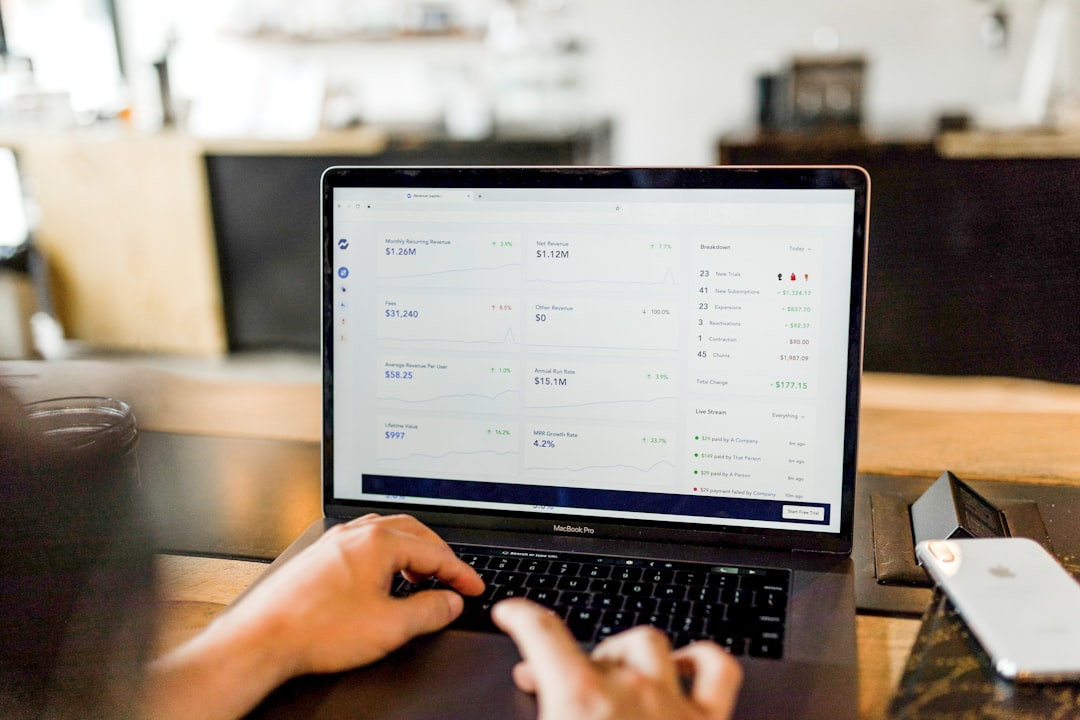
In practical terms, cloud software is often better for mobility and automation, while AccountingEdge can be better for structured desktop accounting and inventory depth. Neither approach is universally better. The right choice depends on how your business operates.
Customer Experience and Support Considerations
Support is an important factor with any accounting software. Because financial data is critical, you do not want to be stuck without help when something goes wrong. Prospective users should review current support options, documentation, update policies, and community feedback before making a decision.
It is also wise to involve your accountant before switching. Even if AccountingEdge fits your internal workflow, your accountant may prefer a different system for year-end adjustments, tax preparation, or file sharing. A quick conversation can prevent future frustration.
Is AccountingEdge Worth It?
AccountingEdge is worth it for the right business, but it is not the right accounting software for everyone. Its biggest strengths are depth, inventory capability, reporting, and desktop-based control. For businesses that value those qualities, it remains a serious option.
However, if you want a highly automated, cloud-native experience with lots of integrations and a polished modern interface, you may find AccountingEdge less appealing. It is better described as reliable and capable than cutting-edge.
The best way to think about AccountingEdge is this: it is a tool for businesses that want accounting software with substance. It may not impress users looking for simplicity above all else, but it can be very useful for owners who need detailed financial management and are willing to work within a traditional system.
Final Verdict
AccountingEdge remains a worthwhile accounting solution for small businesses that need robust features, especially those dealing with inventory, sales orders, vendor bills, and detailed financial reports. It offers more control than many cloud-first tools, but it also asks for more commitment from the user.
If your business is growing, has complex bookkeeping needs, and prefers desktop software, AccountingEdge deserves a close look. If your priority is ease, mobility, and automation, you may want to compare it carefully with newer cloud alternatives before deciding.
Bottom line: AccountingEdge is worth it if you need a capable, traditional accounting platform and are comfortable with a more hands-on workflow. It is not the most modern option, but for the right business, it can still be a dependable and valuable part of financial management.
