
Academic research moves quickly, and scholars, students, librarians, and analysts often need reliable ways to locate full-text PDFs without wasting time on broken links, duplicate records, or questionable sources. OceanPDF tools can be understood as a collection of PDF-focused discovery, organization, and verification methods that help users find academic and research documents more efficiently. The best tools do more than search: they filter results, identify open-access versions, extract citations, organize files, and support ethical access to scholarly material.
TLDR: OceanPDF tools are most useful when they help researchers find legitimate academic PDFs, verify article details, and organize downloaded materials. The strongest options include academic PDF search tools, DOI lookup features, open-access finders, citation extractors, and PDF metadata analyzers. Researchers should prioritize tools that connect to trusted repositories, university archives, journals, and open-access databases rather than unreliable download sources.
Why OceanPDF Tools Matter for Academic Research
Finding academic PDFs is not always as simple as typing a title into a search engine. Many papers are stored across journal websites, institutional repositories, preprint servers, government archives, and university databases. Some versions are freely accessible, while others require subscriptions or institutional credentials. A good OceanPDF workflow helps a researcher identify the right version, confirm that it is complete, and save it in a way that can be cited later.
In academic settings, accuracy matters. A poorly labeled PDF, an incomplete scan, or an outdated preprint can create confusion. That is why the best OceanPDF tools focus on discovery, verification, organization, and access compliance. They help users locate papers while respecting copyright, publisher policies, and open-access rules.
1. Academic PDF Search Tools
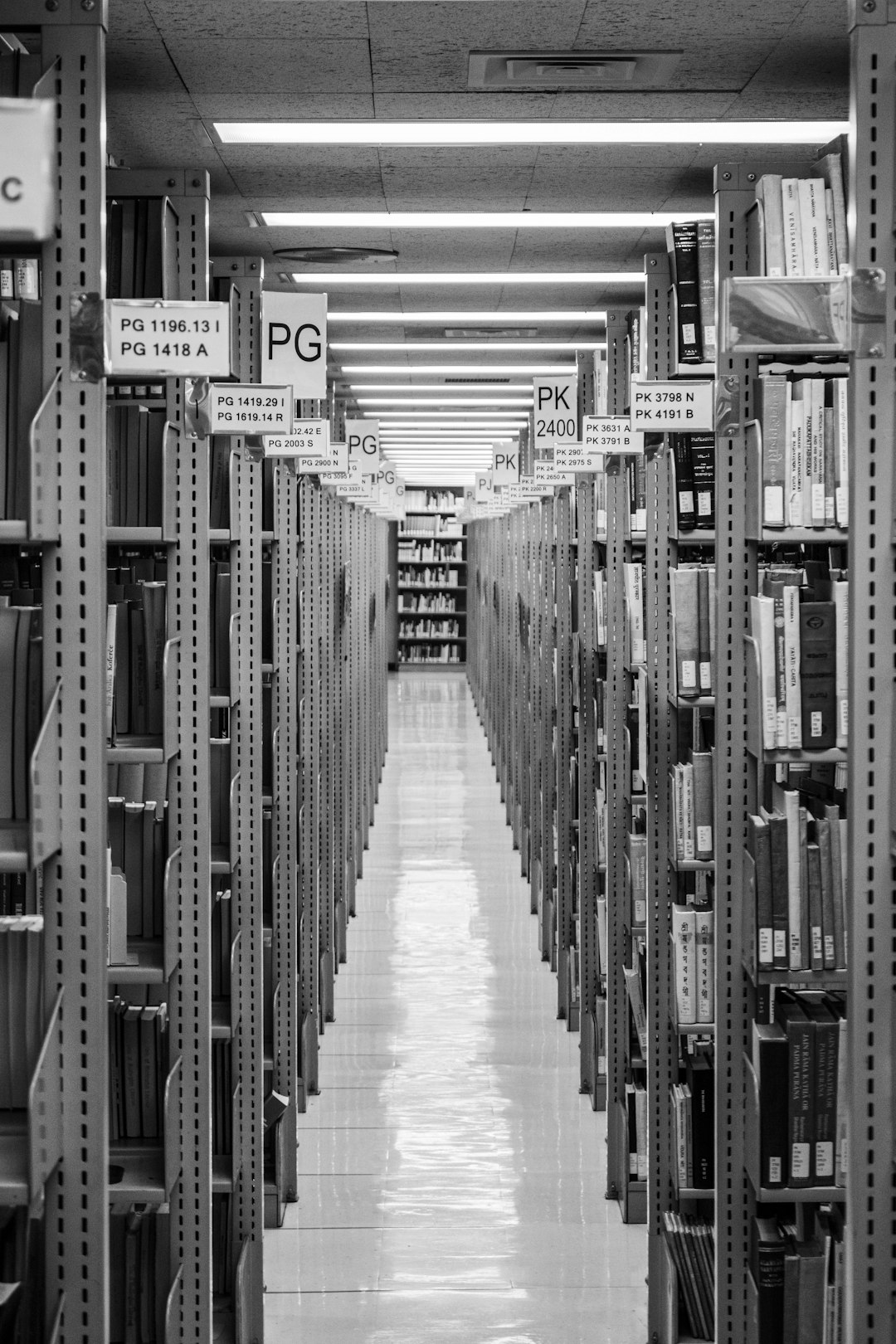
The most essential OceanPDF tool is an academic PDF search feature. This type of tool searches across scholarly sources and prioritizes results that include downloadable PDF files. Unlike general web searches, academic PDF search tools often recognize paper titles, author names, abstracts, journal names, and publication dates.
A strong academic PDF search tool should allow users to search by:
- Paper title for exact article discovery
- Author name for tracking a researcher’s publications
- Keywords for broader literature reviews
- Publication year for recent or historical research
- Journal or conference name for source-specific searching
These tools are especially helpful for students beginning a literature review. Instead of opening dozens of unrelated pages, they can focus on results that are more likely to contain full academic PDFs. The best systems also separate peer-reviewed content from blog posts, slides, and informal uploads.
2. DOI and Title Lookup Tools
A DOI lookup tool is one of the most precise ways to find a research PDF. DOI stands for Digital Object Identifier, and it acts as a permanent reference for scholarly work. When a researcher has a DOI, the search becomes much more targeted. The tool can locate the official publisher page, identify open-access versions, and help confirm the paper’s metadata.
Title lookup tools are useful when the DOI is unknown. A researcher can paste the article title into the tool and receive matched results from journals, repositories, and academic indexes. This is helpful when working from bibliographies, reading lists, or citations found in other papers.
The value of DOI and title lookup tools lies in precision. They reduce the risk of downloading the wrong article or confusing similar titles. For systematic reviews and formal academic work, this kind of accuracy is essential.
3. Open-Access PDF Finders
Open-access PDF finders are among the most important OceanPDF tools because they help users locate legal, free versions of research papers. Many authors upload accepted manuscripts to university repositories, funder archives, or subject-specific databases. These versions may be available even when the final journal page is behind a paywall.
A reliable open-access finder checks multiple sources, such as:
- Institutional repositories managed by universities
- Preprint servers for early research versions
- Government research databases and public archives
- Publisher open-access pages
- Author-uploaded manuscripts when permitted by policy
This kind of tool benefits both independent researchers and university users. It also supports ethical scholarship by directing users to versions that authors or institutions have made publicly available.

4. PDF Metadata Analyzers
A PDF metadata analyzer checks the hidden and visible information inside a PDF file. Academic PDFs often include metadata such as title, author, subject, creation date, journal name, and keywords. When this information is correct, reference managers and research databases can organize files more effectively.
However, many PDFs have poor metadata. A downloaded article may have a file name like download.pdf or article final version revised.pdf. Without proper metadata, researchers can quickly lose track of important sources. A metadata analyzer helps identify missing or incorrect fields and allows the user to rename or categorize the file more accurately.
This tool is particularly valuable for researchers managing large libraries. It can make hundreds of PDFs easier to search, sort, and cite. In collaborative projects, clean metadata helps teams avoid duplicate files and citation errors.
5. Citation Extraction Tools
Citation extraction tools identify references inside a PDF and convert them into usable citation formats. This is useful when a researcher wants to follow the sources cited in an article, build a bibliography, or import references into a citation manager.
A strong citation extractor can recognize common academic formats, including APA, MLA, Chicago, IEEE, and Vancouver. It may also detect DOIs, journal names, volume numbers, page ranges, and author lists. When paired with an academic PDF search tool, citation extraction can turn one useful article into a path toward dozens of related sources.
Researchers should still review extracted citations manually. Automated tools are helpful, but they can misread scanned documents, unusual formatting, or references split across lines. Even so, citation extraction saves significant time during literature reviews and thesis preparation.
6. Repository Discovery Tools
Repository discovery tools help users locate academic PDFs stored in trusted archives. These repositories may belong to universities, research institutes, professional organizations, or public agencies. They often contain theses, dissertations, working papers, technical reports, datasets, and accepted manuscripts.
For certain subjects, repository discovery can be more effective than searching journal websites alone. Fields such as economics, computer science, education, medicine, and public policy often have valuable research available through repositories before or alongside formal publication.
The best repository tools offer filters for institution, subject, author, file type, and publication date. They also indicate whether a PDF is a preprint, accepted manuscript, dissertation, or final published version. This context helps researchers cite the correct version and understand how the document fits into the scholarly record.
7. Full-Text PDF Preview Tools
Full-text preview tools allow users to inspect a PDF before downloading it. This feature is useful because academic searches sometimes return irrelevant files, supplementary materials, book chapters, or abstracts instead of complete papers. A preview tool lets the researcher quickly check whether the PDF includes the full article, figures, tables, references, and publication details.
Preview tools are especially helpful for researchers with slow connections or limited storage. They also reduce clutter in a research folder by preventing unnecessary downloads. When reviewing many papers, being able to skim the abstract, methodology, and conclusion before saving the file can make the discovery process much faster.
8. Smart PDF Organization Tools
Finding PDFs is only the first step. Research becomes much easier when documents are organized properly. Smart organization tools automatically rename files, group them by topic, tag them with keywords, and connect them with citation records.
Useful organization features include:
- Automatic file renaming using author, year, and title
- Topic tagging for literature review categories
- Duplicate detection to remove repeated downloads
- Folder creation by project, course, or research theme
- Annotation support for notes and highlights
For long-term academic work, organization tools are as important as search tools. A researcher may find hundreds of PDFs during a project, but only a well-organized library remains useful months or years later.

9. Alerts and Monitoring Tools
Research does not stop after one search. Alerts and monitoring tools help users track new PDFs on specific topics, authors, journals, or keywords. This feature is valuable for graduate students, academics, policy researchers, and professionals who need to stay updated in fast-moving fields.
An alert tool can notify the user when a new paper appears in a repository, when an author publishes a new article, or when a keyword shows up in a newly indexed PDF. This makes academic discovery more proactive. Instead of repeating the same searches every week, researchers can receive updates automatically.
10. Ethical Access and Source Verification Tools
Any article about OceanPDF tools should emphasize responsible access. Academic PDFs should come from legal and trustworthy sources, including publishers, repositories, libraries, government archives, and author-approved uploads. Source verification tools help users check where a PDF came from and whether it appears to be an official or authorized version.
Important verification signs include a recognized journal page, a university repository domain, a clear DOI, author information, publication details, and consistent formatting. If a tool cannot identify the source or provides suspicious files, researchers should avoid using that document in formal work.
Ethical PDF discovery protects authors, institutions, and readers. It also reduces the risk of malware, corrupted documents, inaccurate versions, and citation problems.
How to Choose the Best OceanPDF Tool
The right tool depends on the researcher’s goal. A student writing a short essay may need only a simple academic PDF search and citation tool. A doctoral researcher may need open-access discovery, metadata cleaning, alerts, and advanced organization. A librarian may prefer tools that verify sources and integrate with catalog systems.
Before choosing an OceanPDF tool, users should consider:
- Accuracy: Does it find the correct paper and version?
- Source quality: Does it connect to reliable academic repositories?
- Ease of use: Can researchers search and filter quickly?
- Organization: Does it help manage downloaded PDFs?
- Citation support: Can it export references properly?
- Compliance: Does it support legal open-access discovery?
The strongest research workflow usually combines several tools rather than relying on only one. A researcher might begin with a title search, check for an open-access version, preview the PDF, extract citations, and then save the file with clean metadata.
Conclusion
OceanPDF tools can make academic research faster, cleaner, and more reliable when they focus on legitimate PDF discovery and careful document management. The top tools include academic PDF search engines, DOI lookup systems, open-access finders, metadata analyzers, citation extractors, repository discovery tools, preview features, smart organizers, alerts, and source verification systems.
For students and professionals alike, the best approach is not simply to collect as many PDFs as possible. It is to find the right PDFs, confirm their source, organize them clearly, and cite them accurately. When used responsibly, OceanPDF tools can turn a scattered search process into a structured academic workflow.
FAQ
What are OceanPDF tools?
OceanPDF tools are PDF-focused research and discovery tools that help users find, verify, organize, and cite academic and research PDFs from reliable sources.
Are OceanPDF tools useful for students?
Yes. They can help students locate scholarly PDFs, build reading lists, extract citations, and organize sources for essays, reports, and dissertations.
Can OceanPDF tools find free academic papers?
Many tools can help locate open-access versions of papers through legal sources such as university repositories, preprint servers, government archives, and publisher open-access pages.
What is the most important feature in an academic PDF finder?
The most important feature is reliable source discovery. A good tool should connect users to trustworthy academic sources and help confirm that the PDF matches the correct title, author, and publication details.
Should researchers trust every PDF they find online?
No. Researchers should verify the source, check the DOI or publication details, and make sure the PDF is complete, accurate, and legally accessible before citing or sharing it.
How can researchers organize downloaded PDFs?
They can use smart PDF organization tools that rename files, add metadata, create folders, detect duplicates, and connect documents with citation records.
Do OceanPDF tools replace academic databases?
No. They are best used alongside academic databases, library catalogs, journal websites, and institutional repositories. Together, these resources create a stronger research workflow.
