
Modern libraries manage far more than shelves of printed books. They curate digital collections, research data, multimedia materials, and licensed electronic resources while serving users both onsite and remotely. To meet these demands efficiently and accurately, institutions rely on advanced library management platforms such as Alma and other comparable systems. These tools streamline cataloging, improve discovery, centralize workflows, and ultimately expand access to knowledge in measurable ways.
TLDR: Library management tools like Alma bring together cataloging, acquisitions, circulation, and digital access into a unified platform. They automate repetitive processes, standardize metadata practices, and provide data-driven insights for smarter decision-making. By integrating print and digital collections, these systems make discovery faster and more reliable for users. The result is greater operational efficiency and improved access to information.
As academic, public, and special libraries grow more complex, the need for robust, interoperable systems has become essential rather than optional. Older integrated library systems (ILS) were often siloed and limited in handling electronic resources. Today’s cloud-based library services platforms (LSPs) offer holistic solutions that improve cataloging accuracy and expand user access across multiple channels.
The Evolution of Library Management Systems
Traditional ILS platforms focused primarily on circulation and print cataloging. However, the rapid growth of electronic journals, ebooks, institutional repositories, and streaming media required a new approach. Modern library management tools like Alma embrace:
- Cloud infrastructure for scalability and reliability
- Unified resource management for print, electronic, and digital materials
- Collaborative metadata networks that reduce duplication of effort
- Advanced analytics dashboards for evidence-based decisions
These features enable libraries to move from reactive administrative tasks to proactive service delivery models.

How Alma Improves Cataloging Accuracy
Cataloging is foundational to discoverability. Without consistent metadata, even the most valuable collections remain hidden from users. Alma and similar systems strengthen cataloging processes through automation, integration, and collaborative workflows.
1. Centralized Metadata Management
Alma integrates with shared bibliographic networks, allowing librarians to import high-quality records rather than create them from scratch. This reduces inconsistencies and shortens processing time.
2. Authority Control Automation
Modern platforms automatically validate author names, subject headings, and classification codes against authority files. This ensures uniform terminology and supports more accurate search results.
3. Batch Processing Capabilities
Large collections can be updated simultaneously using batch editing tools. This is particularly beneficial for institutions managing subscription packages with thousands of electronic titles.
4. Integration with Discovery Layers
Catalog updates appear quickly in user-facing discovery systems, minimizing delays between acquisition and accessibility.
These capabilities significantly reduce human error while allowing catalogers to dedicate time to complex or specialized materials that require subject expertise.
Improving Access Through Unified Resource Management
Access is no longer confined to a physical building. Students, researchers, and general patrons expect seamless availability from any device, at any time. Library management systems support this expectation by:
- Linking print and digital records in a single search interface
- Managing license information for electronic subscriptions
- Automating link resolution to full-text resources
- Providing real-time availability data
One of Alma’s key strengths is its ability to manage electronic resources as efficiently as print collections. Electronic Resource Management (ERM) functionality tracks subscription terms, usage statistics, and renewal deadlines within the same system.
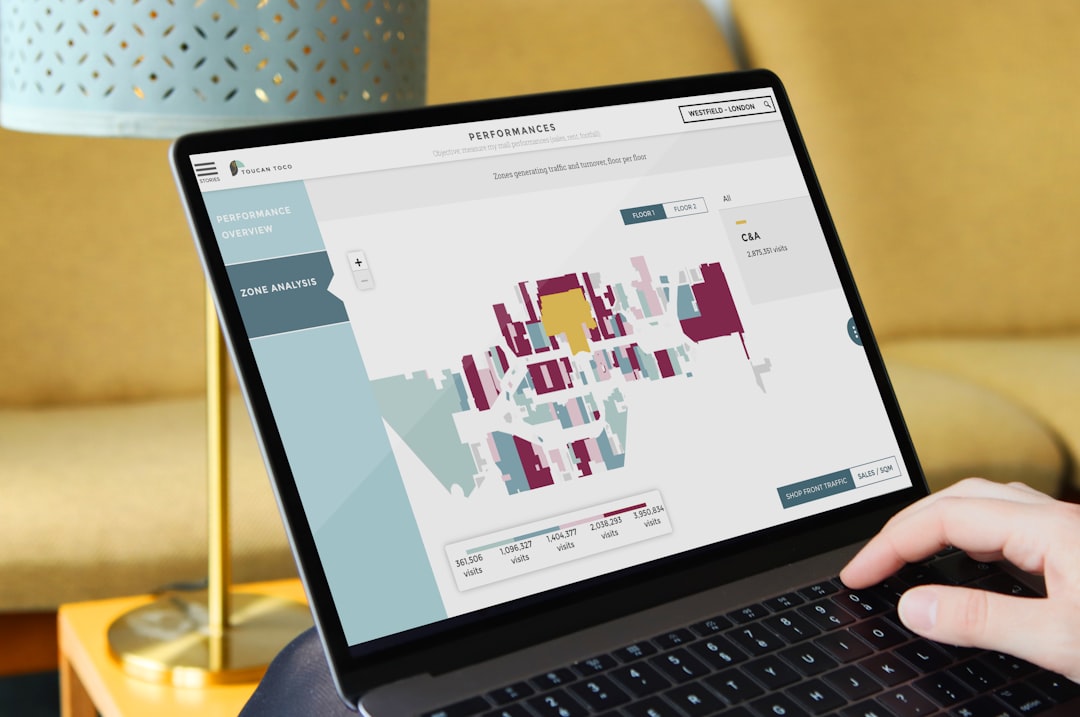
This unified architecture eliminates the fragmentation that often frustrates users. Instead of navigating multiple portals, patrons access books, articles, and multimedia content through a consistent interface.
Workflow Efficiency and Staff Productivity
Libraries operate under financial and staffing constraints. Efficient workflow automation enables institutions to maintain high-quality services without proportionally increasing personnel.
Key workflow improvements include:
- Automated acquisitions processing from vendor ordering to invoicing
- Integrated circulation modules with real-time updates
- Task management dashboards that track staff assignments
- Cloud updates that minimize internal IT maintenance
By consolidating these functions within a single system, duplicate data entry is eliminated. Staff members benefit from shared visibility into collection status, reducing miscommunication between departments.
Data-Driven Decision Making
A defining advantage of tools like Alma is their analytics capacity. Libraries generate extensive data on usage trends, acquisition costs, and patron engagement. Modern platforms transform this raw information into actionable insights.
Analytics dashboards allow administrators to:
- Evaluate cost-per-use for subscriptions
- Identify underutilized materials
- Support accreditation reporting with reliable metrics
- Forecast future budget needs
These reporting tools strengthen institutional accountability and provide evidence to justify funding requests.
Comparison of Leading Library Management Platforms
While Alma is widely adopted, other systems offer comparable capabilities. The following chart outlines key features of several prominent platforms:
| Platform | Deployment Model | Electronic Resource Management | Analytics Tools | Collaboration Network |
|---|---|---|---|---|
| Alma | Cloud based SaaS | Comprehensive integrated ERM | Advanced built in analytics | Extensive shared metadata community |
| WorldShare Management Services | Cloud based | Strong knowledge base integration | Customizable reporting | Global cooperative catalog network |
| FOLIO | Open source cloud ready | Modular ERM apps | Community developed analytics | Collaborative open development model |
| Sierra | Hosted or local | Add on ERM functionality | Standard reporting suite | Limited shared infrastructure |
Institutions typically evaluate these tools based on budget, collection size, existing infrastructure, and long-term strategic plans. However, cloud-native systems increasingly dominate due to their scalability and reduced maintenance costs.
Enhancing User Experience and Discovery
From the user perspective, the success of any library management system depends on discoverability. Even perfectly cataloged materials are ineffective if users cannot locate them intuitively.
Modern systems improve the user experience through:
- Faceted search filtering by format, subject, and availability
- Relevance ranking algorithms that prioritize useful results
- Personalized user accounts with saved searches and request options
- Mobile compatibility for on-the-go research
By integrating a discovery layer with backend cataloging data, systems like Alma ensure alignment between metadata quality and user interface performance.

Supporting Consortia and Resource Sharing
Many academic and public libraries now participate in regional or national consortia. Shared cataloging networks reduce redundant work and broaden access to specialized collections. Cloud-based management tools enable collaborative acquisition models and interlibrary loan optimization.
Shared infrastructure provides several strategic benefits:
- Reduced cataloging duplication
- Faster interlibrary lending workflows
- Collective bargaining power for electronic subscriptions
- Standardized metadata across institutions
This collaborative approach strengthens the overall information ecosystem while preserving local autonomy.
Security, Compliance, and Reliability
Data protection is central to modern library operations. Cloud-based platforms implement enterprise-grade security measures, including encrypted communications, role-based access controls, and regular system audits.
Compliance with data privacy regulations is increasingly important, particularly in academic settings. Reputable vendors provide documentation and ongoing updates to meet evolving legal standards.
Furthermore, service-level agreements ensure high uptime availability. Unlike locally hosted servers, cloud systems benefit from distributed infrastructure that minimizes service interruption risks.
Future Developments in Library Management
Looking ahead, artificial intelligence and linked data technologies promise further advancements in cataloging and access. Machine learning tools can recommend subject headings, identify duplicate records, and enhance semantic search capabilities.
Linked data frameworks aim to move beyond static MARC records toward interconnected knowledge graphs, making library metadata more visible on the open web. Library management systems are already evolving to support these innovations.
As research outputs diversify and digital scholarship expands, flexible platforms will remain essential for managing institutional repositories, open access publishing, and data preservation initiatives.
Conclusion
Library management tools like Alma represent a significant advancement in how libraries catalog, manage, and provide access to their collections. By unifying print and digital resource management, automating routine workflows, and delivering actionable analytics, these systems enhance both operational efficiency and user satisfaction.
For institutions seeking to remain relevant in an increasingly digital information landscape, investment in a comprehensive library services platform is not merely a technological upgrade. It is a strategic decision that strengthens discoverability, improves resource stewardship, and expands equitable access to knowledge for diverse communities.
In an era defined by information abundance, well-implemented library management systems ensure that high-quality, authoritative resources remain visible, accessible, and effectively organized for all who seek them.
