
Managing cash flow and staying aligned with long-term financial goals requires more than good intentions—it demands structure, reliable data, and the right digital infrastructure. In today’s fast-moving financial environment, individuals and businesses alike must rely on accurate forecasting, real-time tracking, and disciplined planning tools to remain financially healthy. Online finance tools have evolved significantly, offering powerful capabilities once reserved for accountants and financial analysts.
TLDR: Effective cash flow and financial goal management depends on using the right digital tools. Budgeting software, forecasting platforms, invoicing systems, expense trackers, investment dashboards, and financial planning apps provide structure and clarity. These tools improve visibility, automate routine tasks, and reduce financial risk. Choosing reliable, secure platforms can significantly strengthen both short-term cash management and long-term wealth building.
Below are six must-have online finance tools that provide the structure and insights necessary to manage cash flow responsibly and achieve financial objectives with confidence.
1. Comprehensive Budgeting Software
A solid budgeting system is the foundation of financial control. Without clearly understanding where money is coming from and where it is going, it becomes nearly impossible to manage cash flow effectively.
Modern budgeting tools offer:
- Automated transaction categorization
- Real-time balance updates
- Custom spending categories
- Alerts for unusual activity or overspending
- Monthly and annual financial summaries
These features help users shift from reactive financial behavior to proactive decision-making. Budgeting software eliminates guesswork and replaces it with data-backed clarity. For businesses, this means improved visibility on operating costs. For individuals, it ensures fixed and discretionary spending remains under control.
Ideally, a budgeting platform should sync securely with bank accounts, credit cards, and other financial accounts. The goal is to consolidate financial data into one centralized dashboard, reducing manual entry errors and saving time.
An effective budget does more than track expenses—it creates accountability and reinforces discipline, both of which are essential for consistent cash flow management.

2. Cash Flow Forecasting Tools
While budgeting tracks past and current transactions, forecasting tools focus on the future. Cash flow forecasting is critical because it identifies potential shortfalls before they occur, allowing corrective action ahead of time.
Forecasting platforms typically include:
- Projected income and expense modeling
- Scenario planning (best-case and worst-case projections)
- Seasonal cash flow analysis
- Customizable financial assumptions
- Integration with accounting systems
These tools are particularly valuable for small businesses, freelancers, and startups where revenue may fluctuate. A temporary revenue dip can quickly become a liquidity crisis if it is not anticipated.
For individuals, forecasting tools help map out major life events—buying property, funding education, planning retirement—without destabilizing daily finances. By visualizing future obligations and income streams, users gain confidence and improve decision-making accuracy.
Financial stability is rarely about how much money you earn; it is about how effectively you manage timing. Forecasting tools ensure that timing is predictable and manageable.
3. Online Invoicing and Accounts Receivable Platforms
Delayed income is one of the primary drivers of cash flow problems. Efficient invoicing tools help accelerate payment cycles and ensure revenue arrives consistently.
Modern invoicing systems provide:
- Automated invoice generation
- Recurring billing options
- Automatic payment reminders
- Multiple online payment methods
- Real-time accounts receivable tracking
Automation reduces manual administrative effort while improving professionalism and accuracy. Clear records of unpaid invoices strengthen negotiation positions and make follow-ups more systematic rather than reactive.
For business owners, understanding outstanding receivables is essential. High revenue means little if payments are significantly delayed. Monitoring these obligations ensures operating expenses can be covered without straining reserves.
Timely income collection strengthens liquidity, which in turn protects long-term strategic goals.

4. Expense Management and Receipt Tracking Apps
Unmonitored expenses slowly erode financial stability. Expense tracking tools provide detailed oversight and minimize leakage through undocumented or unnecessary spending.
Key functions typically include:
- Digital receipt scanning and storage
- Expense categorization
- Mileage tracking for travel
- Approval workflows for businesses
- Exportable tax-ready reports
For self-employed professionals, these tools simplify compliance and reduce stress during tax preparation. For larger organizations, they introduce transparency and accountability among team members.
Expense control directly influences cash flow. Even modest reductions in unnecessary expenditures compound over time, strengthening reserves and improving resilience against unforeseen financial disruptions.
A disciplined expense system ensures money is allocated intentionally rather than absorbed by fragmented, unnoticed costs.
5. Investment and Net Worth Tracking Platforms
Managing cash flow addresses immediate financial health, but building wealth requires long-term visibility. Investment tracking platforms consolidate financial accounts and provide a holistic view of net worth.
These platforms generally offer:
- Real-time portfolio performance tracking
- Asset allocation visualization
- Dividend and return analytics
- Risk exposure assessments
- Consolidated net worth calculations
For both individuals and business owners, understanding the broader financial picture prevents short-term decisions from compromising long-term goals. Seeing how savings, investments, liabilities, and assets interact promotes balanced decision-making.
Investment dashboards also support disciplined rebalancing. Emotional reactions to market fluctuations can damage financial strategies, but structured reporting reinforces rational adjustments based on measurable criteria.
True financial management extends beyond immediate liquidity. It requires continuous alignment between daily cash flow decisions and broader wealth-building objectives.
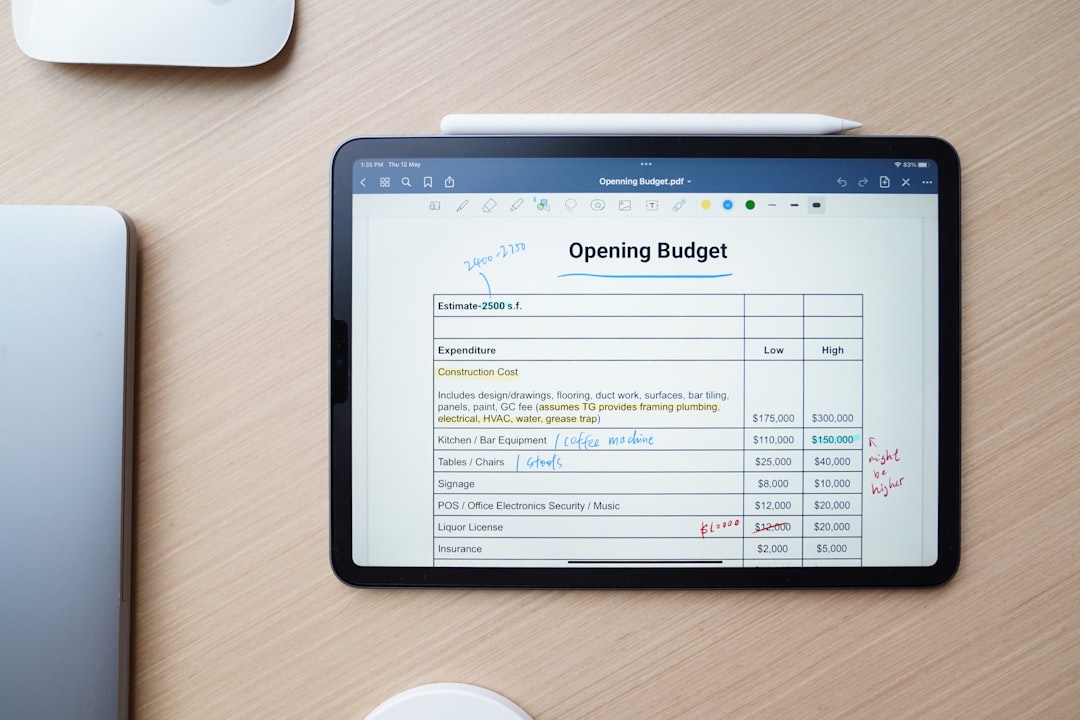
6. Goal-Oriented Financial Planning Applications
Financial goals provide direction and purpose. Without measurable objectives, even well-managed cash flow can lack strategic coherence.
Dedicated financial planning tools allow users to:
- Set short-, medium-, and long-term goals
- Track progress using visual indicators
- Create savings automation rules
- Model retirement and education scenarios
- Adjust plans as life circumstances evolve
Clear goal tracking reinforces motivation and fosters disciplined saving. Automation reduces reliance on willpower by transferring funds systematically into designated accounts.
For businesses, planning tools help structure expansion strategies, capital expenditure schedules, and reserve targets. Financial objectives then become measurable benchmarks rather than abstract ambitions.
Strategic planning transforms cash flow management from a defensive activity into a growth-oriented process.
Key Considerations When Choosing Finance Tools
Adopting multiple platforms requires thoughtful evaluation. Financial data is sensitive, and reliability is paramount. When selecting tools, prioritize the following:
- Security standards and encryption protocols
- Regulatory compliance where applicable
- User-friendly interfaces
- Integration with existing systems
- Transparent pricing structures
It is also important to avoid unnecessary complexity. The value of a finance tool lies in consistent usage. A sophisticated system that is rarely maintained will not produce meaningful improvements.
Comprehensive integration between budgeting, forecasting, expense management, and investment tracking ensures that all financial data remains interconnected. Fragmented systems often produce inconsistent insights and increase administrative workload.
Bringing It All Together
Cash flow and financial goals are not separate disciplines. They operate in continuous interaction. Managing incoming and outgoing funds establishes the stability required to pursue meaningful objectives, while clearly defined goals provide direction for daily financial decisions.
The six tools discussed—budgeting software, forecasting platforms, invoicing systems, expense trackers, investment dashboards, and goal-oriented planning applications—create a structured ecosystem. Together, they:
- Improve financial transparency
- Reduce administrative inefficiencies
- Strengthen liquidity management
- Enhance long-term wealth planning
- Support disciplined decision-making
Financial management should not rely on guesswork or fragmented spreadsheets. Structured digital tools promote accuracy, accountability, and foresight. By implementing these must-have online finance tools, individuals and businesses can establish tighter control over cash flow while steadily advancing toward their most important financial goals.
In a financial landscape defined by uncertainty and complexity, preparation and visibility are decisive advantages. The right tools transform financial management from a burden into a strategic asset—one that supports lasting stability and measurable progress.
