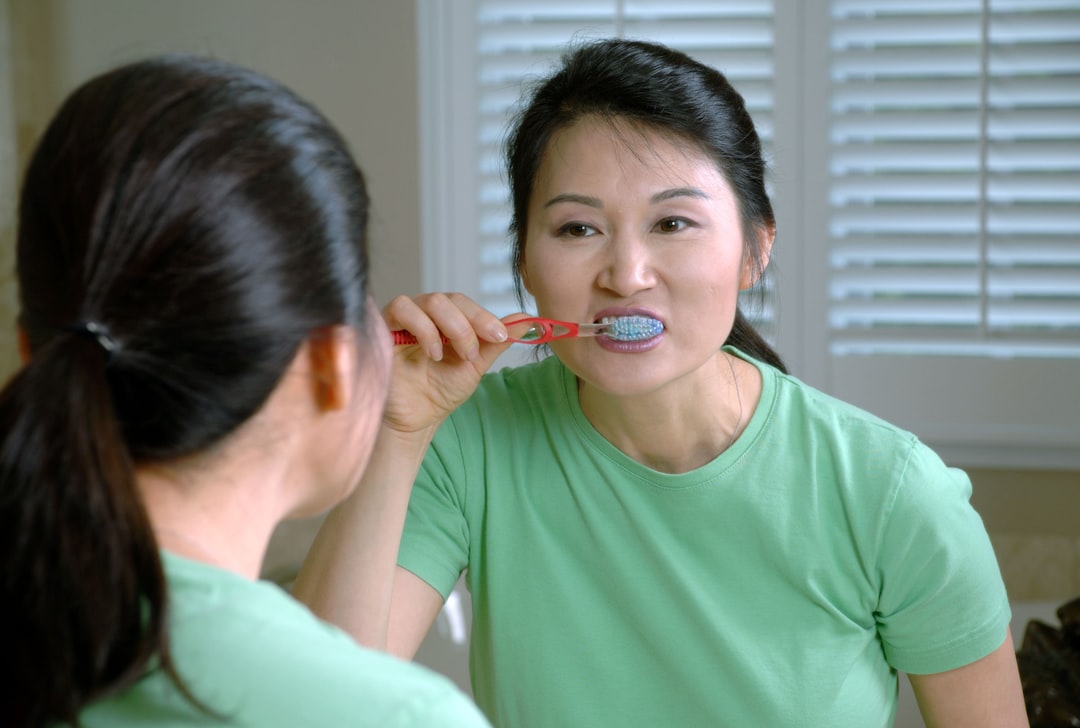
Your smile is often one of the first things people notice about you, but taking care of your teeth requires more than just a daily brush. Many individuals unknowingly make oral health mistakes that, over time, can seriously damage their teeth and gums. These errors, often committed with good intentions, may lead to enamel erosion, decay, or even gum disease. Understanding these common mistakes and correcting them can dramatically improve your long-term dental health.
TLDR:
Even with regular brushing and flossing, you may be unknowingly damaging your teeth. Common mistakes like brushing too hard, skipping dental appointments, or using harmful whitening products can lead to long-term issues. This article explores the top oral care errors and provides practical tips on how to fix them. Protect your smile by adjusting these everyday habits.
1. Brushing Too Hard
Many believe that scrubbing their teeth with force will clean them better, but aggressive brushing can actually wear down enamel and irritate gums. Your toothbrush should do the work—not your hand strength. Vigorous brushing often leads to gum recession, exposing sensitive root surfaces and increasing the risk of cavities and sensitivity.
What you should do:
- Use a soft-bristled toothbrush certified by dental professionals.
- Hold your brush at a 45-degree angle and make circular, gentle motions.
- Focus on being thorough rather than forceful.
2. Not Flossing or Flossing Incorrectly
Flossing is often overlooked or done improperly, and this omission allows plaque to accumulate between your teeth. Even the best toothbrush can’t reach the tight spaces between your teeth where bacteria thrive.
Common flossing mistakes include:
- Snapping the floss, which can injure your gums.
- Only flossing before a dentist visit.
- Using floss as an afterthought rather than a daily routine.
Correct technique: Gently guide the floss between teeth and curve it around each tooth in a C-shape. Slide it beneath the gumline and wipe each surface clean.
3. Using the Wrong Dental Products
Not all toothpastes and mouthwashes are created equal. Many people choose a product based on flavor or price rather than performance. Whitening pastes may contain abrasive agents that wear away enamel, while alcohol-based mouthwashes can lead to a dry mouth, contributing to bacteria buildup.
Recommendations:
- Choose fluoride toothpaste approved by dental associations.
- Use non-alcoholic mouthwash if you’re prone to dry mouth.
- Speak to your dentist about products tailored to your dental needs.
4. Skipping Regular Dental Visits
“If it doesn’t hurt, it doesn’t need attention” is a dangerous misconception. Cavities, gum disease, and even oral cancer often begin without noticeable symptoms. Your dentist has the tools to identify issues in their early stages when treatment is easier and less costly.
Aim to visit your dentist every six months, even if your mouth feels perfectly fine. Preventive care can save you from more complex procedures like root canals or tooth extractions in the future.
5. Consuming Too Much Sugar or Acidic Foods
It’s well-known that sugars contribute to cavities, but acidity also plays a sinister role in dental erosion. Even healthy items like citrus fruits and salads with vinegar can weaken your enamel over time.
To minimize damage from acidic or sugary foods:
- Rinse your mouth with water after consuming acidic beverages or snacks.
- Chew sugar-free gum to stimulate saliva, which neutralizes acids.
- Wait at least 30 minutes before brushing your teeth to avoid further enamel wear.

6. Constant Snacking
Frequent snacking keeps your mouth in a constant state of acid attack. Every time you eat, bacteria in the mouth feed on sugar and produce acids. If you snack all day, your mouth doesn’t have time to recover.
Smart habits:
- Stick to regular meal times and limit snacking in between.
- If you need a snack, choose raw vegetables or cheese, which are less harmful to teeth.
- Drink water frequently to rinse away food particles and acids.
7. Ignoring Signs of Oral Problems
Pain, bleeding gums, or bad breath are not “normal” occurrences—they’re signs that something may be wrong. Many people dismiss these warnings or rely on self-treatment, which may delay professional intervention and worsen the problem.
If you notice:
- Chronic bad breath
- Bleeding when brushing or flossing
- Tooth sensitivity or pain
- Receding gums
Contact your dentist as soon as possible. Early detection is key to effective treatment and preserving your oral health.
8. Using Teeth as Tools
Opening bottles, tearing packages, or chewing on pens may seem harmless, but these habits can cause microfractures or even break your teeth. Teeth are meant to bite and chew food—not perform mechanical tasks.
Solutions:
- Keep scissors or bottle openers handy for those tasks.
- Be mindful about nervous chewing on objects like pens or fingernails.
- If you grind your teeth (bruxism), consider a mouthguard at night.
9. Neglecting Your Tongue
Your tongue harbors millions of bacteria, yet it’s often forgotten in daily routines. Failing to clean it can lead to bad breath and even impact your taste perception over time.
Daily tongue cleaning tips:
- Use a tongue scraper or the back of your toothbrush to gently clean your tongue.
- Rinse well after scraping to remove bacteria and residues.
10. Relying on DIY Whitening Solutions
Desperate for a whiter smile, many turn to homemade remedies, like baking soda or lemon juice. While natural, these substances can be highly abrasive or acidic, leading to enamel wear and increased sensitivity.
Instead, consult a dental professional before starting any whitening treatment. There are safe, effective options that won’t compromise your tooth structure.
The Bottom Line
Good oral hygiene is about much more than brushing twice a day. Everyday habits—both good and bad—play a crucial role in your long-term dental health. Small changes, like brushing gently, being consistent with flossing, and visiting your dentist regularly, can go a long way in maintaining a healthy mouth. Remember, prevention is always better than cure—especially when it comes to your smile.
Your mouth can’t speak up when something is wrong—until it’s too late. By steering clear of these common oral health mistakes, you take control of your dental future and ensure your smile remains bright, strong, and pain-free for years to come.
