
Effective records management is critical for any organization aiming to maintain compliance, ensure operational continuity, and safeguard sensitive information. Regardless of whether records are in digital or physical format, managing them efficiently throughout their lifecycle is essential for reducing risks and improving organizational efficiency.
TL;DR
The lifecycle of a record includes creation, use, maintenance, and eventual disposal or archiving. Managing records through each phase requires clear policies, the use of appropriate technologies, and ongoing staff training. Legal compliance and risk mitigation are major incentives for proper records management. Integrating records management into everyday business processes ensures long-term effectiveness and security.
Understanding the Records Lifecycle
Records have a defined lifecycle that starts from their creation and extends to their eventual disposal or permanent archiving. Managing this lifecycle correctly ensures legal compliance, improves efficiency, and prevents data breaches.
The typical stages of the records lifecycle are:
- Creation or Receipt
- Classification
- Use and Maintenance
- Retention
- Disposition (Destruction or Archiving)
1. Creation or Receipt
The first step in the lifecycle is the creation or receipt of a record. This could be a contract drafted internally, an invoice received from a vendor, or an email that holds strategic value. It’s crucial to identify records as they come into existence so they can be handled appropriately from the start.
At this stage, it’s important to:
- Assign metadata such as date, creator, and document type
- Determine whether it’s an official record or a transitory document
- Ensure secure storage in designated systems
Records mismanaged during this phase are harder to locate later and are more likely to be misplaced or lost.

2. Classification
Classification involves organizing records into structured categories based on content, function, or business process. A standardized classification system enables efficient storage, retrieval, and application of retention policies.
To classify records effectively:
- Adopt a taxonomy or filing framework
- Label digital records using consistent naming conventions
- Use indexing tools and metadata for quick retrieval
Well-classified records also make it easier to track who accessed them, how often they are used, and when they are due for review or destruction.
3. Use and Maintenance
During the use and maintenance phase, records are actively referenced, edited, or updated. This is the operational part of the lifecycle where records are integral to business operations.
Best practices for maintenance include:
- Restricting access based on user roles
- Maintaining version control for documents
- Ensuring data integrity through regular backups
Organizations should also monitor usage patterns and keep audit trails to ensure that actions involving records are traceable and compliant with internal policies and regulations.
4. Retention
Retention involves storing records for a predetermined period based on legal, operational, or historical value. Retention schedules vary depending on jurisdiction, industry, and document type.
To implement a solid retention policy:
- Identify applicable regulatory and legal requirements
- Create and maintain a records retention schedule
- Periodically review and update retention policies
Retention schedules must be consistently applied to both digital and physical records to avoid premature destruction or unauthorized prolonged storage.
5. Disposition
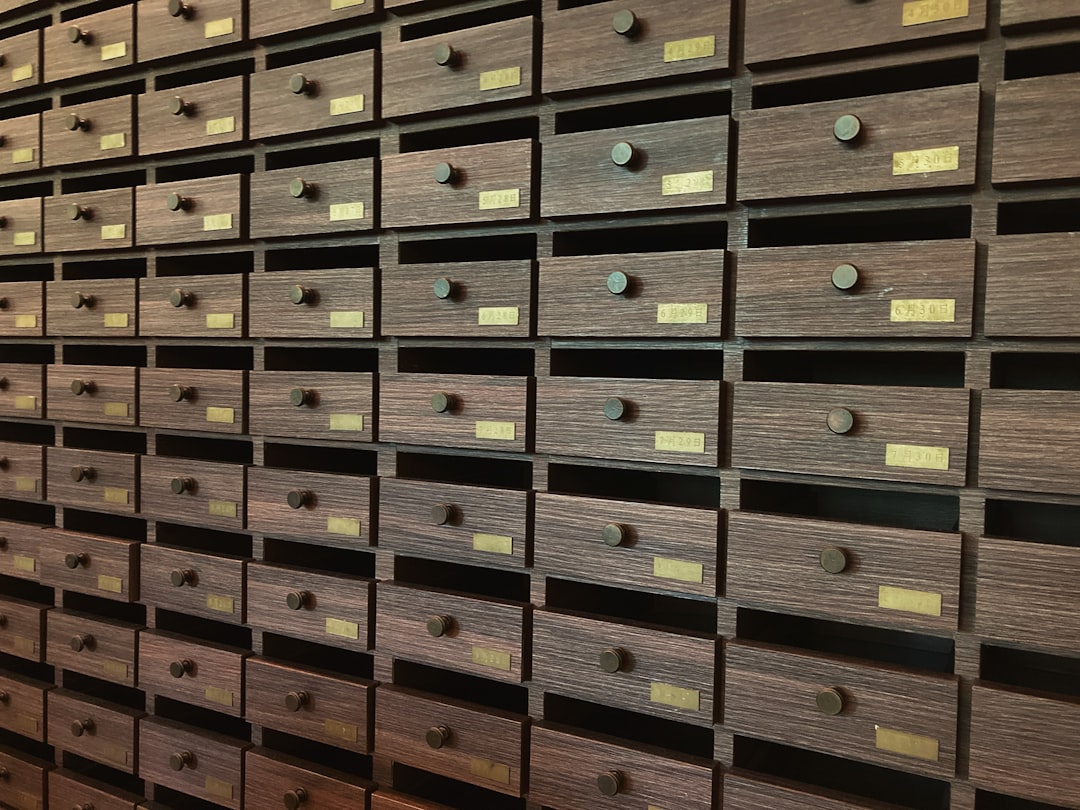
Disposition refers to the final phase of the records lifecycle—either destruction or permanent archiving. Proper disposition reduces legal risk and frees up resources.
Steps to manage this phase include:
- Automating destruction based on retention schedules
- Ensuring destruction is secure and irreversible (e.g., shredding, digital wiping)
- Archiving valuable records for historical or compliance purposes
Keep documented proof of disposition activities to demonstrate compliance during audits or legal proceedings.
Tools and Technologies for Records Management
Modern records management relies heavily on technology. Electronic Records Management Systems (ERMS) and Document Management Systems (DMS) streamline the lifecycle management process and ensure compliance.
Key features of records management systems include:
- Automated classification and indexing
- Access control and permission settings
- Real-time monitoring and audit logging
- Integration with other enterprise systems
Training staff to use these systems properly ensures that technology investments contribute meaningfully to records management goals.
Legal and Compliance Considerations
Records are often subject to regulatory, contractual, and legal obligations. Failing to manage records properly can expose an organization to fines, reputational damage, and legal disputes.
Organizations must stay compliant with laws such as:
- General Data Protection Regulation (GDPR)
- Health Insurance Portability and Accountability Act (HIPAA)
- Sarbanes-Oxley (SOX)
Maintaining a compliance calendar and having a designated compliance officer helps ensure that no legal obligations are overlooked.
The Role of Policies and Training
Policies are the foundation of an effective records management program. They set expectations, define roles, and ensure consistent practices organization-wide.
A robust records management policy should include:
- Roles and responsibilities for staff and departments
- Clear procedures for each phase of the records lifecycle
- Penalties for non-compliance
Training programs should accompany these policies to ensure every employee understands their responsibilities and the systems in place. Regular refreshers and updates can keep everyone informed as tools and rules evolve.

Risk Management and Security
Organizations must safeguard their records against unauthorized access, alteration, or loss. Cybersecurity measures and physical security protocols are both critical.
Key recommendations include:
- Implementing two-factor authentication for digital records
- Restricting physical access to sensitive storage areas
- Using encryption protocols for data in transit and at rest
Incident response plans should also be in place in case of data breaches, including notification procedures and mitigation strategies.
Conclusion
Effective records management is more than just organizing files—it is a comprehensive strategy that spans the entire records lifecycle. From the moment a record is created to its eventual disposal or transfer to an archive, every phase requires deliberate action and oversight.
Organizations that prioritize lifecycle records management will enjoy benefits such as regulatory compliance, cost savings, operational efficiency, and reduced risks. By leveraging proven technologies, establishing clear policies, and investing in employee training, you can build a records management strategy that supports long-term success.
