Hospitals are complex ecosystems where every role, from surgeons to janitors, plays a vital part in patient health and safety. Among these roles, one that often escapes the public eye—but is absolutely critical—is the job of a sterile processing technician. These professionals form the frontline in infection control, ensuring that every surgical instrument and medical device is clean, sterile, and safe for use. Despite being behind the scenes, their work has life-saving consequences.
TLDR: Sterile processing technicians ensure that all surgical tools and medical equipment are properly cleaned, disinfected, and sterilized. Their work prevents infections, cross-contamination, and surgical complications. Without them, hospitals would be unable to safely operate. They are an essential but often overlooked part of hospital safety infrastructure.
Understanding the Role of a Sterile Processing Technician
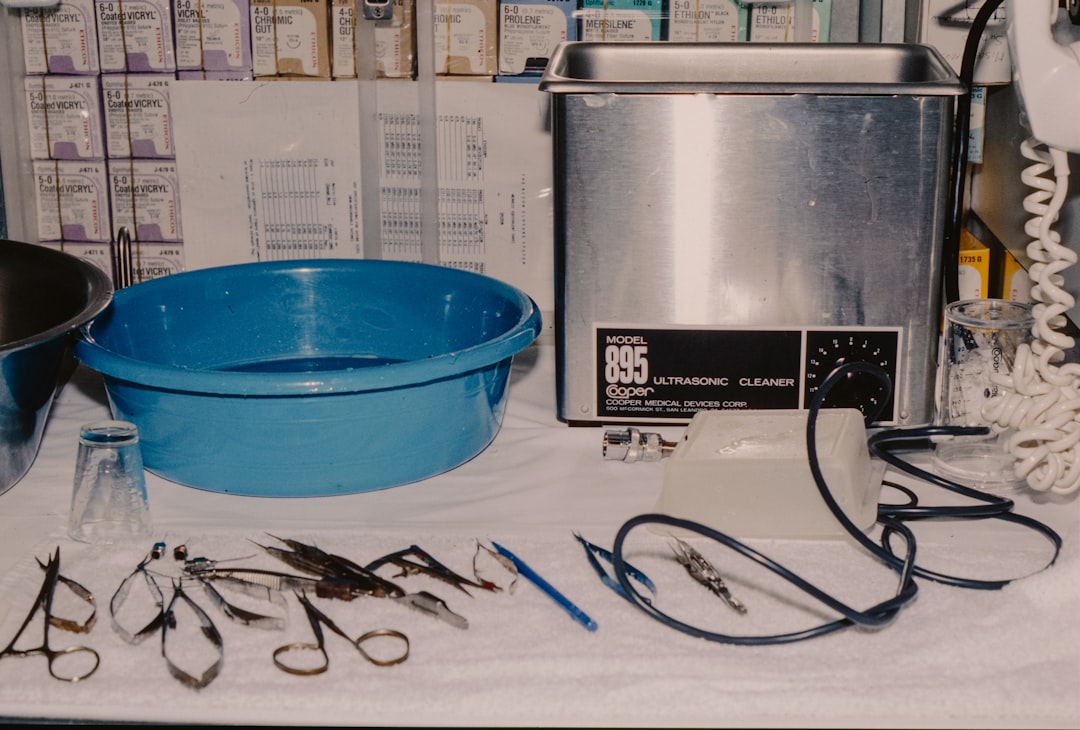
Sterile processing technicians (SPTs), sometimes called central service technicians, are responsible for the decontamination, inspection, packaging, sterilization, and distribution of surgical instruments and tools. Their role is positioned at a crucial junction—between hospital operations and infection control.
Key responsibilities include:
- Properly cleaning and disinfecting surgical instruments
- Sterilizing equipment using high-pressure steam autoclaves or chemical agents
- Ensuring surgical trays are complete and correctly assembled
- Tracking instrument usage and maintenance schedules
- Packaging and delivering sterile instruments to operating rooms
This position requires an in-depth understanding of microbiology, sterilization techniques, and medical equipment, as well as strict adherence to regulatory standards like those set forth by ANSI/AAMI, CDC, and OSHA.
Preventing Infections: The First Line of Defense
Hospital-acquired infections (HAIs) are a serious concern across healthcare settings. According to the Centers for Disease Control and Prevention (CDC), approximately 1 in 31 hospital patients has at least one healthcare-associated infection on any given day. Inadequately sterilized instruments are a prime vector for these infections.
Sterile processing technicians serve as the first line of defense in preventing such complications. By ensuring that every instrument meets strict sterilization criteria, they eliminate potential threats of bacterial and viral transmission between patients.
Examples of HAIs that sterile processing helps prevent include:
- Surgical site infections (SSIs)
- Bloodstream infections (BSIs)
- Catheter-associated urinary tract infections (CAUTIs)
- Ventilator-associated pneumonia (VAP)
Each of these infections can lead to prolonged hospital stays, increased healthcare costs, and in severe cases, death. The rigorous procedures followed by sterile processing personnel are not optional—they are lifesaving.
The Link Between Surgical Success and Sterile Instruments
Operating rooms rely on a precise choreography of equipment and personnel. Surgeons require a full kit of sterile, functioning instruments to ensure a successful operation. If even one instrument is missing or contaminated, the entire procedure can be compromised.
Sterile processing technicians ensure:
- All instruments in a surgical tray are accounted for and in optimal condition
- Each item is appropriately sterilized according to its material and usage
- Instruments are organized in such a way that the surgical team can work efficiently
Consider the potential impact of a single non-sterile scalpel being introduced during a cardiac procedure. The result could be a life-threatening infection, legal complications, and loss of trust in the institution. This type of avoidable error underscores the massive responsibility shouldered by sterile processing teams.
Regulatory Compliance and Legal Accountability
Hospitals and clinics operate under strict regulatory oversight. Governing bodies like The Joint Commission, the Food and Drug Administration (FDA), and the Centers for Medicare & Medicaid Services (CMS) assess facilities based in part on their disinfection and sterilization practices.
Failure to comply with sterilization protocols can result in:
- Fines and loss of accreditation
- Malpractice lawsuits
- Closure of facilities during audits and investigations
Sterile processing departments are frequently reviewed during hospital inspections, making their compliance record a critical factor in the facility’s overall performance. This adds another layer of importance to their work—they are not just preventing infections but supporting the entire hospital’s legal viability and reputation.
Training, Certifications, and Continued Education
The path to becoming a sterile processing technician requires specialized training. Most positions require completion of a certification program, and many employers prefer or mandate certification through organizations like the International Association of Healthcare Central Service Materiel Management (IAHCSMM) or the Certification Board for Sterile Processing and Distribution (CBSPD).
Examples of certifications include:
- Certified Registered Central Service Technician (CRCST)
- Certified Sterile Processing and Distribution Technician (CSPDT)
- Certified Instrument Specialist (CIS)
Re-certification and continuing education are also critical. Medical technology evolves rapidly, and technicians must stay up-to-date on new sterilization methods, devices, and safety standards to remain effective in their roles.
The Human Element: Mental Focus and Personal Responsibility
Perhaps what makes sterile processing work uniquely demanding is the mental fortitude it requires. The work is repetitive but requires flawless consistency. A lapse in attention—even something as minor as failing to properly clean a pair of forceps—can spell disaster.
Sterile processing techs must excel in:
- Attention to detail
- Time management
- Problem-solving skills
- Team communication
These health professionals must process hundreds of instruments daily under strict timelines, often in high-stress environments. Though rarely thanked by patients, they carry the weight of patient safety on their shoulders every day.
Future Demand and Job Security
The healthcare sector is expected to grow rapidly in the coming decades due to advances in medical technology, an aging population, and increased access to healthcare services. As a result, the demand for sterile processing technicians is also rising.
According to the United States Bureau of Labor Statistics, employment of medical equipment preparers, which includes sterile processing techs, is projected to grow significantly. Hospitals, clinics, outpatient surgery centers, and sterile processing outsourcing companies are all seeking trained professionals to keep pace with increased procedural load.
Where there’s healthcare, there’s a need for sterilization. This makes sterile processing a stable career path with opportunities for advancement into supervisory or educational roles, especially for those committed to excellence.
Conclusion: Silent Heroes in Scrubs
Sterile processing technicians are the unsung heroes behind every safe surgery and successful patient outcome. They don’t appear in operating theater photographs or give press interviews, but their impact is embedded in every clean scalpel, every infection-free recovery, and every saved life.
In a world where hospital safety is under constant scrutiny, it’s time to give proper recognition to the critical role these professionals play. As healthcare evolves, so too will the importance of sterile processing techs—guardians of cleanliness, safety, and patient trust.
