Food trucks have transformed urban dining, offering creative, affordable meals in dynamic locations. Yet one of the biggest challenges for customers remains simple: finding their favorite vendors when and where they are serving. While StreetFoodFinder is a popular tool for tracking mobile food businesses, it is far from the only option available. A growing number of food truck locator apps now help customers discover vendors, view schedules, browse menus, and even place orders in advance.
TLDR: Several reliable apps beyond StreetFoodFinder help customers track and discover food trucks in real time. Platforms such as Roaming Hunger, Best Food Trucks, and Yelp offer location-based searches, vendor details, and event listings. Some apps focus on pre-order functionality, while others emphasize local discovery and reviews. Choosing the right app depends on whether you value real-time tracking, curated events, or customer feedback the most.
Below are six trusted food truck apps that provide dependable, user-friendly ways to locate vendors and enhance the street food experience.
1. Roaming Hunger
Roaming Hunger is one of the most established platforms dedicated specifically to food trucks across the United States. It began as a booking and catering marketplace but has grown into a powerful discovery tool for customers.
Key features include:
- Real-time truck locations in major cities
- Comprehensive truck profiles with menus and photos
- Catering and private event booking capabilities
- City-based browsing for travelers
Unlike some apps that rely heavily on vendor updates, Roaming Hunger often aggregates scheduled appearances and major event listings. This makes it particularly useful for planning ahead rather than making last-minute dining decisions.
For customers who want a well-rounded view of their local food truck scene, including festivals and catered events, Roaming Hunger is a reliable choice.

2. Best Food Trucks
Best Food Trucks positions itself as both a promoter and a tech partner for vendors. For users, the advantage lies in accurate, frequently updated schedules and integrated ordering systems in select markets.
What distinguishes this app:
- Online ordering from participating vendors
- Clearly displayed weekly schedules
- Integration with local business parks and events
- Clean, easy-to-navigate interface
This app is particularly useful in cities where food trucks operate in coordinated lunch programs at office complexes and breweries. Customers can see which trucks are scheduled in recurring spots and even order in advance to reduce wait times.
For professionals seeking a dependable lunch option, Best Food Trucks offers strong practical value.
3. Yelp
Although not exclusively a food truck locator, Yelp has become an important tool for discovering mobile vendors. Many food trucks maintain active Yelp listings, complete with reviews, photos, and operating hours.
Yelp’s strengths include:
- User-generated reviews that build trust
- Robust search filters by cuisine and rating
- Mapping features integrated with navigation apps
- Real-time “open now” indicators (when updated)
Because Yelp’s data depends heavily on vendor and customer updates, the accuracy of live locations may vary. However, for assessing food quality, portion size, and service reputation, Yelp offers a depth of feedback that dedicated food truck apps may lack.
Customers who prioritize peer validation and detailed reviews often find Yelp indispensable.
4. Truckster
Truckster is a streamlined mobile app focused exclusively on food truck tracking. It emphasizes speed and simplicity, making it especially effective for quick searches during lunch breaks or spontaneous outings.
Notable features include:
- GPS-based truck discovery
- Vendor schedule tracking
- Push notifications for favorite trucks
- Map-centered browsing interface
Truckster relies heavily on vendor participation to maintain updated information. In cities with strong adoption, it provides precise and reliable tracking. Its straightforward design avoids unnecessary clutter, which appeals to users looking for a no-frills locator tool.
5. StreetEats
StreetEats (available in select metropolitan markets) caters to customers interested in curated street food events rather than simply day-to-day truck locations.
Core strengths include:
- Listings for food truck festivals and markets
- Vendor lineups for specific events
- Ticketing integration for paid gatherings
- Event reminders and notifications
This platform works particularly well for families and food enthusiasts planning weekend outings. Instead of tracking a single truck, users can browse organized events showcasing multiple vendors in one place.
If your goal is to experience variety and discover new cuisines, event-focused apps like StreetEats provide unique value.
6. Google Maps
While often overlooked in this context, Google Maps has become a powerful tool for locating food trucks. Many vendors update their business profiles with daily locations and hours.
Advantages include:
- Real-time navigation integration
- Busy times and visit trends data
- Photo uploads from customers
- Direct links to social media or websites
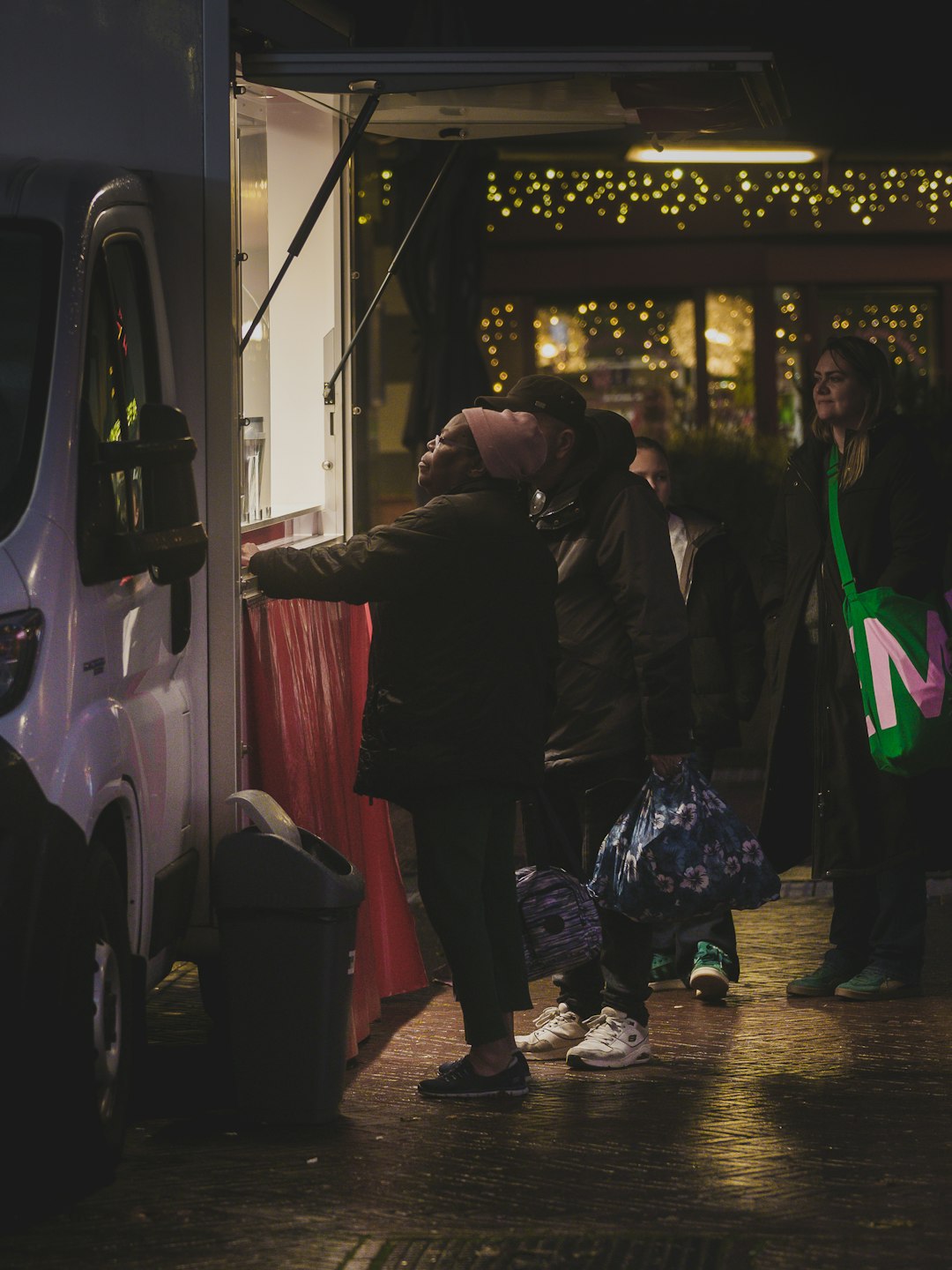
The primary benefit is convenience. Most users already rely on Google Maps for navigation, making it easy to search “food truck near me” and receive results instantly. However, like Yelp, the system depends on vendors accurately updating their locations.
For customers who prefer an all-in-one navigation platform, Google Maps offers surprising utility in the food truck space.
Comparison Chart
| App | Real-Time Tracking | Reviews & Ratings | Online Ordering | Event Listings | Best For |
|---|---|---|---|---|---|
| Roaming Hunger | Yes | Limited | No | Yes | City-wide discovery & planning |
| Best Food Trucks | Yes | Limited | Yes (select markets) | Yes | Office lunch & scheduled stops |
| Yelp | Partial | Extensive | Sometimes | No | Quality validation & reviews |
| Truckster | Yes | Limited | No | Limited | Quick GPS-based searches |
| StreetEats | No (event-focused) | Varies | Event ticketing | Yes | Festivals & curated gatherings |
| Google Maps | Partial | Extensive | No | No | Integrated navigation |
How to Choose the Right Food Truck App
Selecting the most suitable food truck locator depends on your specific needs. Consider the following factors:
- Reliability of updates: Apps with strong vendor participation provide more accurate real-time data.
- Geographic coverage: Some platforms excel in large metropolitan areas but offer limited functionality elsewhere.
- Ordering capability: If minimizing wait times matters to you, prioritize apps that enable advance orders.
- Community validation: For quality assurance, choose apps with substantial review ecosystems.
- Event integration: If you enjoy festivals or markets, look for platforms highlighting curated gatherings.
No single app dominates every category. Many customers use more than one service to gather information before deciding where to eat.
The Growing Role of Technology in Street Food Culture
The rise of food truck apps reflects a broader evolution in mobile commerce and urban dining. GPS tracking, push notifications, and integrated ordering systems have transformed how customers interact with street vendors. Instead of relying on social media posts or word-of-mouth updates, diners now expect real-time information at their fingertips.
This digital shift also benefits vendors. Accurate listings and discoverability increase foot traffic, while pre-order systems reduce congestion during peak hours. In turn, customers experience shorter waits and greater confidence in finding their preferred cuisine.
As food trucks continue expanding into suburban areas, corporate campuses, and large-scale festivals, locator apps will likely grow more sophisticated. Future innovations may include live inventory tracking, predictive location scheduling based on traffic patterns, and enhanced loyalty programs.
Final Thoughts
StreetFoodFinder remains a respected name in food truck discovery, but it is not the only credible option available. Platforms like Roaming Hunger and Best Food Trucks provide specialized tracking and scheduling tools, while Yelp and Google Maps deliver indispensable customer feedback and navigation support. Meanwhile, apps such as Truckster and StreetEats focus on quick searches and curated event experiences.
For customers who value convenience, transparency, and variety, exploring multiple apps can significantly enhance the street food experience. With the right digital tools, locating your favorite taco truck, barbecue trailer, or gourmet dessert van becomes not just easier — but part of the enjoyment itself.
In a marketplace defined by mobility and spontaneity, dependable technology ensures that great food is never out of reach.
