Design teams move fast, and the tools they rely on must move even faster. While Figma remains a dominant force in UI and collaborative design, many product teams are exploring alternatives that prioritize rapid prototyping, usability testing, and streamlined feedback loops. Whether due to pricing, specific workflow needs, or feature preferences, these tools offer compelling solutions for designers who want to validate ideas quickly and iterate efficiently.
TLDR: Several powerful alternatives to Figma specialize in fast prototyping and UX testing. Tools like Adobe XD, Axure RP, Proto.io, Balsamiq, Marvel, and UXPin offer various strengths, from advanced interactions to low-fidelity wireframing and built-in usability testing. Each tool supports different stages of the design process, making them suitable for startups, enterprises, and solo designers alike. Choosing the right one depends on project complexity, collaboration needs, and testing requirements.
Why Look Beyond Figma?
Although Figma excels in collaboration and interface design, some teams need more specialized rapid testing features, offline functionality, or simplified workflows for early-stage ideation. Others seek tools that focus heavily on interactive prototyping or provide dedicated UX research integrations. The following six alternatives emphasize speed, validation, and usability-first development.
1. Adobe XD
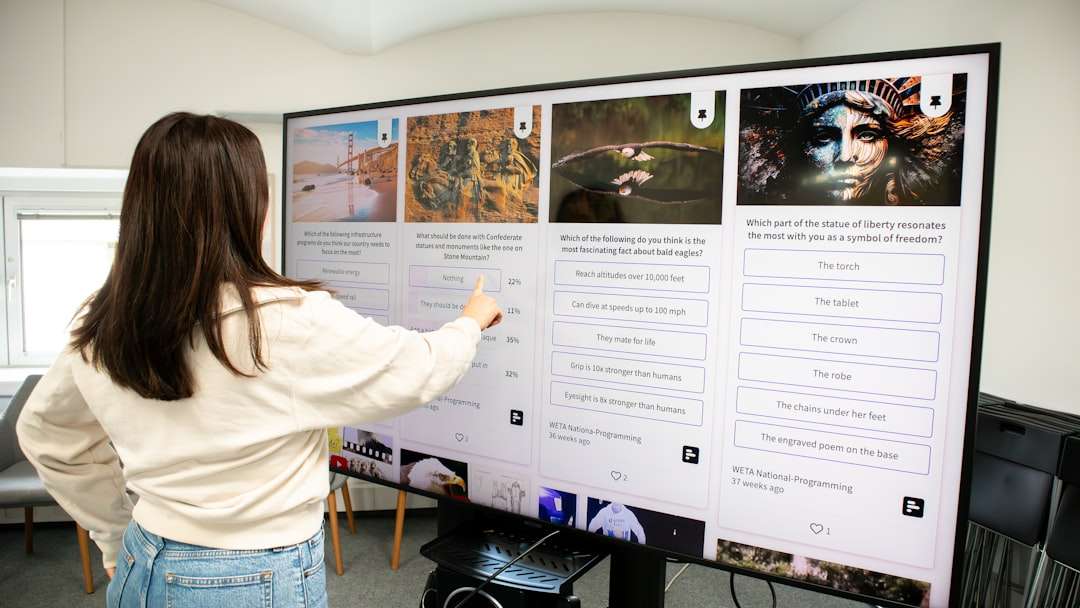
Adobe XD is a well-established prototyping tool tailored for designers working within the Adobe ecosystem. It combines interface design, interactive prototyping, and basic usability testing features.
Key Strengths:
- Intuitive drag-and-drop interface
- Smooth integration with Photoshop and Illustrator
- Voice prototyping capabilities
- Auto-animate transitions for microinteractions
Adobe XD is especially useful for teams already leveraging Creative Cloud. Its sharing features make it easy to distribute clickable prototypes to stakeholders for feedback. While it may lack some of Figma’s browser-based collaboration fluidity, it excels in polished interaction design.
2. Axure RP
Axure RP is known for its powerful, logic-driven prototyping capabilities. It is ideal for complex applications requiring conditional interactions and dynamic content.
Key Strengths:
- Advanced conditional logic
- Dynamic panels
- Built-in documentation tools
- Robust UX specification output
Unlike lightweight prototyping tools, Axure shines in enterprise environments where detailed wireframes and structured documentation are essential. Designers can simulate realistic user flows, making it perfect for testing feature-heavy platforms like SaaS dashboards or enterprise systems.
3. Proto.io
Proto.io is a web-based prototyping tool focused almost exclusively on high-fidelity interactive prototypes without requiring code.
Key Strengths:
- Extensive UI component library
- Realistic animations and gestures
- User testing integrations
- No coding required
What distinguishes Proto.io is its emphasis on realistic app simulation. Teams can build prototypes that closely mirror native app behavior, making user testing more accurate and actionable. This makes it particularly valuable for mobile-first startups.
4. Balsamiq
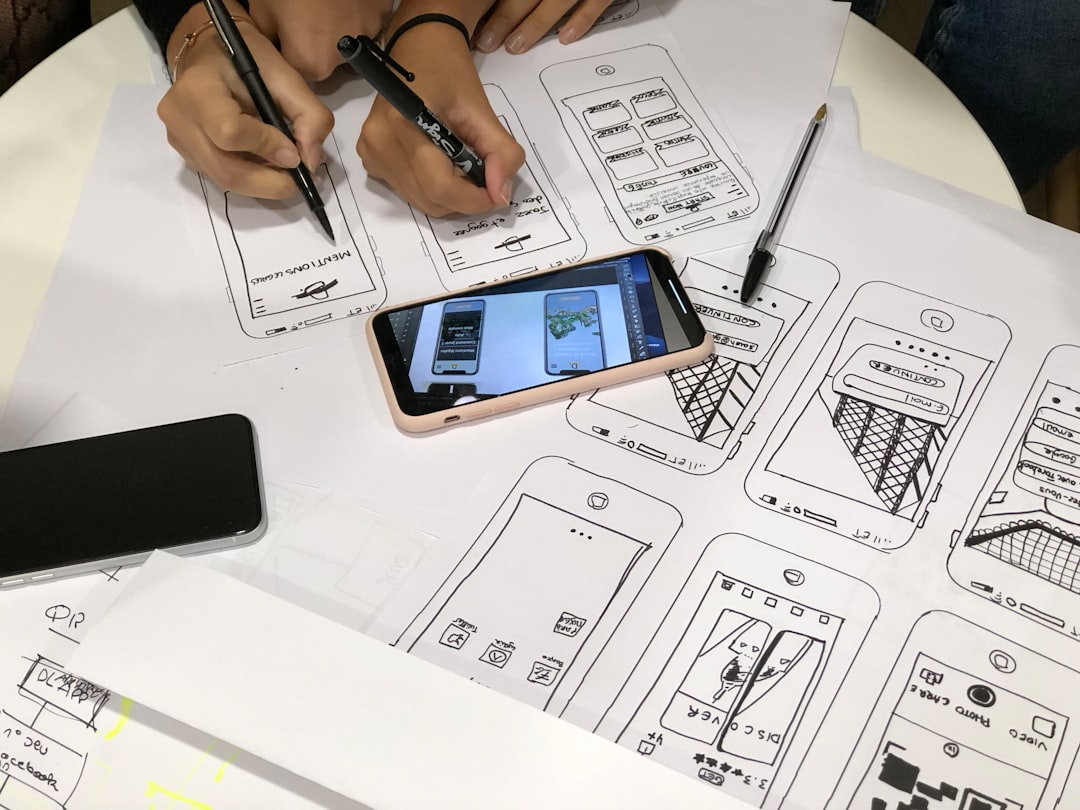
Balsamiq takes a completely different approach by focusing on low-fidelity wireframing. Instead of polished interfaces, it helps teams brainstorm and iterate on layout concepts quickly.
Key Strengths:
- Ultra-fast wireframe creation
- Sketch-style UI components
- Encourages feedback on structure, not visuals
- Beginner-friendly interface
Because of its intentionally rough appearance, stakeholders are more likely to focus on usability and layout rather than colors or fonts. For early-stage ideation and sprint planning, Balsamiq enables rapid validation before high-fidelity work begins.
5. Marvel
Marvel combines prototyping, collaboration, and user testing into a single streamlined platform. It caters especially well to startups and lean product teams.
Key Strengths:
- Quick link-based prototyping
- Built-in user testing tools
- Developer handoff features
- Simple onboarding process
Marvel’s integrated user testing functionality allows teams to record user interactions and collect feedback directly within the platform. This reduces the need for external usability testing software and accelerates iteration cycles.
6. UXPin
UXPin bridges the gap between design and development by supporting advanced interactivity and design systems integration.

Key Strengths:
- Advanced interactive states
- Design systems management
- Code-based components integration
- Accessibility-focused tools
UXPin is ideal for teams that want prototypes to closely mirror the final product’s functionality. Its ability to incorporate real code components reduces discrepancies between design mockups and development builds, making it a strong choice for mature product teams.
Comparison Chart
| Tool | Best For | Fidelity Level | UX Testing Features | Complex Interactions | Ease of Use |
|---|---|---|---|---|---|
| Adobe XD | Creative Cloud users | High | Prototype sharing | Moderate | High |
| Axure RP | Enterprise systems | Medium to High | Scenario-based testing | Advanced | Moderate |
| Proto.io | Mobile app prototypes | High | User testing integrations | High | High |
| Balsamiq | Early-stage wireframes | Low | Concept validation | Basic | Very High |
| Marvel | Startups and lean teams | Medium to High | Built-in user testing | Moderate | Very High |
| UXPin | Design systems teams | High | Usability validation | Advanced | Moderate |
How to Choose the Right Tool
Selecting the best alternative depends heavily on the product stage and team structure. Early ideation phases benefit from low-fidelity tools like Balsamiq, while feature-heavy platforms demand Axure RP’s logical depth. Mobile product teams might lean toward Proto.io, whereas collaborative startup environments may prefer Marvel.
Teams should evaluate:
- Speed of iteration: How quickly can ideas become clickable prototypes?
- User testing integration: Are testing tools built in or external?
- Learning curve: Can stakeholders adopt the platform easily?
- Collaboration needs: Does it support remote or cross-functional teams?
- Design-to-development handoff: How seamless is the transition?
Ultimately, rapid prototyping is not about polish—it is about learning quickly. The best alternative is the one that removes friction between idea, feedback, and refinement.
Final Thoughts
While Figma remains a powerhouse in UI collaboration, it is far from the only solution for designers focused on speed and usability validation. Adobe XD offers familiarity for Creative Cloud users. Axure RP excels in complex logic flows. Proto.io enables highly realistic mobile simulations. Balsamiq supports quick ideation. Marvel integrates fast user testing. UXPin brings development-grade precision to prototypes.
Each tool approaches rapid prototyping from a unique angle, proving that the design landscape is rich with options. For teams determined to ship better products faster, exploring these Figma alternatives could lead to improved workflows, deeper user insights, and more confident product decisions.
FAQ
1. Are these tools suitable for beginners?
Yes, some are extremely beginner-friendly. Balsamiq and Marvel are particularly accessible, while Axure RP and UXPin may require more experience due to advanced features.
2. Which alternative is best for mobile app prototyping?
Proto.io stands out for mobile-first prototyping because of its realistic gestures, animations, and device simulations.
3. Can these tools replace Figma entirely?
They can, depending on team needs. However, some teams may prefer using them alongside Figma to handle specialized prototyping or UX testing tasks.
4. Which tool is best for enterprise-level applications?
Axure RP is often the preferred choice for enterprise environments that require advanced logic, documentation, and complex user flows.
5. Do any of these tools include built-in user testing?
Yes. Marvel and Proto.io offer integrated user testing capabilities, enabling teams to gather usability insights without external software.
6. What is the fastest tool for wireframing ideas?
Balsamiq is widely considered one of the fastest wireframing tools due to its simple interface and sketch-style components.
