Product teams live in data. Every click. Every scroll. Every tap. It all tells a story. Tools like Mixpanel help turn that story into insight. But Mixpanel is not the only player in town. There are many cloud analytics tools that can help you understand users, improve retention, and grow faster.
TLDR: Mixpanel is great, but it is not your only option. Tools like Amplitude, Heap, PostHog, Pendo, Kissmetrics, and Google Analytics 4 offer powerful product analytics features. Some focus on deep behavioral insights. Others shine in user onboarding or pricing flexibility. The best choice depends on your team size, goals, and budget.
Let’s explore six cloud analytics tools that product teams love. We will keep it simple. And maybe even a little fun.
1. Amplitude
If Mixpanel had a close cousin, it would be Amplitude. This tool is built for product teams that care deeply about user behavior.
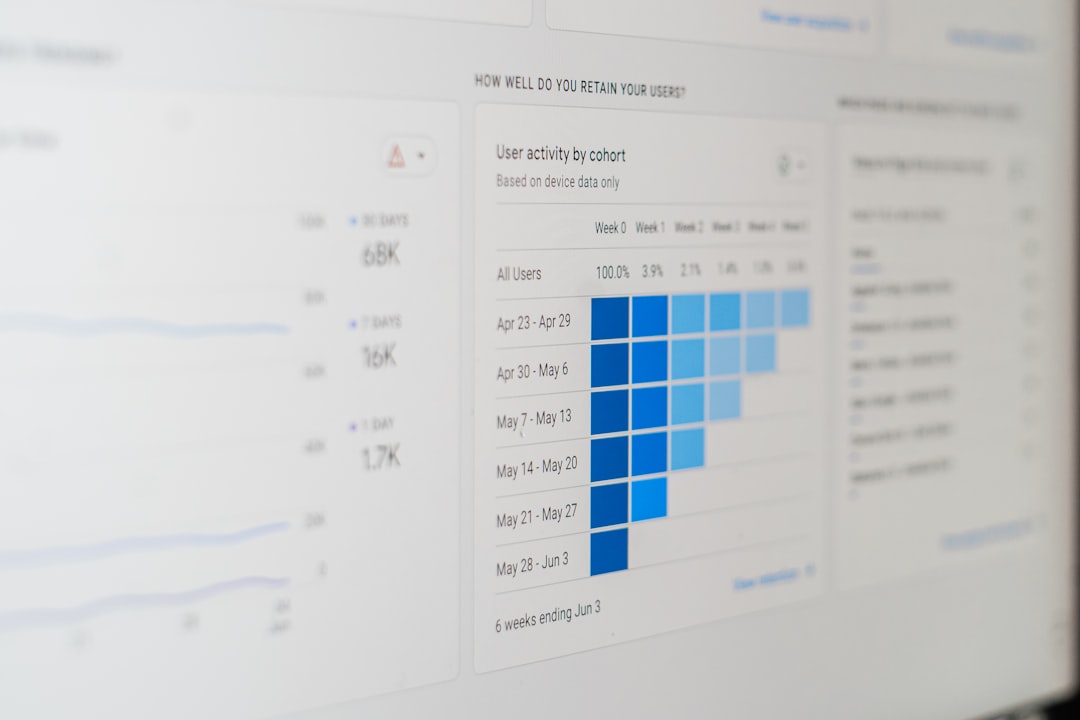
Amplitude helps you answer big questions:
- Why are users dropping off?
- What actions lead to retention?
- Which features drive revenue?
Top features:
- Advanced funnel analysis
- Cohort tracking
- Behavioral segmentation
- Retention charts
- Predictive analytics
Amplitude is known for deep insights. It can handle complex data. It is powerful but still user-friendly. Large enterprises love it. Growing startups use it too.
Best for: Teams that want detailed behavioral insights and strong experimentation tools.
2. Heap
Heap has a simple promise. It automatically captures everything. Every click. Every form submission. Every pageview.
That means no need to define events ahead of time. You can go back in time and analyze past data. That is a huge win.
Top features:
- Automatic event tracking
- Retroactive analysis
- Funnels and journeys
- User segmentation
- Data governance tools
Heap is less manual. That saves developers time. Product managers can explore data on their own.
Best for: Teams that want easy setup and minimal engineering work.
3. PostHog
PostHog is different. It started as an open-source tool. That means developers can customize it deeply.

It offers cloud hosting. But you can also self-host it. That is great for companies that care about data privacy.
Top features:
- Product analytics
- Session recordings
- Feature flags
- A/B testing
- Heatmaps
PostHog combines several tools into one platform. You do not need separate tools for experiments and session replay. It is all there.
Best for: Technical teams that want flexibility and control.
4. Pendo
Pendo is not just about analytics. It mixes analytics with in-app guidance.
You can track behavior. But you can also create tooltips, walkthroughs, and onboarding flows. All without coding.
Top features:
- Product usage analytics
- In-app guides
- User feedback polls
- NPS surveys
- Roadmap planning
This makes Pendo popular with product and customer success teams. You can see what users do. Then guide them instantly.
Best for: SaaS companies that want analytics plus onboarding.
5. Kissmetrics
Kissmetrics focuses heavily on revenue and customer behavior. It connects actions to money.
This tool is strong in tracking user journeys across time. From first visit to subscription. And beyond.
Top features:
- Revenue tracking
- Customer lifecycle reports
- Email campaign insights
- Funnel optimization
- Cohort analysis
Kissmetrics is simple. But powerful. Especially for subscription-based businesses.
Best for: E-commerce and SaaS teams focused on revenue metrics.
6. Google Analytics 4 (GA4)
Google Analytics 4 is the evolution of traditional web analytics. It is event-based. Just like Mixpanel.
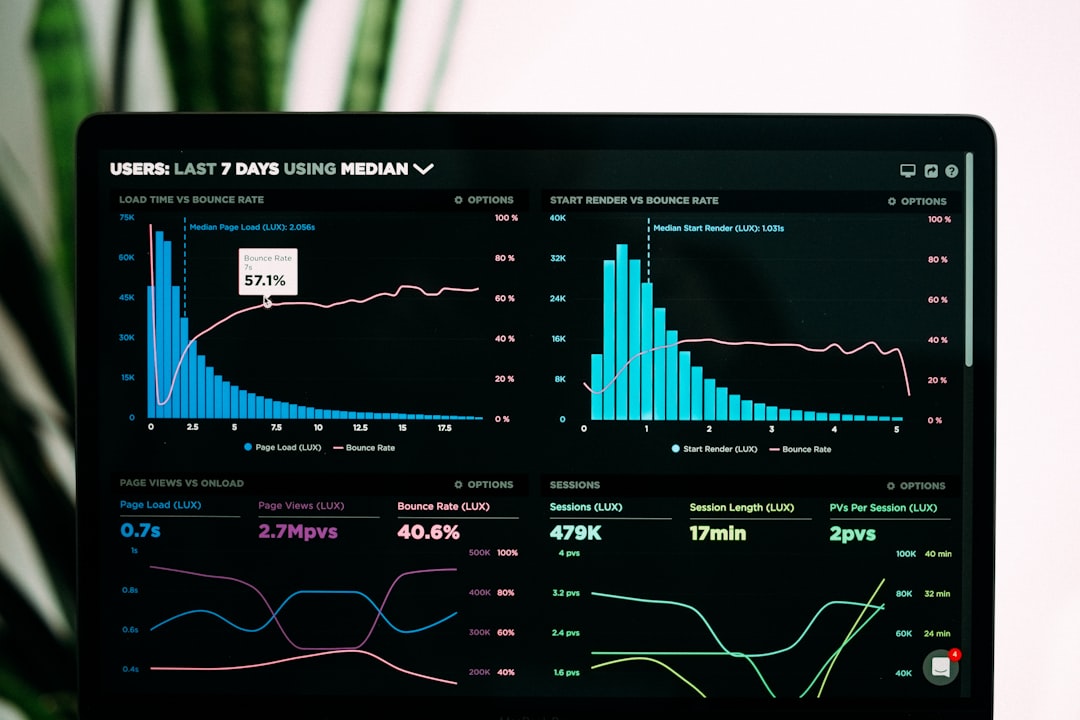
GA4 is free. That makes it attractive. But it also has a learning curve.
Top features:
- Cross-platform tracking
- Event-based model
- Predictive metrics
- Deep integration with Google Ads
- Custom exploration reports
While GA4 started as a marketing tool, it is now stepping into product analytics. It may not be as product-focused as Amplitude. But it is improving fast.
Best for: Teams that want a free and flexible analytics solution.
Quick Comparison Chart
| Tool | Ease of Setup | Advanced Analytics | In-App Guides | Best For |
|---|---|---|---|---|
| Amplitude | Medium | Excellent | No | Deep behavioral insights |
| Heap | Easy | Very Good | No | Automatic tracking |
| PostHog | Medium | Very Good | No | Developer flexibility |
| Pendo | Medium | Good | Yes | Onboarding and guidance |
| Kissmetrics | Easy | Good | No | Revenue tracking |
| GA4 | Medium | Good | No | Free, cross-platform tracking |
How to Choose the Right Tool
Picking a cloud analytics tool is not about features alone. It is about fit.
Ask yourself:
- Do we need deep behavioral analysis?
- Do we want automatic data capture?
- Is privacy or self-hosting important?
- Do we want onboarding built in?
- What is our budget?
A startup with two developers might love Heap. A large SaaS company may prefer Amplitude. A privacy-first tech company may lean toward PostHog.
There is no single winner. There is only the best tool for your team.
Why Product Analytics Matters
Let’s zoom out for a moment.
Product analytics is not about charts. It is about understanding people.
Why did a user leave? Why did another upgrade? What makes someone fall in love with your app?
Data answers those questions. When used well, it helps teams:
- Improve onboarding
- Increase retention
- Reduce churn
- Launch better features
- Grow revenue
Without analytics, decisions are guesses. With analytics, decisions are informed bets.
Cloud-Based Is the Future
All the tools listed here are cloud-based. That means:
- No heavy infrastructure
- Fast setup
- Easy scaling
- Remote access
Your team can check dashboards from anywhere. Office. Home. Coffee shop.
Cloud tools also update often. New features roll out automatically. Security patches happen behind the scenes.
Life becomes simpler.
Final Thoughts
Mixpanel is powerful. But it is just one option.
Amplitude goes deep. Heap keeps it easy. PostHog gives control. Pendo guides users. Kissmetrics ties behavior to revenue. GA4 keeps things affordable.
Each tool has strengths. Each has trade-offs.
The best way to choose? Start with your goals. Think about your team. Try demos. Play with dashboards. See what feels natural.
Remember. Analytics should make your life easier. Not harder.
When you find the right fit, data stops being noise. It becomes clarity. And that clarity helps you build products users truly love.
